High-Purity Solvents, Polyurethane (PU) and Resin

Phthalic Anhydride (PA)

Phthalic Anhydride (PA), identified by CAS number 85-44-9, is a critical organic intermediate and the cyclic anhydride of phthalic acid. Historically it was produced via the oxidation of naphthalene; however, modern industrial synthesis predominantly utilizes the catalytic vapor-phase oxidation of ortho-xylene. Physically, it appears as white, lustrous crystalline flakes or needles with a characteristic pungent odor. In industrial settings, it is frequently handled in molten form to streamline large-scale chemical processing.

As a bifunctional monomer, Phthalic Anhydride is a cornerstone of the petrochemical industry, serving as a versatile building block for various polymers and specialty chemicals. Its primary value lies in its ability to undergo rapid esterification and condensation reactions. It is the fundamental precursor for the production of phthalate plasticizers, unsaturated polyester resins (UPR), and alkyd resins. While indispensable to modern manufacturing, it is classified as a potent skin and respiratory sensitizer, requiring stringent safety protocols and controlled exposure limits during handling and transport.

Attributes

Key Features and Benefits

  • High Chemical Reactivity: The strained cyclic anhydride ring allows for efficient ring-opening reactions, facilitating the rapid synthesis of esters and imides.
  • Structural Rigidity: Provides essential mechanical strength and hardness to polymer matrices, particularly in thermosetting resins.
  • Economic Scalability: Benefiting from mature o-xylene oxidation technology, it offers a cost-effective solution for high-volume polymer production.
  • Processing Versatility: Available in both flake and molten forms, allowing manufacturers to choose the most efficient state for their specific heat-integration requirements.
  • Enhanced Durability: Imparts excellent UV resistance, weatherability, and chemical stability to finished coatings and glass-fiber reinforced plastics.
Specifications

Technical Highlights

  • Molecular Formula: $C_8H_4O_3$
  • Molecular Weight: 148.12 g/mol
  • Melting Point: 131.1°C (268°F); the substance sublimes readily below its melting point.
  • Boiling Point: 284°C (543°F) at 760 mmHg.
  • Density: 1.53 g/cm³ at 20°C (solid state).
  • Solubility: Sparingly soluble in cold water (hydrolyzes to phthalic acid); highly soluble in alcohol, carbon disulfide, and hot water.
  • Flash Point: 152°C (305.6°F) Closed Cup.
  • Purity Standards: Commercial technical grades typically exceed 99.7% purity with minimal maleic anhydride content.
  • Vapor Pressure: 0.001 mmHg at 20°C.

Download Technical Data Sheet (TDS)

Practical industry uses

Applications

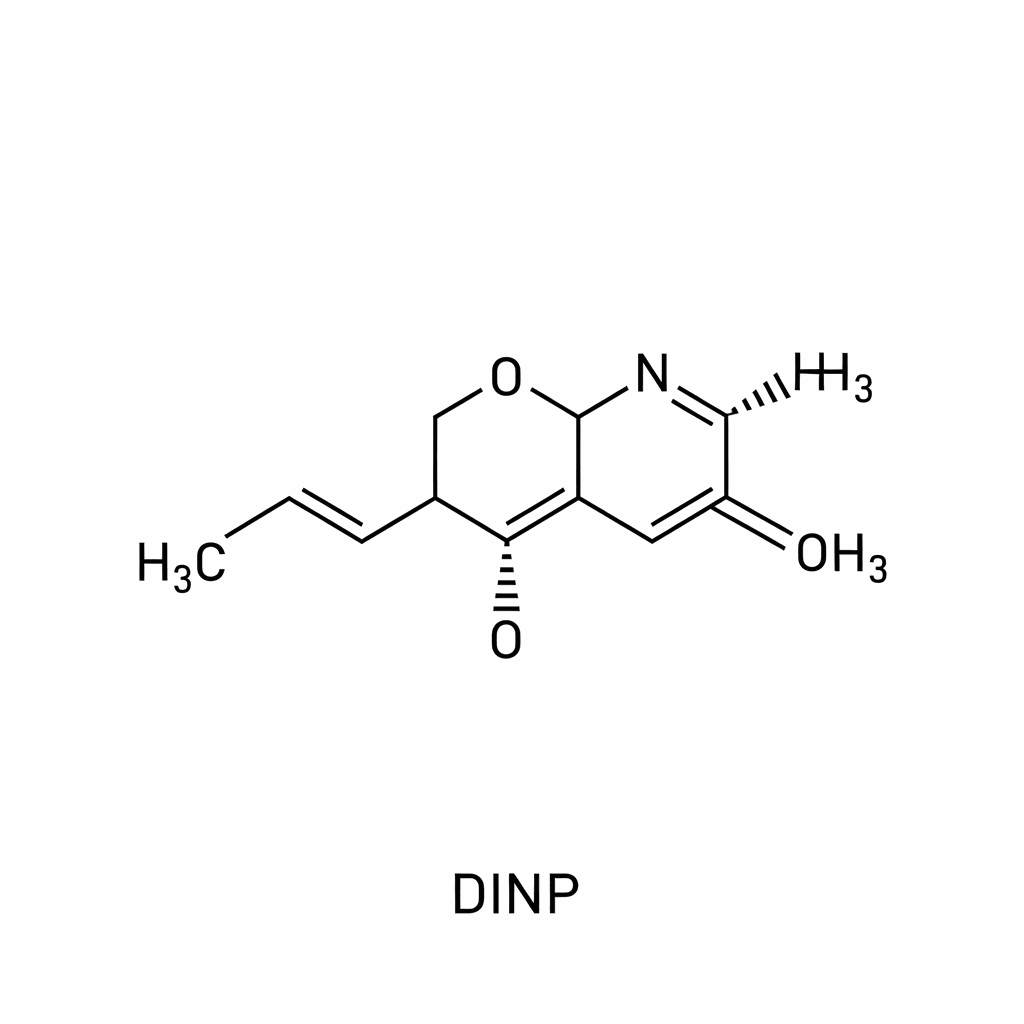
  • Plasticizer Production: The largest consumer segment; used to manufacture phthalate esters (e.g., DINP, DIDP, DOTP) to provide flexibility to Polyvinyl Chloride (PVC).
  • Unsaturated Polyester Resins (UPR): Critical in the production of glass-reinforced plastics for the automotive, marine, and construction industries.
  • Alkyd Resins: Acts as a primary ingredient in solvent-based coatings, enamels, and varnishes for industrial and decorative use.
  • Dyes and Pigments: Serves as an intermediate for synthesizing anthraquinone dyes, phthaleins, and copper phthalocyanine pigments.
  • Specialty Chemicals: Utilized in the production of saccharin, flame retardants (tetrabromophthalic anhydride), and certain pharmaceutical intermediates.
  • Agricultural Chemicals: Used as a precursor for specific herbicides and pesticides.
Key Sectors

Target Industries

Discover more

Related products

Key Sectors

We’re Here to Support Your Chemical Sourcing Needs

Have a question or need a quote? Our team is here to help with product details, pricing, and global delivery options.

Send a message to us

Your email address will not be published. Required fields are marked *