High-Purity Solvents, Water Treatments

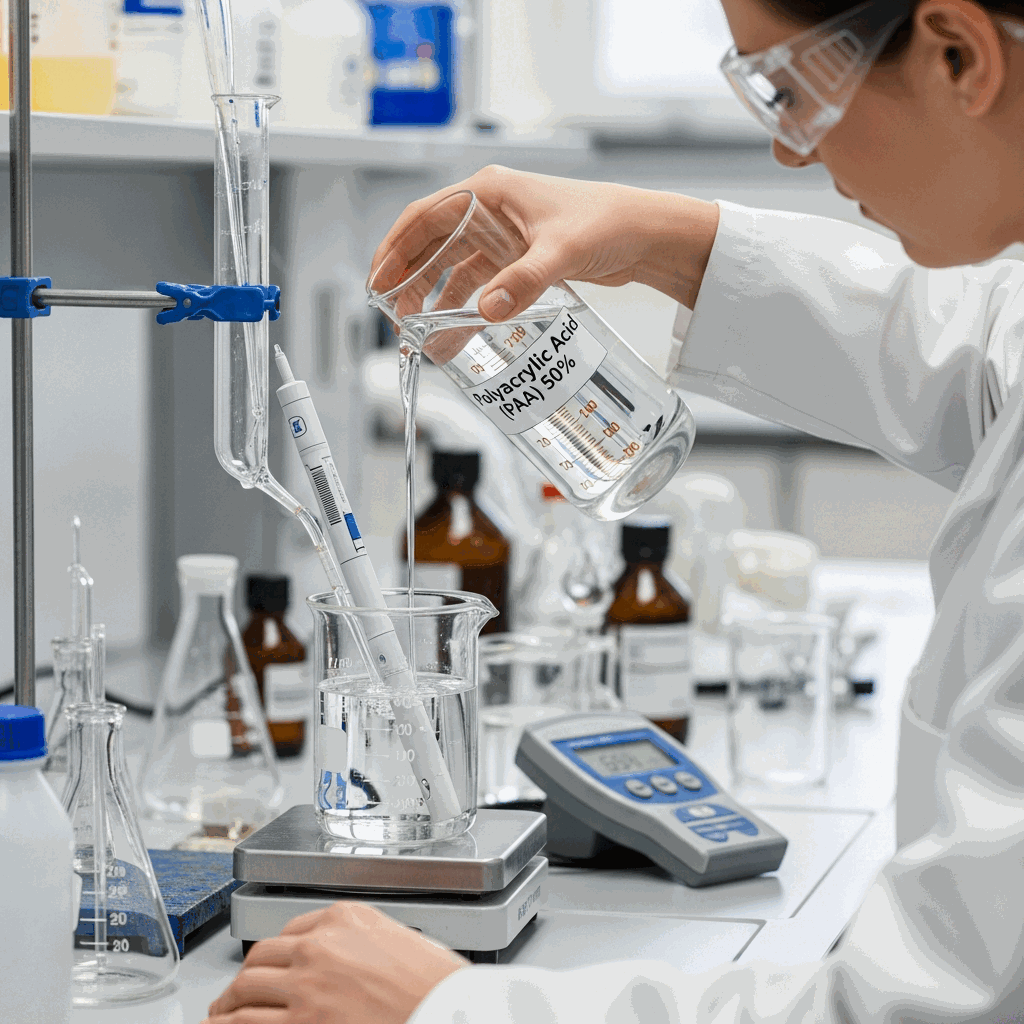
Polyacrylic Acid (PAA) 50%

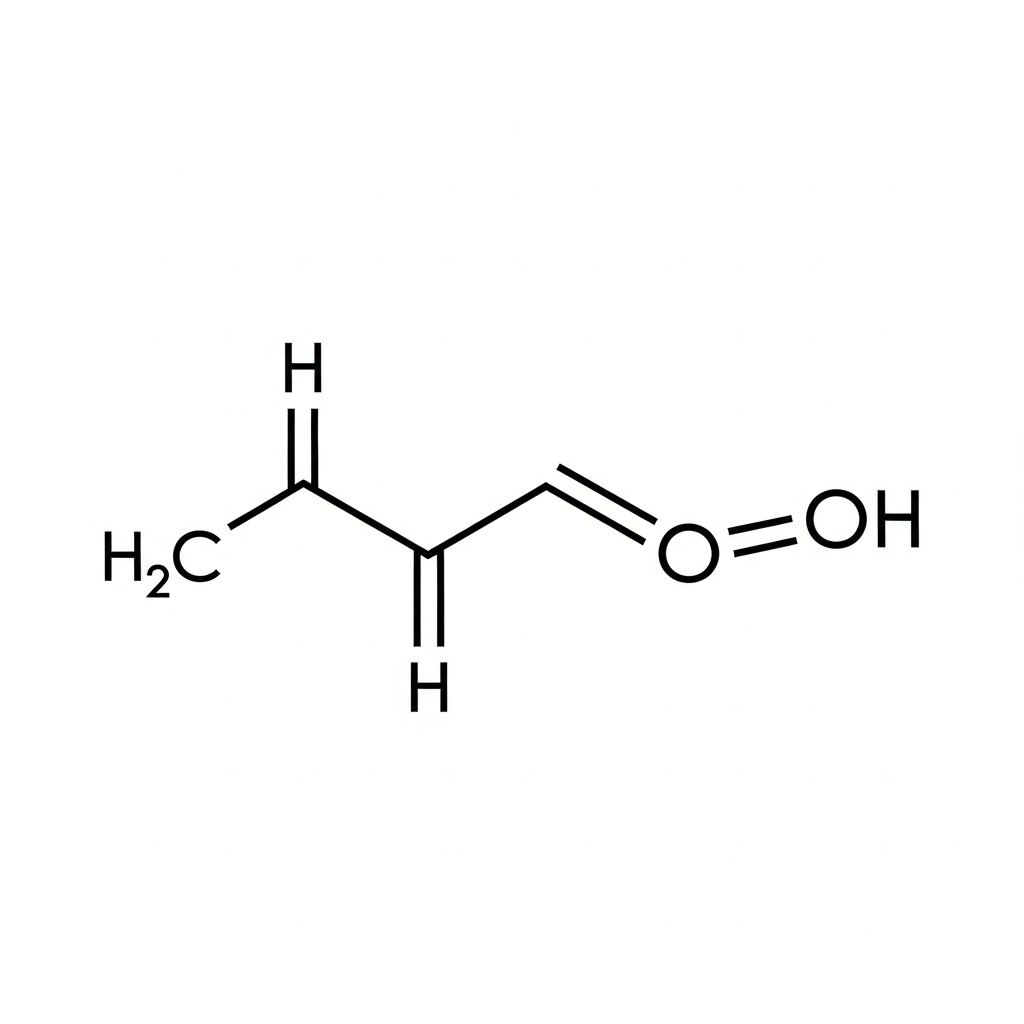
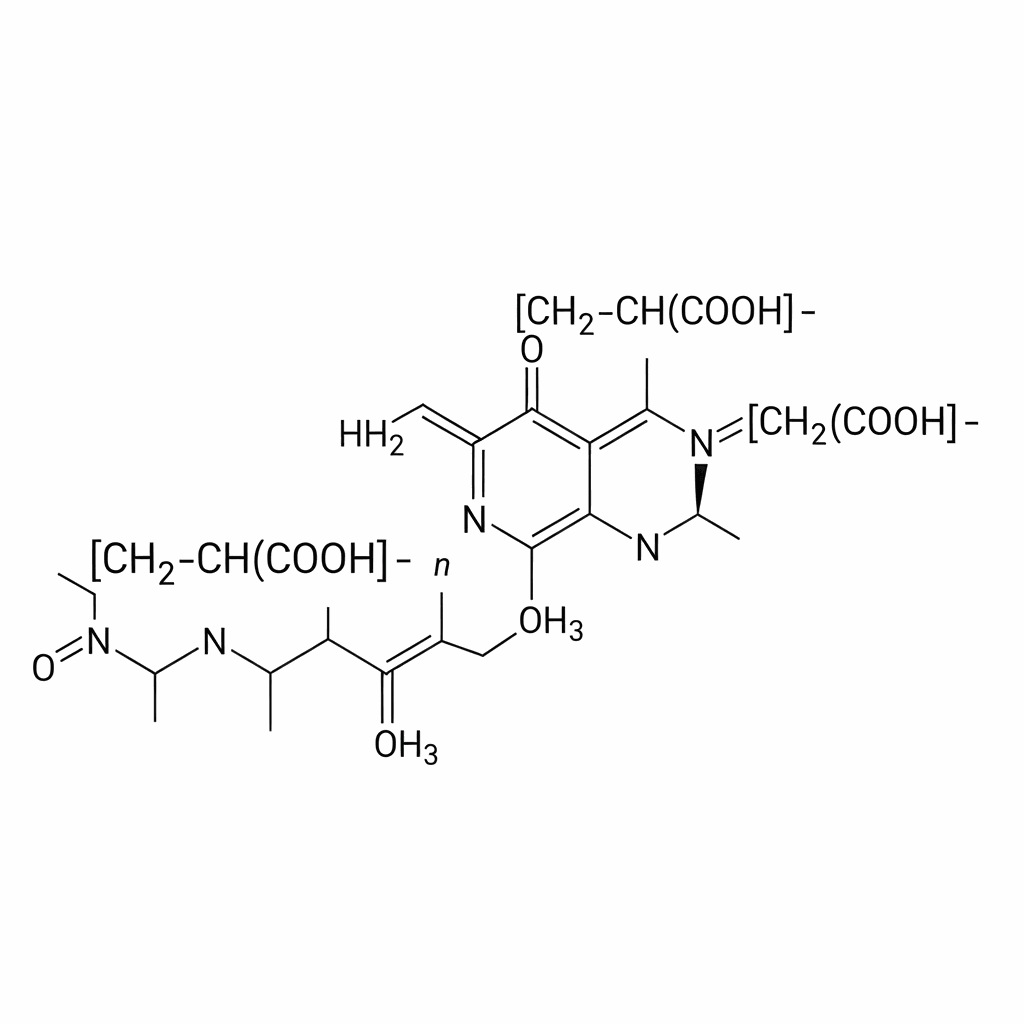
Polyacrylic Acid (PAA), specifically the 50% aqueous solution (CAS No. 9003-01-4), is a high-performance anionic polyelectrolyte synthesized through the free-radical polymerization of acrylic acid monomers. As a versatile carboxylic acid polymer, PAA is highly valued in industrial chemistry for its exceptional solubility in water and its dual functionality as a potent dispersant and scale inhibitor. In its 50% concentration, the polymer maintains a balance between high active content and manageable viscosity, making it a staple in heavy-duty industrial processes. PAA works through a mechanism of threshold inhibition and crystal distortion, effectively preventing the precipitation of mineral salts. Its high density of carboxyl groups allows it to sequester divalent cations, such as calcium and magnesium, even under harsh thermal conditions. Furthermore, its chemical stability and compatibility with various surfactants and biocides make it an essential component in complex chemical formulations ranging from cooling water systems to high-efficiency detergents.

Attributes

Key Features and Benefits

  • Superior Scale Inhibition: Exhibits exceptional efficiency in inhibiting the formation of calcium carbonate, calcium sulfate, and other mineral scales in heat exchange equipment.
  • Excellent Dispersancy: Functions as a powerful dispersing agent for inorganic slurries, silt, and clay, preventing particulate settling and foulant accumulation.
  • High Thermal Stability: Maintains structural integrity and performance efficiency in high-temperature environments, such as boilers and high-pressure cooling systems.
  • Synergistic Capabilities: Demonstrates enhanced performance when formulated with organophosphonates, zinc salts, or other water treatment chemicals.
  • Environmental Compatibility: PAA is considered non-toxic and environmentally manageable compared to traditional phosphate-based inhibitors.
  • Viscosity Control: Provides reliable rheological modification in various aqueous formulations, ensuring product stability and uniform application.
Specifications

Technical Highlights

  • Molecular Weight: Typically engineered in the range of 2,000 to 5,000 Daltons for optimal scale inhibition and dispersancy.
  • pH Profile: Highly acidic in its 50% liquid form (pH typically < 2.0); requires careful handling and materials compatibility (e.g., stainless steel or plastic storage).
  • Active Content: Standardized at 48.0% – 52.0% by weight.
  • Chelation Value: High carboxylic acid density facilitates the sequestration of Ca²⁺ and Mg²⁺ ions.
  • Physical Properties: Clear to pale amber liquid with a specific gravity of approximately 1.15–1.25 g/cm³.
  • Low Volatility: Extremely low vapor pressure ensures stability during concentrated industrial processing.

Download Technical Data Sheet (TDS)

Practical industry uses

Applications

  • Industrial Water Treatment: Primary use as a scale inhibitor and dispersant in circulating cooling water systems, boiler water, and reverse osmosis (RO) membranes.
  • Detergents and Cleaning Agents: Acts as a builder and anti-redeposition agent, preventing soil from re-attaching to fabrics or surfaces during the wash cycle.
  • Oil & Gas: Utilized in oilfield injection water and drilling muds to control scale and manage fluid rheology.
  • Pulp and Paper: Used as a dispersant for pigments (like kaolin and calcium carbonate) and as a stabilizer in bleaching processes.
  • Textile Industry: Employed as a sizing agent and a dispersant in dyeing and printing auxiliaries.
  • Mining: Assists in the dispersion of mineral ores during processing and prevents scaling in mineral transport lines.
Key Sectors

Target Industries

Discover more

Related products

Key Sectors

We’re Here to Support Your Chemical Sourcing Needs

Have a question or need a quote? Our team is here to help with product details, pricing, and global delivery options.

Send a message to us

Your email address will not be published. Required fields are marked *