High-Purity Solvents, Water Treatments

Polyaluminum Chloride (PAC)

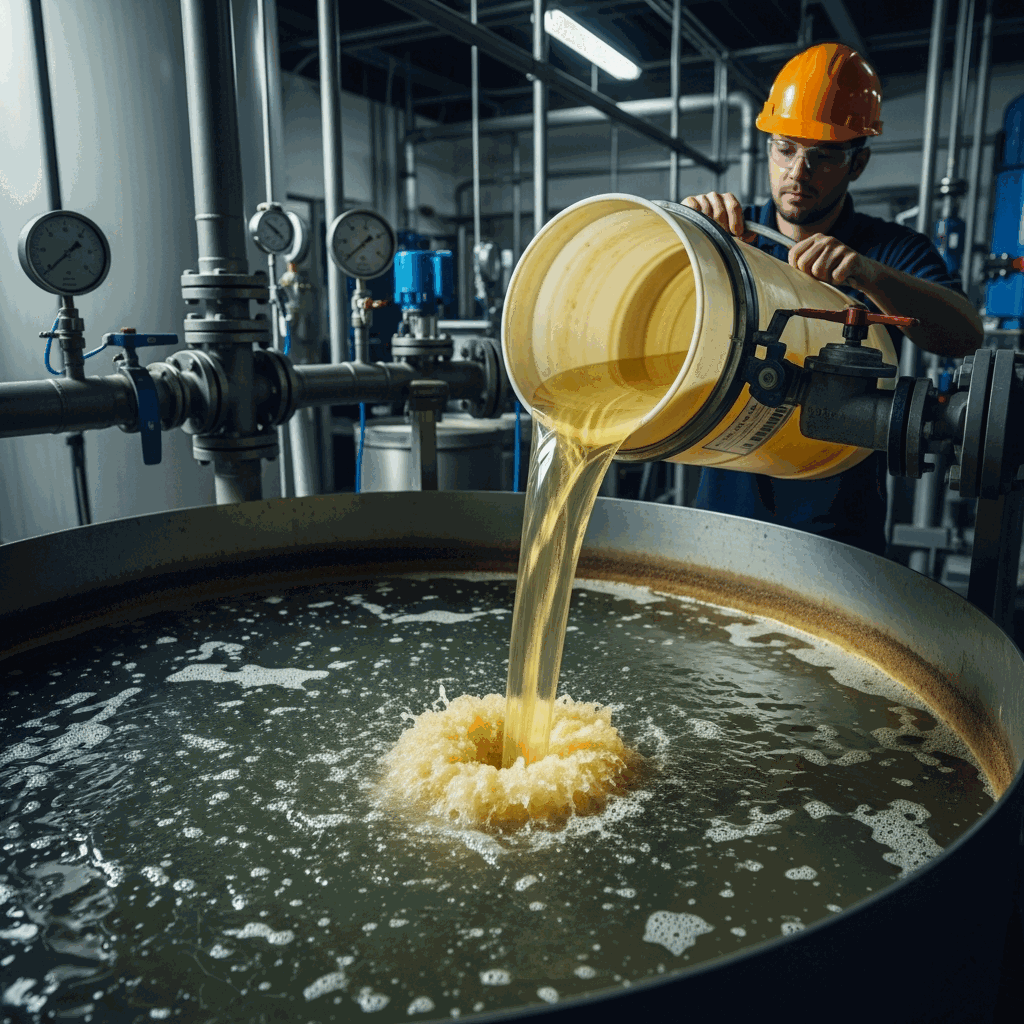
Polyaluminum Chloride, identified by CAS number 1327-41-9, is a highly efficient inorganic polymer coagulant widely utilized in water treatment processes and industrial applications. This versatile chemical compound is synthesized through the reaction of hydrochloric acid with aluminum-containing materials, resulting in a complex mixture of polymerized aluminum salts. PAC is characterized by its high charge density and bridge-forming capabilities, which facilitate the rapid destabilization of suspended colloidal particles. Unlike traditional coagulants like aluminum sulfate, PAC operates effectively across a broader pH range and produces significantly less sludge, making it a cost-effective and environmentally friendly alternative for municipal and industrial water purification. Its superior performance in low-temperature water and its ability to remove heavy metals and organic matter further distinguish it as a premier choice for ensuring water quality. Consequently, PAC remains a fundamental component in modern wastewater management, drinking water treatment, and various specialized manufacturing sectors requiring precise liquid-solid separation capabilities.
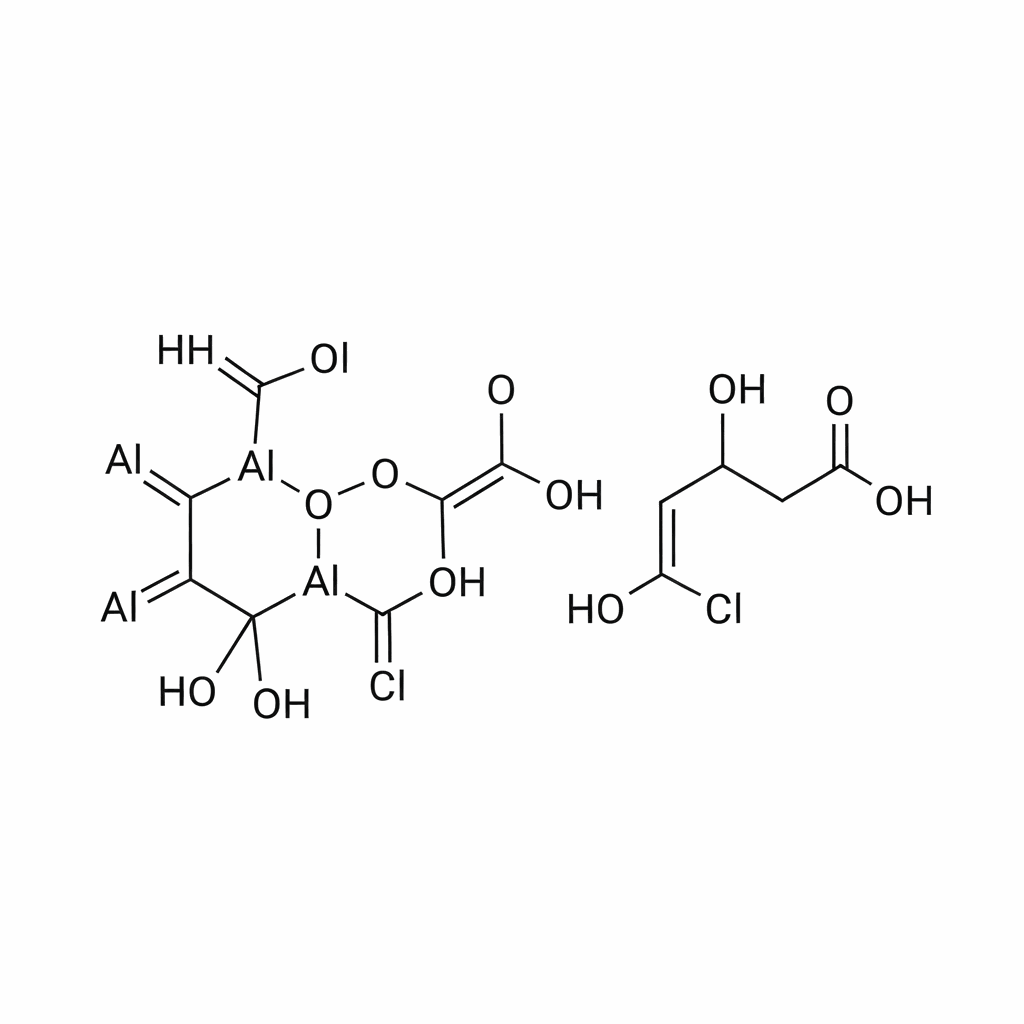
Attributes

Key Features and Benefits

  • High coagulation efficiency allows for lower dosages compared to traditional aluminum salts.
  • Rapid floc formation and settling speed reduce processing time in treatment plants.
  • Minimal impact on water pH minimizes the need for additional neutralizing chemicals.
  • Effective performance in low-temperature and high-turbidity water conditions.
  • Low residual aluminum levels ensure compliance with drinking water safety standards.
  • Reduced sludge volume lowers disposal costs and improves operational sustainability.
  • Highly stable shelf life in both liquid and powder forms simplifies storage.
  • Cost-effective performance across diverse industrial and municipal water treatment environments.
  • Superior purification results.
  • Enhanced safety.
  • Increased efficiency for all plant operators seeking quality.
Specifications

Technical Highlights

  • Chemical Formula: [Al2(OH)nCl6-n]m, representing a highly polymerized structure.
  • Basicity level typically ranges from 45% to 95% depending on specific grade.
  • Solubility in water is excellent, leaving negligible insoluble residue after dissolution.
  • Active content measured as Al2O3 percentage, commonly between 28% and 30%.
  • Operates efficiently within a pH range of 5.0 to 9.0.
  • Zeta potential neutralization mechanisms drive effective colloidal particle destabilization.
  • Molecular weight varies based on the degree of polymerization and manufacturing process
  • Available in spray-dried powder or liquid concentrates for diverse dosing requirements
  • .
  • The specific gravity of liquid PAC is roughly 1.20 at ambient operating temperatures for standard formulations.

Download Technical Data Sheet (TDS)

Practical industry uses

Applications

  • Purification of municipal drinking water for safe public consumption.
  • Treatment of industrial wastewater in textile, leather, and food processing.
  • Sizing agent in the paper and pulp industry to improve paper quality.
  • Oil-water separation in petroleum refining and petrochemical manufacturing processes.
  • Clarification of process water in the mining and coal washing sectors.
  • Removal of heavy metals and phosphates from specialized industrial effluent streams.
  • Cosmetic ingredient utilized in antiperspirants and deodorants for moisture control.
  • Pre-treatment for membrane filtration systems to prevent fouling and enhance efficiency.
  • Used in sugar refining and pharmaceutical clarification tasks.
  • Effective for swimming pool water flocculation to remove impurities.
Key Sectors

Target Industries

Discover more

Related products

Key Sectors

We’re Here to Support Your Chemical Sourcing Needs

Have a question or need a quote? Our team is here to help with product details, pricing, and global delivery options.

Send a message to us

Your email address will not be published. Required fields are marked *