BDO and Its Derivatives, High-Purity Solvents

Polybutylene Terephalate (PBT)

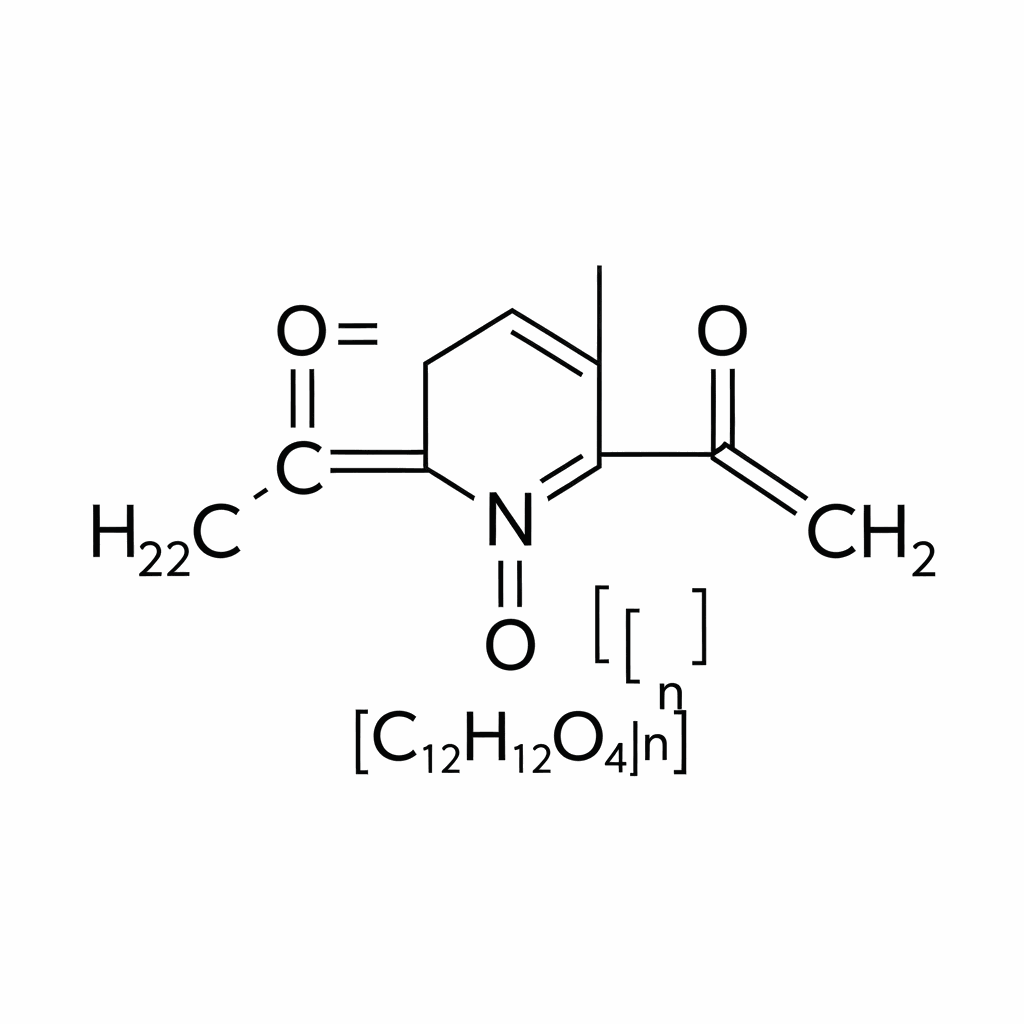
Polybutylene terephthalate (PBT) is a semi-crystalline engineering thermoplastic polyester characterized by its robust chemical structure, derived from the polycondensation of terephthalic acid or dimethyl terephthalate with 1,4-butanediol. As a member of the polyester family, PBT exhibits a unique balance of properties that bridges the gap between high-performance materials and general-purpose plastics. Its molecular architecture consists of repeating units featuring aromatic rings and aliphatic chains, which impart significant mechanical strength, stiffness, and thermal stability. This polymer is distinguished by its rapid crystallization rate during processing, facilitating efficient injection molding and extrusion cycles. Furthermore, PBT demonstrates excellent dimensional stability, low moisture absorption, and superior electrical insulation characteristics, making it highly reliable in diverse environmental conditions. Its resistance to a broad range of chemicals, including aliphatic hydrocarbons and oils, combined with its inherent flame retardancy when appropriately modified, positions it as a critical material in demanding industrial sectors such as automotive engineering components.

Attributes

Key Features and Benefits

  • Excellent mechanical strength and stiffness provide structural integrity for high-stress industrial applications requiring long-term durability.
  • High thermal resistance allows the material to withstand continuous service temperatures up to 140 degrees Celsius without losing structural form.
  • Low moisture absorption rates ensure consistent dimensional stability and critical electrical performance even in extremely humid operating environments.
  • Superior chemical resistance against a variety of solvents, alcohols, and oils prevents degradation during long-term industrial chemical exposure.
  • Rapid crystallization behavior enables fast molding cycles during production, which significantly improves manufacturing efficiency and overall plant throughput.
Specifications

Technical Highlights

  • Melting point ranges from 223 to 225 degrees Celsius, facilitating processing in standard industrial injection molding and extrusion equipment.
  • Glass transition temperature (Tg) is approximately 22 to 45 degrees Celsius, affecting mechanical behavior and flexibility at lower temperatures.
  • Density typically varies between 1.30 and 1.32 g/cm3 for unfilled grades, increasing significantly with glass fiber or mineral reinforcement.
  • Dielectric strength is measured at approximately 15 to 20 kV/mm, providing exceptional electrical insulation properties for high-voltage components.
  • Tensile strength for unmodified PBT is roughly 50 MPa, while glass-reinforced variants reach up to 150 MPa for structural uses.

Download Technical Data Sheet (TDS)

Practical industry uses

Applications

  • Automotive connectors, sensor housings, and ignition system components rely on PBT’s exceptional heat and aggressive chemical resistance properties.
  • Electrical and electronic parts like circuit breakers, switches, and transformer bobbins utilize its superior electrical insulating and flame-retardant characteristics.
  • Household appliance parts such as oven handles, griddles, and hair dryer nozzles benefit from its excellent thermal stability during use.
  • Industrial equipment including pump housings, impellers, and valve parts require the material’s structural durability and extreme chemical inertness.
  • Optical fiber cable buffering and jacketing applications use PBT for its excellent mechanical protection, low shrinkage, and environmental resistance.
Key Sectors

Target Industries

Discover more

Related products

Key Sectors

We’re Here to Support Your Chemical Sourcing Needs

Have a question or need a quote? Our team is here to help with product details, pricing, and global delivery options.

Send a message to us

Your email address will not be published. Required fields are marked *