BDO and Its Derivatives, High-Purity Solvents

Polyvinyl Pyrrolidone (PVP)

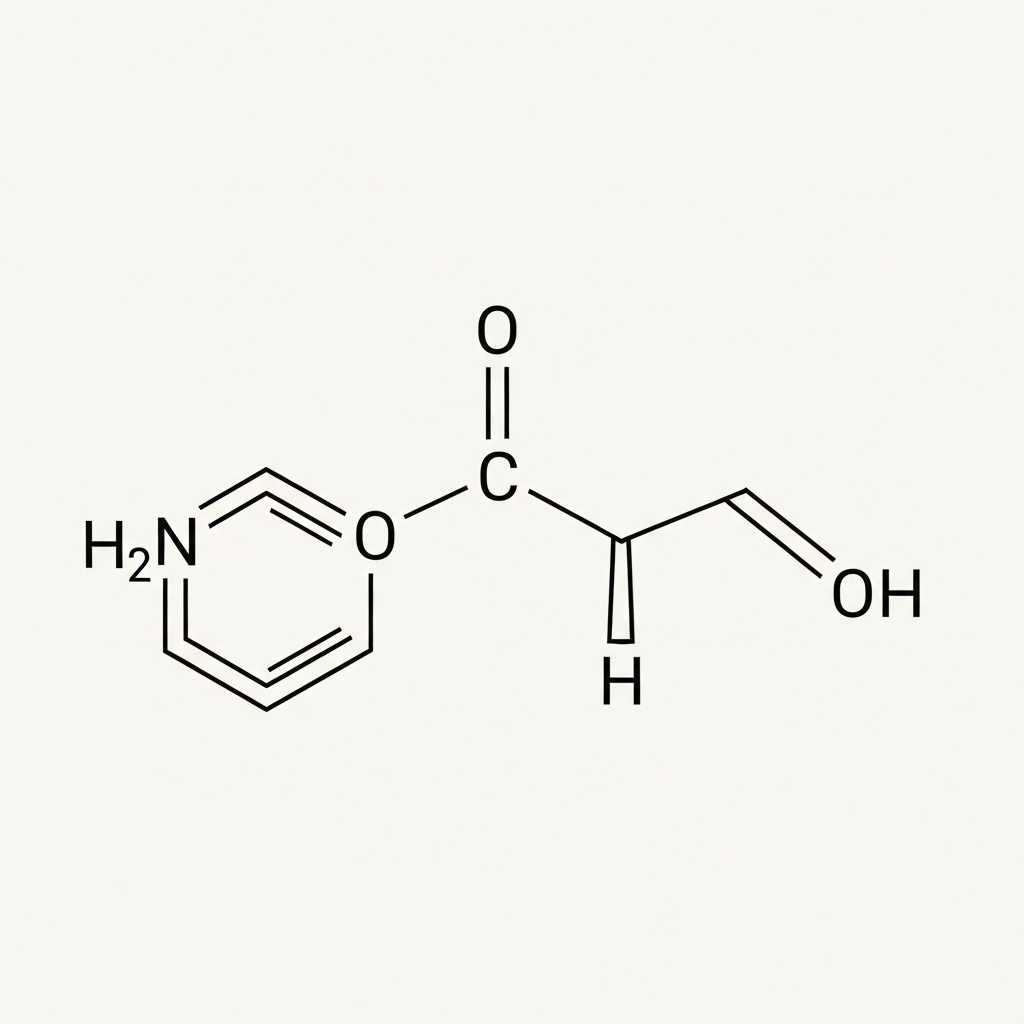
Polyvinyl Pyrrolidone, commonly abbreviated as PVP and designated by CAS number 9003-39-8, is a versatile synthetic polymer synthesized through the free-radical polymerization of the monomer N-vinylpyrrolidone. This non-ionic, water-soluble compound is characterized by its exceptional film-forming properties, high physiological compatibility, and remarkable ability to form complexes with various organic and inorganic molecules. As a hygroscopic white to off-white powder, PVP exhibits outstanding solubility across a diverse range of polar solvents, including water, alcohols, and chlorinated hydrocarbons. Its molecular structure contains a highly polar amide group within the pyrrolidone ring and a non-polar methylene backbone, imparting unique amphiphilic characteristics. This dual nature allows PVP to act as an effective stabilizer, dispersant, and binder across multiple industries. Its chemical stability remains robust over a wide pH range, and its biocompatible profile ensures it is non-toxic, non-irritating, and environmentally benign, making it indispensable in high-performance pharmaceutical and industrial applications globally. Its utility grows.

Attributes

Key Features and Benefits

  • Excellent solubility in both aqueous and organic media, facilitating formulation versatility across diverse chemical environments and solvent systems.
  • Strong film-forming capability, producing clear, flexible, and cohesive coatings that adhere well to various substrates and surfaces.
  • High physiological inertness and biocompatibility, making it safe for oral, topical, and parenteral routes in medical and personal care products.
  • Remarkable complexation properties, particularly with iodine and phenolic compounds, enhancing the stability and bioavailability of active pharmaceutical ingredients.
  • Effective dispersant and stabilizing action, preventing the agglomeration of particles in suspensions and ensuring uniform distribution in colloidal systems.
Specifications

Technical Highlights

  • Molecular formula is (C6H9NO)n, with molecular weights ranging from 2,500 to over 1,000,000 Da, categorized by K-values.
  • Glass transition temperature (Tg) varies with moisture content and molecular weight, typically ranging between 110°C and 190°C.
  • Highly hygroscopic nature, capable of absorbing up to 40% of its weight in water depending on ambient relative humidity.
  • Exceptional thermal stability with decomposition occurring above 150°C, and a density approximately between 1.1 and 1.3 grams per cubic centimeter.
  • Viscosity of aqueous solutions is non-Newtonian and directly proportional to the polymer’s concentration and K-value (molecular weight identifier).

Download Technical Data Sheet (TDS)

Practical industry uses

Applications

  • Pharmaceutical industry: Acts as a primary binder for tablet compression and a solubilizer for poorly water-soluble drug molecules.
  • Personal care: Extensively used in hair sprays and gels as a fixative to provide hold and shine without residue.
  • Food and beverage: Utilized as a clarifying agent in beer and wine production to remove polyphenols and improve clarity.
  • Industrial engineering: Employed in the manufacturing of membranes, specialized inks, and adhesive formulations due to its bonding strength.
  • Medical diagnostics: Serves as a stabilizer in diagnostic tests and a coating for medical devices to improve biocompatibility.
Key Sectors

Target Industries

Discover more

Related products

Key Sectors

We’re Here to Support Your Chemical Sourcing Needs

Have a question or need a quote? Our team is here to help with product details, pricing, and global delivery options.

Send a message to us

Your email address will not be published. Required fields are marked *