Propylene Glycol Monoethyl Ether (Ethoxy-Propanol) (PE)
Glycol Ethers, High-Purity Solvents

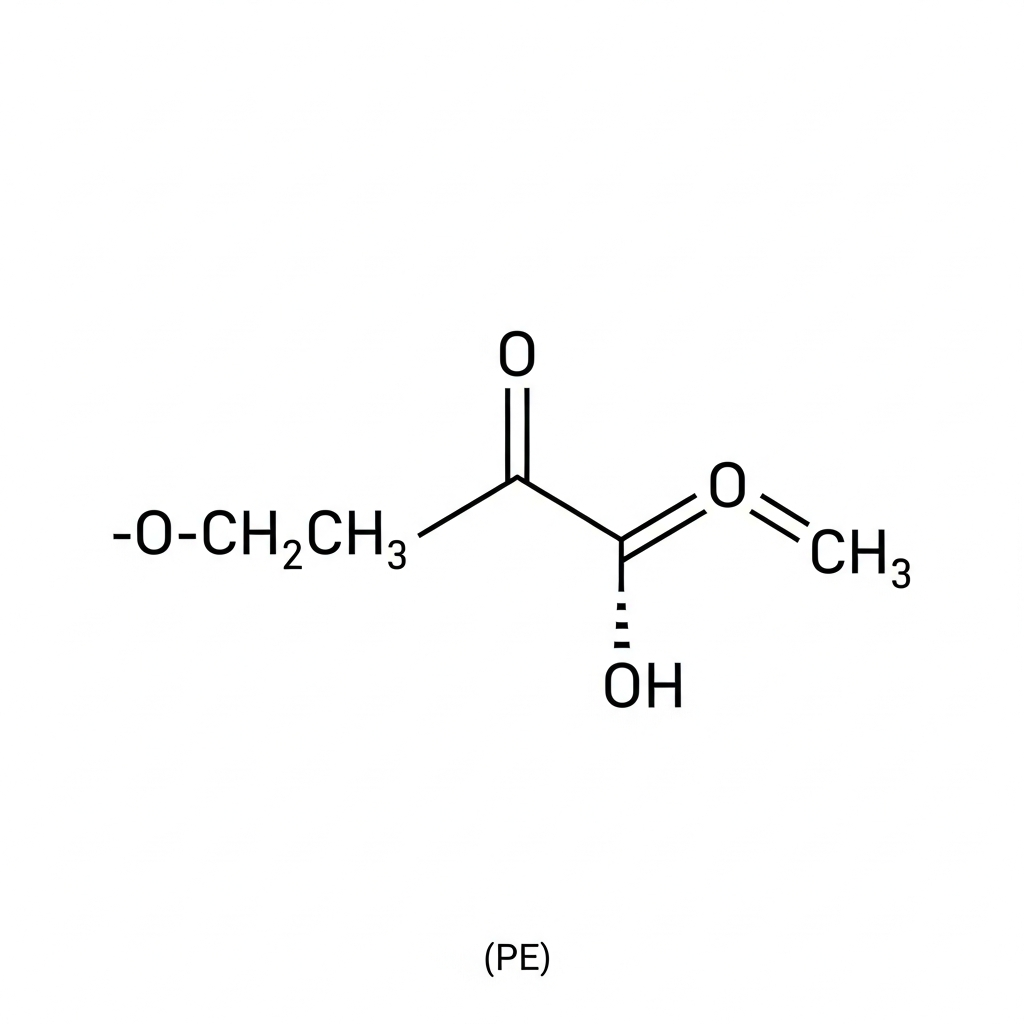
Propylene Glycol Monoethyl Ether (Ethoxy-Propanol) (PE)

Propylene Glycol Monoethyl Ether (PE), chemically identified as 1-ethoxy-2-propanol (CAS No. 1569-02-4), is a high-performance, clear, and colorless liquid solvent belonging to the P-series glycol ether family. It is characterized by its bifunctional nature, containing both an ether and a hydroxyl group within a single molecule. This molecular architecture grants it exceptional solvency for a wide range of substances, including resins, oils, waxes, and fats.

As a “P-series” glycol ether, PE is often preferred in industrial formulations over “E-series” (ethylene-based) ethers due to its significantly lower systemic toxicity and more favorable environmental profile. It exhibits a moderate evaporation rate and is completely miscible with water and most organic solvents. This makes it an ideal coupling agent and coalescing aid. PE is valued for its ability to reduce surface tension and improve the flow and leveling of coatings, ensuring high-quality finishes in diverse chemical processing applications.

Attributes

Key Features and Benefits

  • Dual Functionality: Acts as both an alcohol and an ether, providing superior solvency for polar and non-polar materials.
  • Safety Profile: Offers a lower toxicity profile compared to ethylene glycol-based ethers, making it safer for handling and regulatory compliance.
  • Coupling Efficiency: Functions as an excellent coupling agent, facilitating the stabilization of immiscible water-organic solvent systems.
  • Enhanced Leveling: Its moderate evaporation rate prevents premature drying, ensuring smooth film formation and reduced surface defects in coatings.
  • High Miscibility: Fully soluble in water and a broad spectrum of organic solvents, allowing for versatile formulation flexibility.
  • Low Odor: Features a mild, non-intrusive ether-like scent suitable for indoor applications.
Specifications

Technical Highlights

  • Molecular Formula: C5H12O2 (Mass: 104.15 g/mol).
  • Boiling Point: Approximately 132°C (270°F) at 760 mmHg, providing stability in high-temperature processes.
  • Flash Point: ~42°C (108°F) (Closed Cup); classified as a flammable liquid requiring standard safety precautions.
  • Specific Gravity: 0.895 – 0.905 at 20°C, ensuring predictable density in blending.
  • Evaporation Rate: 0.4 (relative to n-Butyl Acetate = 1), categorized as a medium-evaporating solvent.
  • Vapor Pressure: 5.8 mmHg at 25°C, indicating moderate volatility.
  • Surface Tension: Low surface tension (approx. 27-28 mN/m) aids in substrate wetting and penetration.

Download Technical Data Sheet (TDS)

Practical industry uses

Applications

  • Electrical and electronics
  • Connectors, switches, PCB housings, terminal blocks
  • Automotive
  • Under-hood components, interior assemblies, cable conduits
  • Wire and cable
  • Insulation layers, sheathing, jacketing materials
  • Construction
  • Plastic fittings, conduits, insulation panels
  • Consumer appliances
  • Enclosures, adapters, plugs, casings
  • Industrial components
  • Fiber-reinforced composites, flame-retardant masterbatches
  • Compatible polymers
  • PA6, PA66
  • PBT, PET
  • PE, PP
  • Blends and copolymers requiring halogen-free flame retardancy
Key Sectors

Target Industries

Discover more

Related products

Key Sectors

We’re Here to Support Your Chemical Sourcing Needs

Have a question or need a quote? Our team is here to help with product details, pricing, and global delivery options.

Send a message to us

Your email address will not be published. Required fields are marked *