Propylene Glycol N-Propyl Ether (PNP)
Glycol Ethers, High-Purity Solvents

Propylene Glycol N-Propyl Ether (PNP)

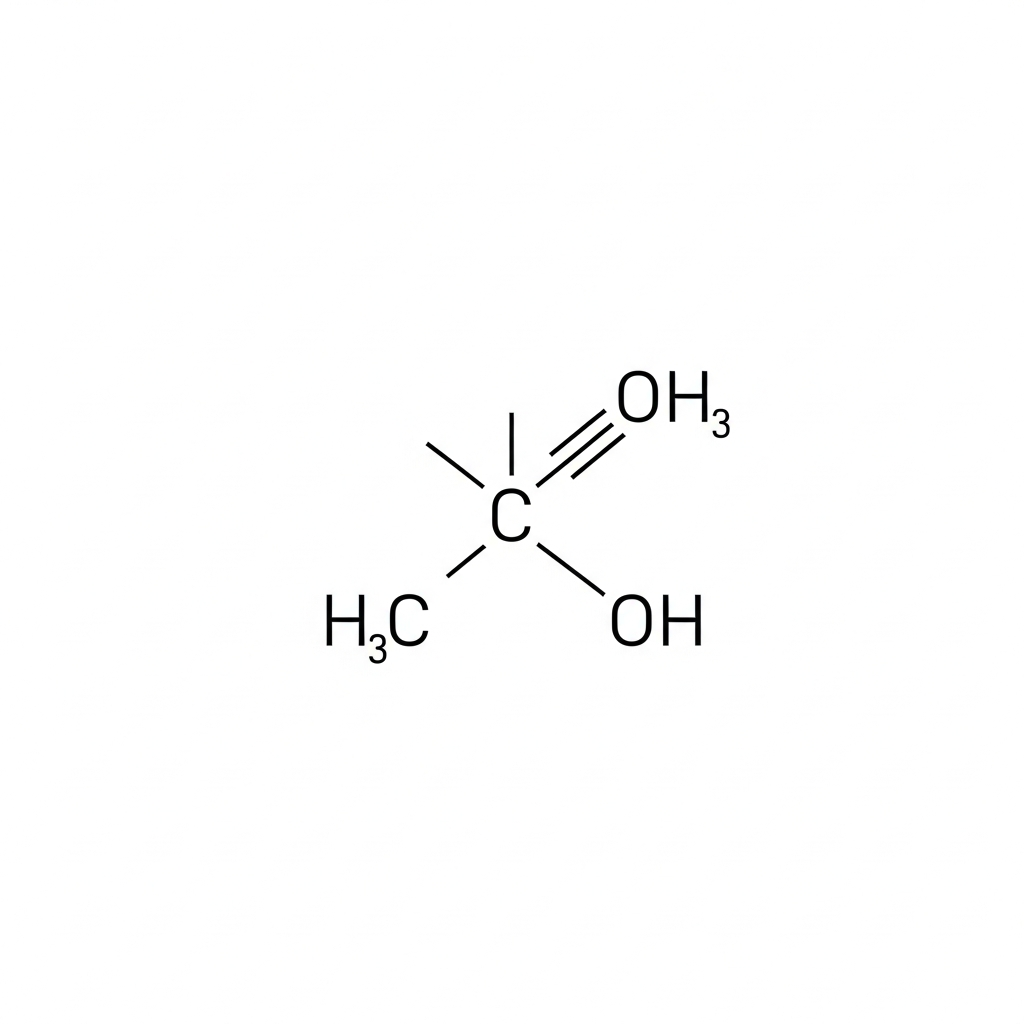
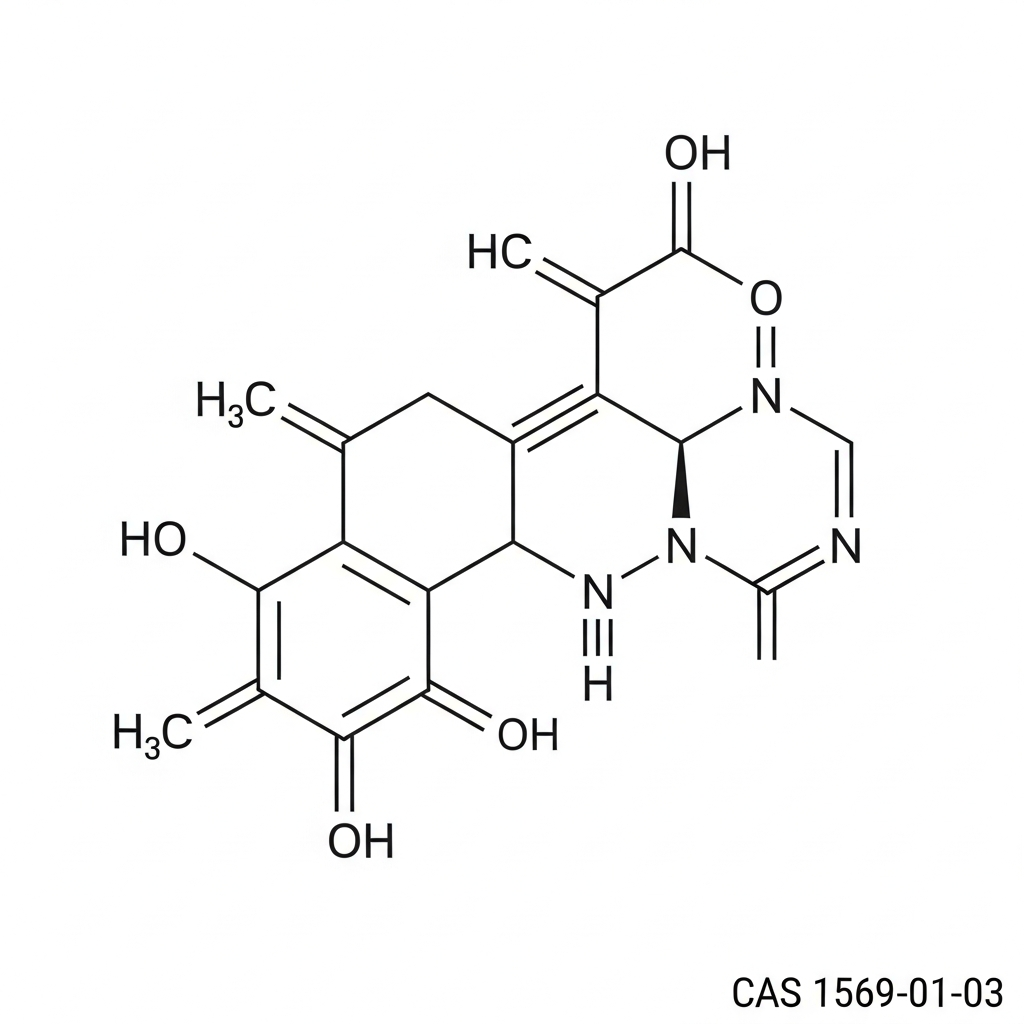
Propylene Glycol n-Propyl Ether (PNP), chemically identified as 1-propoxy-2-propanol (CAS No. 1569-01-3), is a fast-evaporating, high-performance P-series glycol ether. It serves as a versatile solvent characterized by its colorless liquid form and mild, ether-like odor. PNP is engineered to balance hydrophobic and hydrophilic properties, making it an exceptional coupling agent and solvent for both water-reducible and solvent-based systems. Unlike ethylene-based (E-series) glycol ethers, PNP offers a superior safety profile with lower systemic toxicity, making it a preferred choice in environmentally conscious formulations. Its chemical structure—comprising an ether linkage and a hydroxyl group—allows it to dissolve a wide range of resins, including acrylics, epoxies, alkyds, and polyesters. As a professional-grade industrial solvent, PNP is valued for its ability to reduce surface tension and improve flow and leveling in coating applications, while maintaining a moderate evaporation rate that ensures optimal film formation.

Attributes

Key Features and Benefits

  • Superior Solvency: Exhibits high solvency power for various resins, oils, and greases, facilitating the formulation of concentrated cleaners and high-solids coatings.
  • Excellent Coupling Ability: Acts as an effective intermediate, enabling the blending of water-insoluble organic components into aqueous systems.
  • Surface Tension Reduction: Significantly lowers the surface tension of water-based formulations, enhancing substrate wetting and adhesion.
  • Safety Profile: Offers lower toxicity and fewer regulatory restrictions compared to ethylene glycol propyl ethers (EP).
  • Controlled Evaporation: Provides a moderate evaporation rate that prevents “flash dry” issues while ensuring timely curing and drying of films.
  • Full Compatibility: Miscible with most organic solvents and partially soluble in water.
Specifications

Technical Highlights

  • Chemical Formula: C6H14O2 (or CH3CH(OH)CH2OCH2CH2CH3)
  • Molecular Weight: 118.17 g/mol
  • Boiling Point: 149.8°C (301.6°F) at 760 mmHg.
  • Flash Point: 48°C (118.4°F) – Classified as a flammable liquid; requires grounded storage and handling.
  • Vapor Pressure: 1.7 mmHg at 20°C, indicating moderate volatility.
  • Specific Gravity: 0.880–0.890 at 20°C.
  • Water Solubility: 15% by weight at 25°C, providing a unique balance for oil-in-water emulsions.
  • Viscosity: 2.3 cP at 25°C, ensuring low-viscosity contributions to finished products.
  • Refractive Index: 1.413 at 20°C.

Download Technical Data Sheet (TDS)

Practical industry uses

Applications

  • Electrical and electronics
  • Connectors, switches, PCB housings, terminal blocks
  • Automotive
  • Under-hood components, interior assemblies, cable conduits
  • Wire and cable
  • Insulation layers, sheathing, jacketing materials
  • Construction
  • Plastic fittings, conduits, insulation panels
  • Consumer appliances
  • Enclosures, adapters, plugs, casings
  • Industrial components
  • Fiber-reinforced composites, flame-retardant masterbatches
  • Compatible polymers
  • PA6, PA66
  • PBT, PET
  • PE, PP
  • Blends and copolymers requiring halogen-free flame retardancy
Key Sectors

Target Industries

Discover more

Related products

Key Sectors

We’re Here to Support Your Chemical Sourcing Needs

Have a question or need a quote? Our team is here to help with product details, pricing, and global delivery options.

Send a message to us

Your email address will not be published. Required fields are marked *