Propylene Glycol Phenyl Ether (PPH)
Glycol Ethers, High-Purity Solvents

Propylene Glycol Phenyl Ether (PPH)

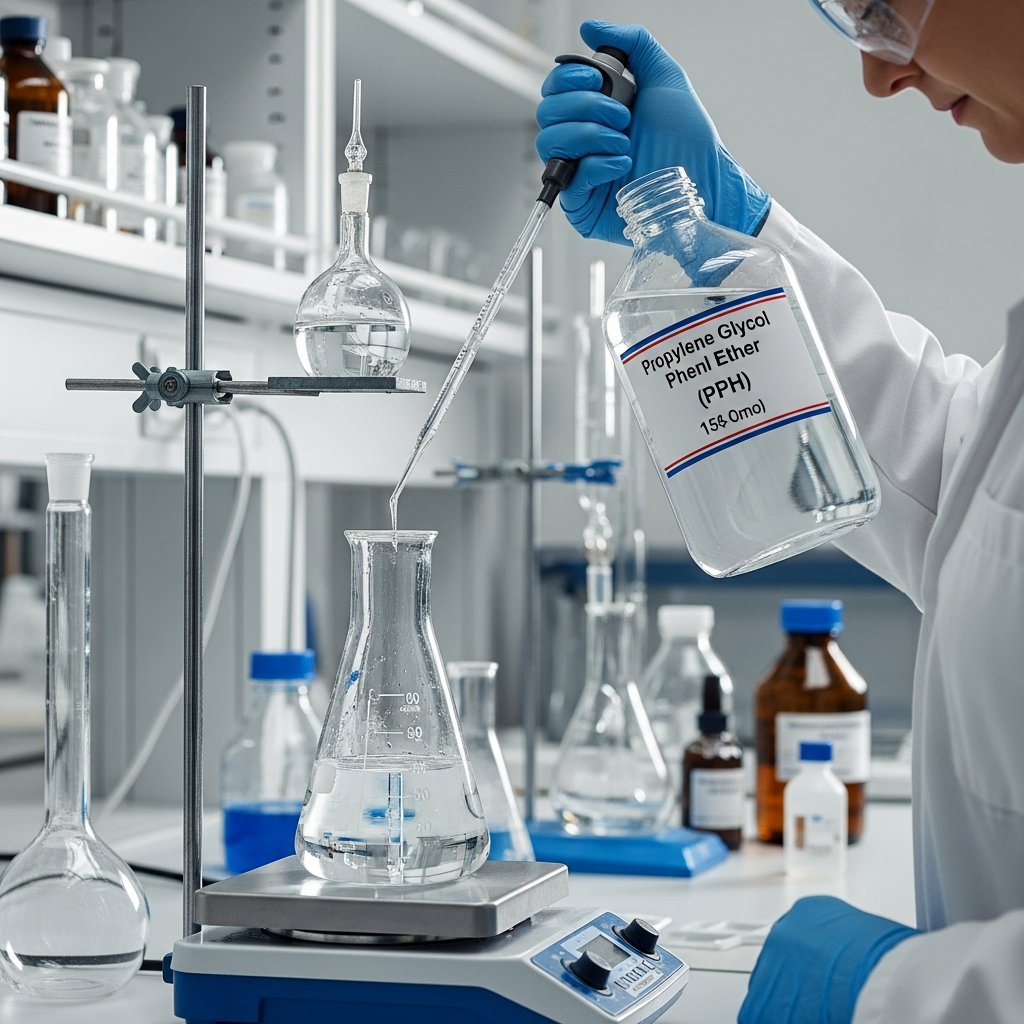
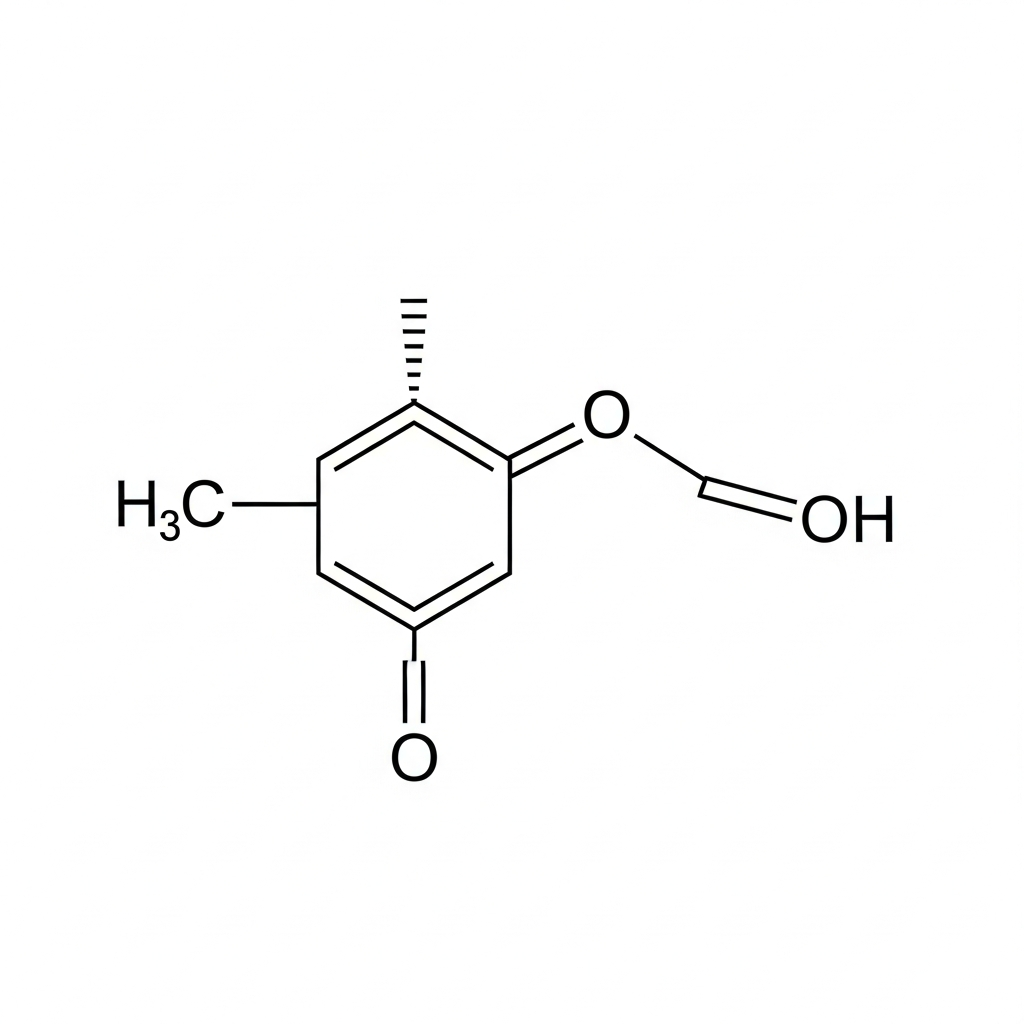
Propylene Glycol Phenyl Ether (PPH), identified by CAS number 770-35-4, is a high-performance, slow-evaporating glycol ether characterized by its hydrophobic nature and high boiling point. Chemically known as 1-phenoxy-2-propanol, PPH features a stable aromatic ether linkage combined with a secondary hydroxyl group. This structure imparts unique solvency properties, making it an exceptional coalescing agent for waterborne latex coatings. Unlike many traditional glycol ethers, PPH exhibits very low water solubility but remains highly effective at reducing the Minimum Film Forming Temperature (MFFT) of architectural and industrial resins. Its low vapor pressure and high flash point contribute to its profile as a safer alternative in high-temperature processing. Beyond coatings, PPH serves as a versatile solvent in specialized cleaning formulations and textile dyes. As a non-HAP (Hazardous Air Pollutant) solvent in many jurisdictions, it is increasingly favored for its balance of efficiency, low toxicity, and environmental compliance in modern chemical engineering.
Attributes

Key Features and Benefits

  • Superior Coalescing Efficiency: Drastically reduces the MFFT of acrylic, styrene-acrylic, and vinyl acetate resins, ensuring excellent film integrity even in cold conditions.
  • Low Volatility: A slow evaporation rate ensures prolonged open time and improved flow and leveling during application.
  • Enhanced Film Properties: Promotes superior gloss, scrub resistance, and color development in decorative and protective coatings.
  • Hydrolytic Stability: Demonstrates exceptional resistance to hydrolysis, making it compatible with high-pH alkaline cleaning and coating formulations.
  • Safety Profile: High flash point (~115°C) reduces fire hazards during storage and transport compared to more volatile solvents.
Specifications

Technical Highlights

  • Molecular Formula: C9H12O2 (Molecular Weight: 152.19 g/mol).
  • Boiling Point: Approximately 243°C (469°F) at 760 mmHg, classifying it as a high-boiling solvent.
  • Vapor Pressure: Extremely low (<0.01 mmHg at 20°C), minimizing atmospheric emissions.
  • Solubility Dynamics: Limited water solubility (approx. 1.1% by weight at 25°C) but highly miscible with most organic solvents and resins.
  • Specific Gravity: 1.060 – 1.064 at 20°C.
  • Surface Tension: Low surface tension (approx. 38 dynes/cm), which aids in wetting substrates and improving pigment dispersion in various industrial fluids.

Download Technical Data Sheet (TDS)

Practical industry uses

Applications

  • Electrical and electronics
  • Connectors, switches, PCB housings, terminal blocks
  • Automotive
  • Under-hood components, interior assemblies, cable conduits
  • Wire and cable
  • Insulation layers, sheathing, jacketing materials
  • Construction
  • Plastic fittings, conduits, insulation panels
  • Consumer appliances
  • Enclosures, adapters, plugs, casings
  • Industrial components
  • Fiber-reinforced composites, flame-retardant masterbatches
  • Compatible polymers
  • PA6, PA66
  • PBT, PET
  • PE, PP
  • Blends and copolymers requiring halogen-free flame retardancy
Key Sectors

Target Industries

Discover more

Related products

Key Sectors

We’re Here to Support Your Chemical Sourcing Needs

Have a question or need a quote? Our team is here to help with product details, pricing, and global delivery options.

Send a message to us

Your email address will not be published. Required fields are marked *