BDO and Its Derivatives, High-Purity Solvents

PTMEG (Polytetramethylene Ether Glycol) 1000/1800/2000

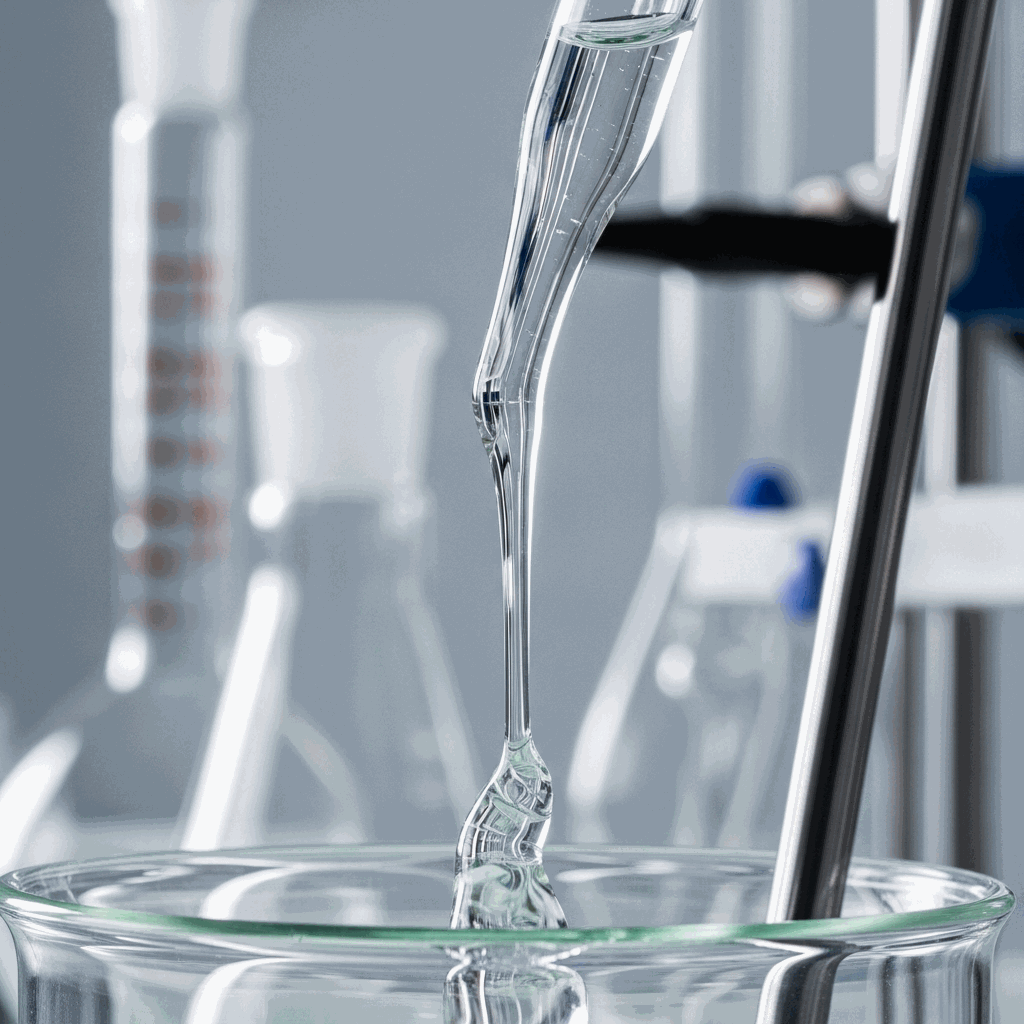
Polytetramethylene Ether Glycol, commonly known as PTMEG or polytetrahydrofuran, is a high-performance linear polyether glycol characterized by repeating tetramethylene ether units and primary hydroxyl end groups. This chemical compound is produced through the acid-catalyzed ring-opening polymerization of tetrahydrofuran, resulting in a waxy white solid at room temperature that transforms into a clear, colorless, viscous liquid upon melting. PTMEG is renowned for its exceptional flexibility, low-temperature performance, and high mechanical strength when incorporated into polymer backbones. Its unique molecular structure allows it to serve as a soft segment in the synthesis of high-quality polyurethanes and polyesters. The chemical formula is H(OCH2CH2CH2CH2)nOH, and it is available in various molecular weight grades, typically ranging from 650 to 3000 Daltons. Due to its superior hydrolytic stability and abrasion resistance, PTMEG is considered a premium intermediate in the specialty chemical industry, providing significant advantages over other polyols like polypropylene glycol or polyester-based alternatives. It excels.

Attributes

Key Features and Benefits

  • High resilience and elasticity provide excellent dynamic properties for molded polyurethane parts and elastic fibers.
  • Exceptional low-temperature flexibility ensures that end-products maintain performance in extreme cold without becoming brittle or failing.
  • Superior hydrolytic stability makes it highly resistant to degradation by water, making it ideal for marine and outdoor applications.
  • Outstanding abrasion and wear resistance significantly extend the service life of industrial rollers, wheels, and mechanical components.
  • Low viscosity at processing temperatures allows for easier handling, mixing, and uniform distribution during various chemical synthesis stages.
Specifications

Technical Highlights

  • CAS Number 25190-06-1 identifies this homopolymer, which is available in standard molecular weight grades of 1000, 1800, and 2000.
  • Hydroxyl value ranges precisely between 53.4 to 118.1 mg KOH/g depending on the specific molecular weight grade selected.
  • Moisture content is strictly controlled below 0.05% to prevent side reactions with isocyanates during polyurethane production.
  • Color (APHA) is typically rated below 40, ensuring high clarity and color consistency in finished transparent polymer products.
  • Melting point varies by grade, with the 2000 MW variant typically melting between 28 and 40 degrees Celsius.

Download Technical Data Sheet (TDS)

Practical industry uses

Applications

  • Synthesis of Spandex (Elastane) fibers used extensively in the apparel industry for sportswear, swimwear, and stretchable fabrics.
  • Production of high-performance thermoplastic polyurethanes (TPU) used in automotive parts, hoses, cable jacketing, and specialized medical tubing.
  • Formulation of cast polyurethane elastomers for industrial wheels, heavy-duty rollers, gaskets, and durable mechanical seals.
  • Key component in high-quality polyurethane adhesives and coatings where water resistance and high flexibility are required.
  • Manufacturing of copolyester-ether elastomers (COPE) which serve as tough materials for flexible couplings and automotive bellows.
Key Sectors

Target Industries

Discover more

Related products

Key Sectors

We’re Here to Support Your Chemical Sourcing Needs

Have a question or need a quote? Our team is here to help with product details, pricing, and global delivery options.

Send a message to us

Your email address will not be published. Required fields are marked *