Electro Plating, High-Purity Solvents

Pyridinium Propyl Sulfobetaine (PPS)

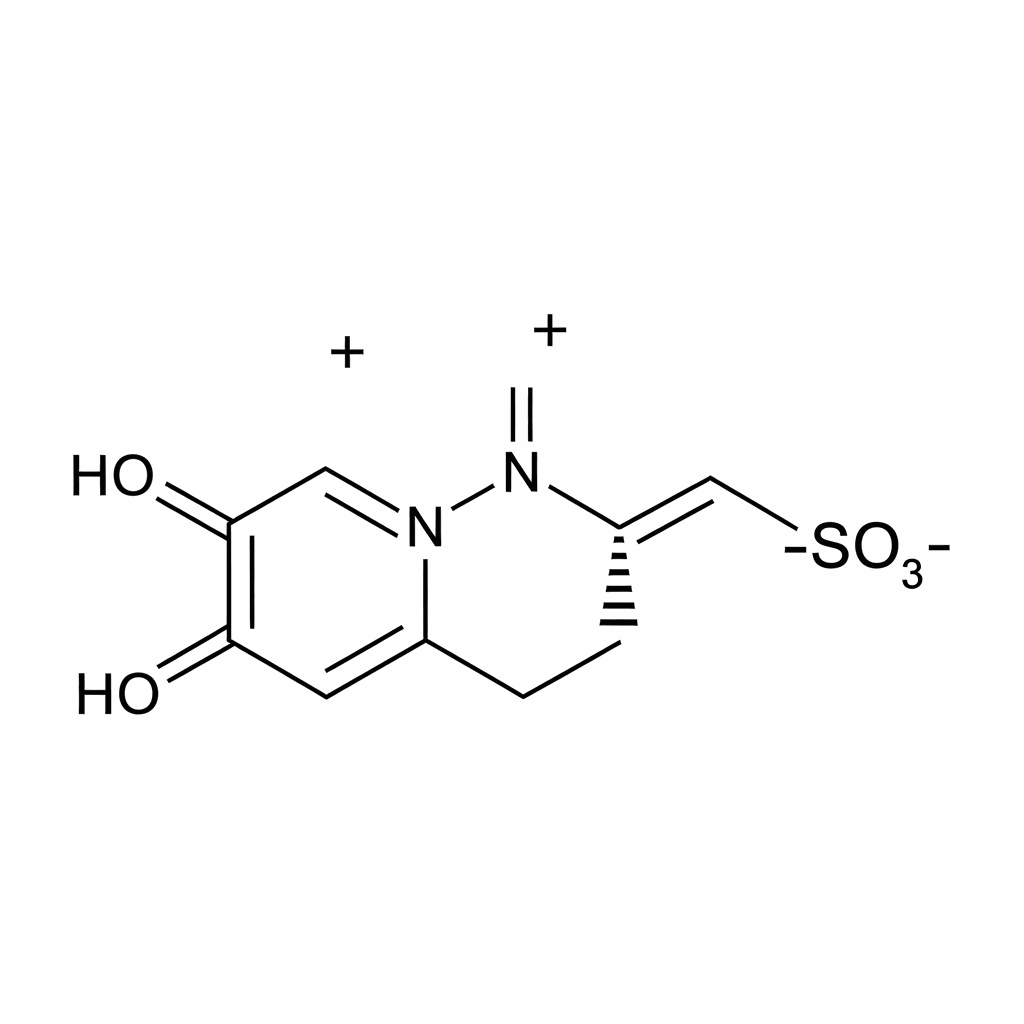
Pyridinium Propyl Sulfobetaine, identified by the CAS number 1547-17-7 and commonly abbreviated as PPS, is a zwitterionic surfactant primarily utilized in the electroplating industry. Structurally, it consists of a pyridinium ring attached to a propane sulfonic acid group, resulting in an inner salt configuration that maintains neutrality across a wide pH range. This chemical serves as a critical leveling agent and brightener in acid copper plating baths, specifically designed to improve the uniformity of metal deposition on complex substrates. By adsorbing onto high current density areas, PPS effectively regulates the rate of electrocrystallization, ensuring a smooth, mirror-like finish while preventing the formation of nodules or dendritic growth. Its exceptional stability under acidic conditions and high solubility in aqueous solutions make it a preferred choice for high-performance industrial coatings. Additionally, PPS acts as a grain refiner, enhancing the ductility and mechanical properties of the deposited copper layer in electronic manufacturing settings.
Attributes

Key Features and Benefits

  • Provides superior leveling power in acidic copper electroplating baths.
  • Ensures uniform brightness across low and high current density areas.
  • Exhibits excellent chemical stability in harsh electrolytic environments.
  • Maintains a neutral zwitterionic structure across various pH levels.
  • Facilitates mirror-finish surface aesthetics on complex geometries.
  • Enhances the ductility and adhesion of metal coatings.
  • Reduces the formation of surface defects and dendritic growths.
  • Highly soluble in water for easy integration into formulations.
  • Low toxicity compared to traditional organic brightener alternatives.
  • Improves production efficiency by reducing plating time and chemical waste.
  • Optimizes bath life cycle to minimize frequent replacement costs for large industrial users.
Specifications

Technical Highlights

  • Chemical Name: 1-(3-Sulfopropyl)pyridinium betaine.
  • Molecular Formula: C8H11NO3S.
  • Molecular Weight: Approximately 201.24 g/mol.
  • Physical State: White to off-white crystalline powder.
  • Assay Purity: Typically exceeds 98 percent by HPLC.
  • Solubility: Freely soluble in water and polar solvents.
  • Decomposition Temperature: High thermal stability above 250 degrees Celsius.
  • pH Compatibility: Stable between pH 1.0 and 12.0.
  • Function: Primary leveling agent in sulfuric acid copper plating.
  • Mechanism: Preferential adsorption at cathode surface protrusions.
  • Storage: Keep in cool, dry conditions away from oxidants to maintain long-term chemical efficacy.
  • Ionic Nature: Zwitterionic inner salt formation.
  • Melting Point: Ranges from 245 to 252 degrees under controlled laboratory settings.

Download Technical Data Sheet (TDS)

Practical industry uses

Applications

  • Essential component in acid copper plating for electronics.
  • Used in Printed Circuit Board (PCB) through-hole plating.
  • Applied in decorative chromium and nickel plating systems.
  • Leveling agent for manufacturing high-precision automotive components.
  • Utilized in the production of functional hardware coatings.
  • Employed in chemical intermediate synthesis for specialized surfactants.
  • Integrated into gold and silver electroplating for brightness.
  • Key additive in semiconductor interconnect metallization processes.
  • Used for surface treatment of architectural metal fixtures.
  • Applied in the manufacturing of high-density interconnect substrates.
  • Critical for achieving uniform copper distribution in complex electroforming and metal mold fabrication across various heavy machinery sectors involved in modern engineering.
Key Sectors

Target Industries

Discover more

Related products

Key Sectors

We’re Here to Support Your Chemical Sourcing Needs

Have a question or need a quote? Our team is here to help with product details, pricing, and global delivery options.

Send a message to us

Your email address will not be published. Required fields are marked *