Acetates & Esters, High-Purity Solvents

Sec-Butyl Acetate (SBAC)

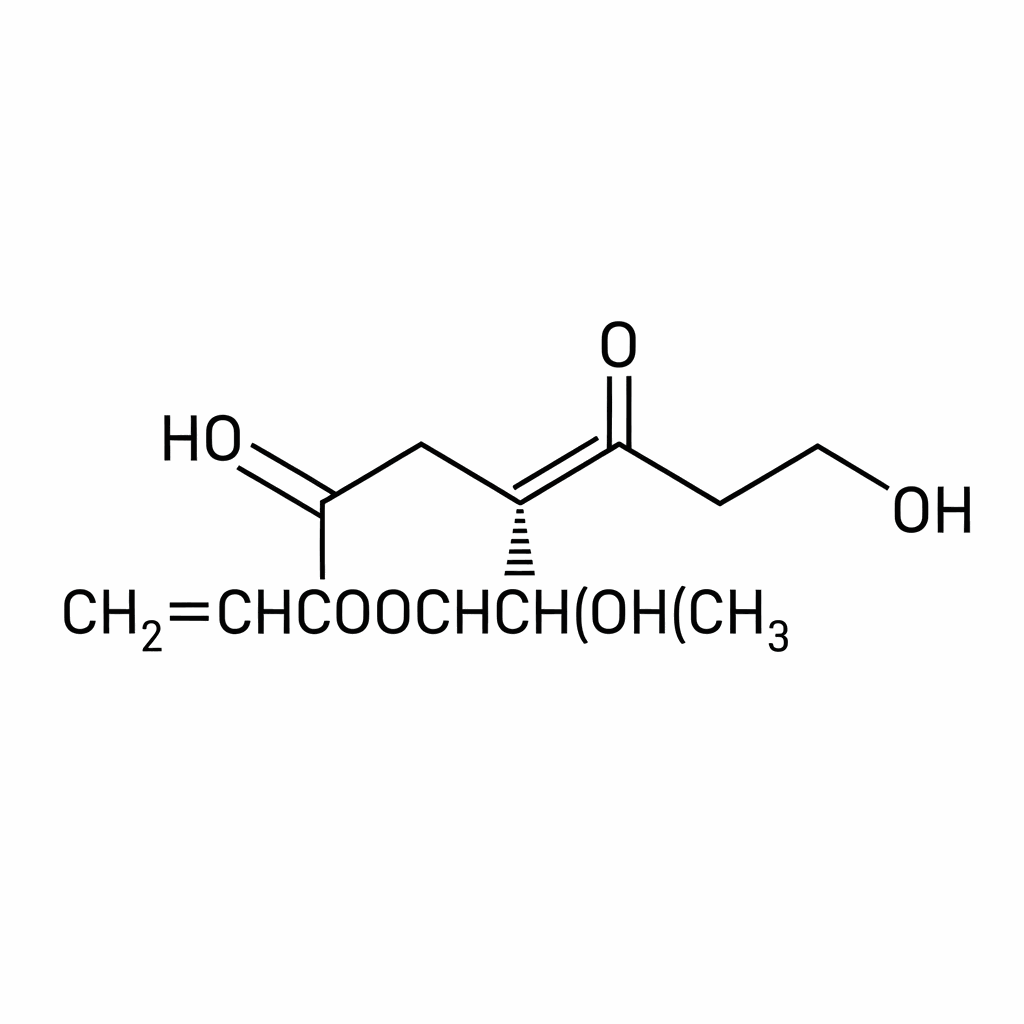
Sec-butyl acetate, systematically identified as 1-methylpropyl acetate with the CAS Registry Number 105-46-4, represents a clear, colorless liquid ester characterized by its distinctive pleasant, fruity aroma. As one of the four isomers of butyl acetate, it occupies a significant niche within the chemical industry due to its moderate volatility and excellent solvent capabilities. Structurally, it consists of an acetyl group bonded to a secondary butyl group, a configuration that imparts specific physical properties differing from its linear counterpart, n-butyl acetate. This organic compound exhibits low solubility in water but demonstrates high miscibility with a broad spectrum of organic solvents, including alcohols, ethers, and hydrocarbons. Its moderate evaporation rate makes it a versatile component in various formulations, balancing drying times and surface finish quality. Furthermore, sec-butyl acetate serves as a critical intermediate in chemical synthesis and is valued for its relatively low toxicity profile compared to some alternative oxygenated solvents utilized.

Attributes

Key Features and Benefits

  • High Solvency Power: Offers exceptional solvency for a wide variety of resins, including nitrocellulose, acrylics, epoxies, and alkyd resins.
  • Moderate Evaporation: Features an intermediate evaporation rate, which helps prevent surface defects like blushing or orange peeling during coating applications.
  • Low Water Solubility: Its hydrophobic nature ensures stability in moisture-sensitive formulations and facilitates easy separation in aqueous recovery systems.
  • Broad Compatibility: It is fully miscible with common organic solvents, allowing for flexible blending to achieve specific viscosity and drying profiles.
  • Pleasant Fragrance: The characteristic fruity odor is less pungent than other acetates, making it preferable for certain consumer-facing product applications.
Specifications

Technical Highlights

  • Molecular Formula and Weight: C6H12O2 with a molar mass of 116.16 g/mol, providing a balanced structure for solvent-solute interactions.
  • Boiling and Flash Points: Features a boiling point of 112.2°C and a flash point of 31°C (closed cup), requiring flammable storage precautions.
  • Density and Vapor Pressure: Possesses a density of 0.875 g/cm³ at 20°C and a vapor pressure of approximately 1.33 kPa at standard temperature.
  • Refractive Index and Purity: Typically maintained at a high purity of ≥99.5% with a refractive index of 1.392 to 1.395.
  • Viscosity Profile: Exhibits a low dynamic viscosity of approximately 0.70 mPa·s at 20°C, aiding in the formulation of high-solids coatings.

Download Technical Data Sheet (TDS)

Practical industry uses

Applications

  • Paint and Coating Industry: Primarily used as a solvent in nitrocellulose lacquers, polyurethane finishes, and automotive enamels for superior leveling.
  • Printing Ink Formulation: Acts as an essential component in gravure and flexographic inks, ensuring optimal drying speeds and pigment dispersion.
  • Adhesive Production: Utilized in the manufacture of solvent-based adhesives to adjust open times and improve the wetting of various substrates.
  • Pharmaceutical Processing: Serves as an extraction solvent or reaction medium in the synthesis of active pharmaceutical ingredients and specialty chemicals.
  • Fragrance and Flavor: Employed as a flavoring agent or fragrance component in cosmetic products and food additives due to its fruity profile.
Key Sectors

Target Industries

Discover more

Related products

Key Sectors

We’re Here to Support Your Chemical Sourcing Needs

Have a question or need a quote? Our team is here to help with product details, pricing, and global delivery options.

Send a message to us

Your email address will not be published. Required fields are marked *