High-Purity Solvents, Water Treatments

Sodium Dichloroisocyanurate (SDIC)

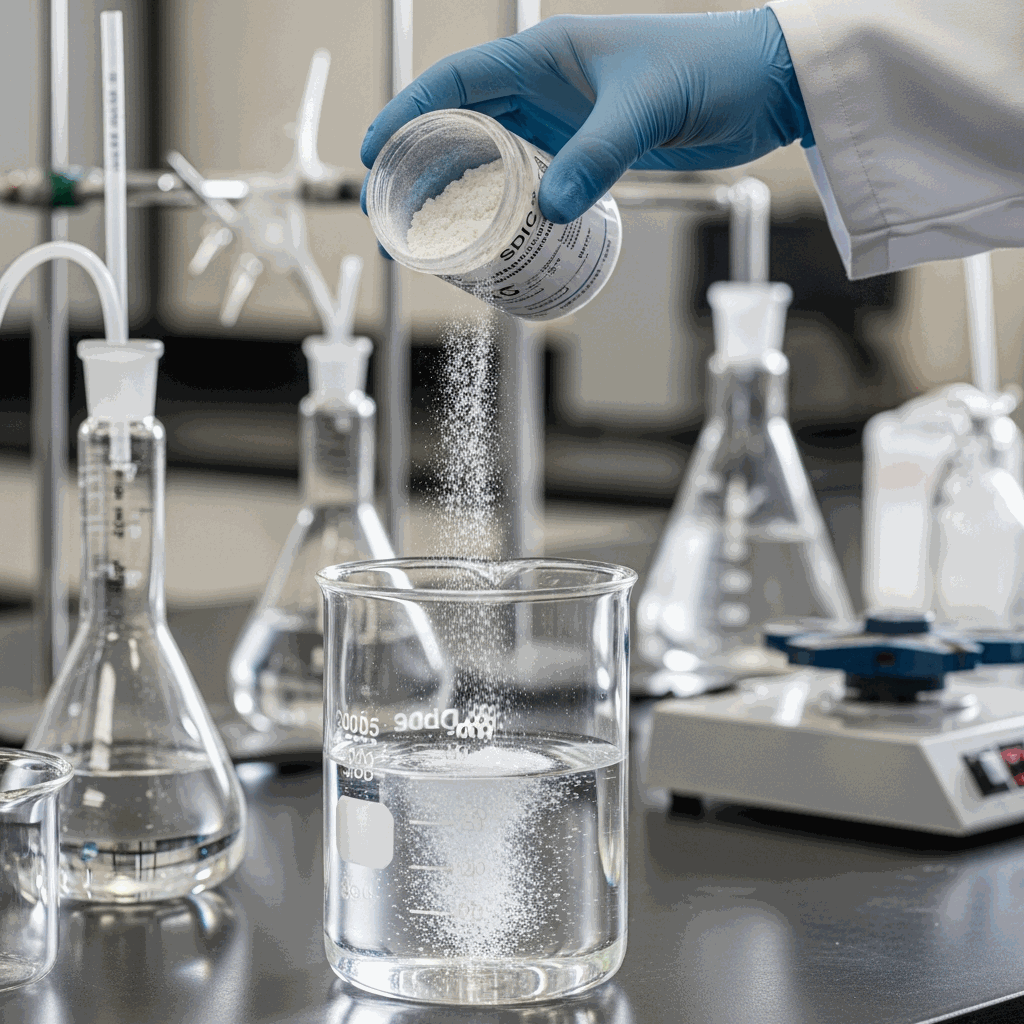
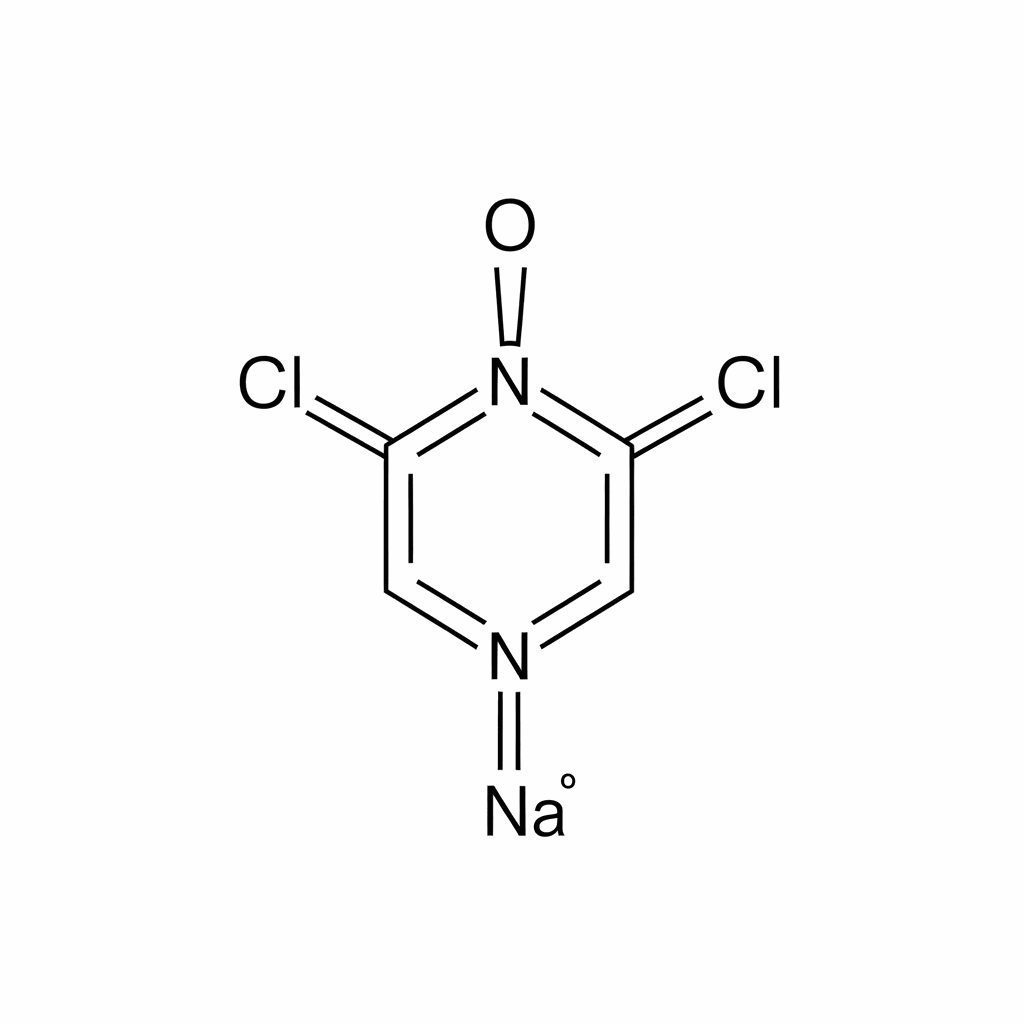
Sodium Dichloroisocyanurate (SDIC), identified by CAS number 2893-78-9, is a highly efficient, broad-spectrum disinfectant and industrial oxidant belonging to the chemical family of chlorinated isocyanurates. Physically appearing as a white crystalline powder, granule, or compressed tablet, SDIC acts as a stable and convenient source of available chlorine. When dissolved in water, it undergoes rapid hydrolysis to release hypochlorous acid (HOCl), a powerful biocidal agent that effectively neutralizes bacteria, viruses, algae, and fungi by oxidizing cellular components.

SDIC is widely preferred over liquid sodium hypochlorite due to its superior chemical stability, ease of transport, and extended shelf life. It maintains high efficacy even in hard water environments and exhibits a relatively neutral pH impact compared to other chlorinating agents. Its versatility makes it indispensable in global water treatment, institutional hygiene, and industrial processing. However, as a strong oxidizer, it requires stringent safety protocols and storage away from organic materials and acids to prevent hazardous exothermic reactions.
Attributes

Key Features and Benefits

  • High Active Chlorine: Provides a concentrated available chlorine content (typically 56% or 60%), ensuring high biocidal potency at low dosages.
  • Superior Stability: Unlike liquid bleaches, SDIC resists degradation during long-term storage and remains stable under various climatic conditions.
  • Rapid Dissolution: Dissolves quickly and completely in water, leaving no insoluble residue or turbidity in the treated system.
  • Safety and Precision: Available in granular and tablet forms, allowing for precise dosing, easier handling, and reduced risk of inhalation compared to fine powders.
  • Broad-Spectrum Efficacy: Highly effective against a diverse range of pathogens, including enteric bacteria, spores, cysts, and resistant viral strains.
Specifications

Technical Highlights

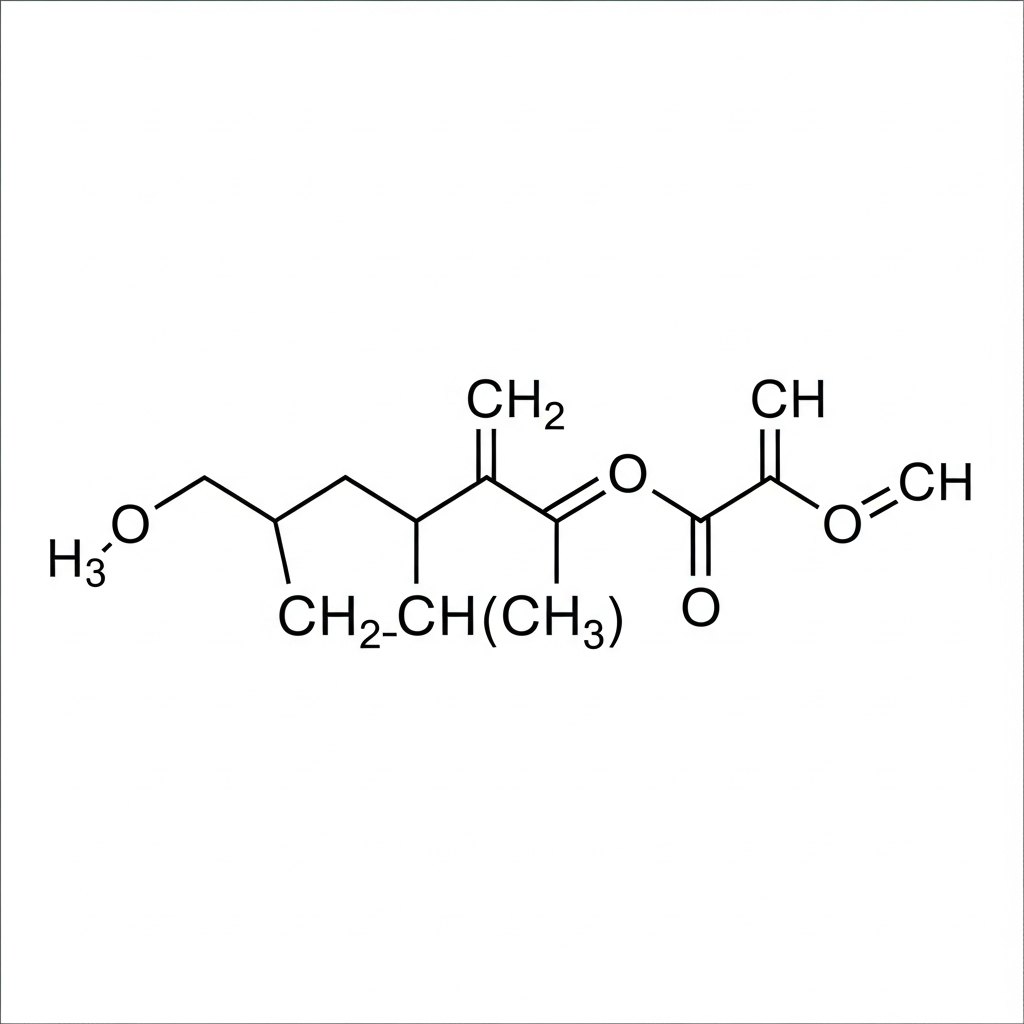
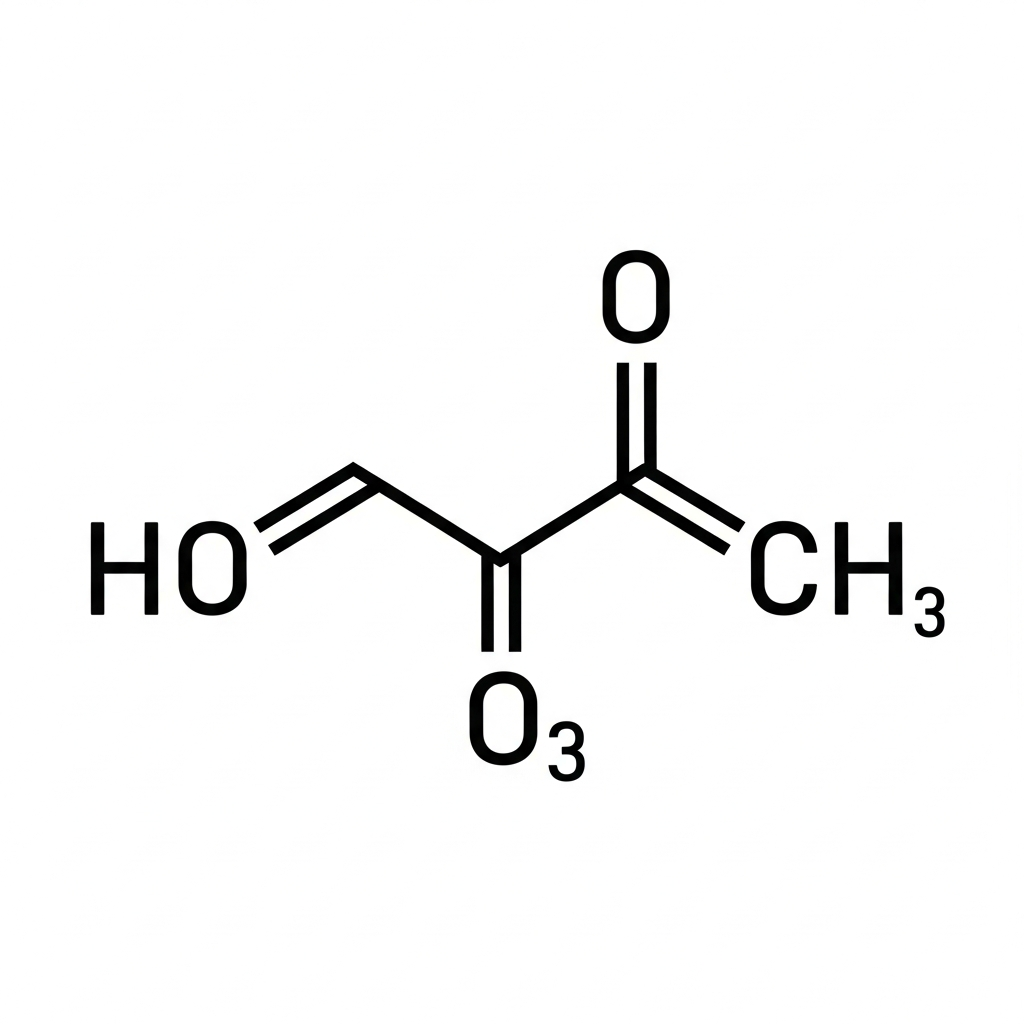
  • Chemical Formula: C3Cl2N3NaO3 (Anhydrous) or C3Cl2N3NaO3 · 2H2O (Dihydrate).
  • Available Chlorine: Standard commercial grades offer 56% (Dihydrate) or 60% (Anhydrous) available chlorine by weight.
  • pH Profile: A 1% aqueous solution typically maintains a pH between 5.5 and 7.0, which optimizes the presence of active hypochlorous acid.
  • Solubility: High water solubility (approximately 25g/100ml at 25°C).
  • Molecular Weight: 219.95 g/mol (Anhydrous).
  • Thermal Stability: Classified as a Class 5.1 Oxidizer; it remains stable under ambient temperatures but undergoes hazardous decomposition above 240°C.

Download Technical Data Sheet (TDS)

Practical industry uses

Applications

  • Water Treatment: Disinfection of municipal drinking water, swimming pools, and industrial circulating cooling water to prevent biofouling.
  • Healthcare and Sanitation: Sterilization of hospital surfaces, medical equipment, and infectious waste to maintain biosecurity.
  • Food and Beverage: Sanitization of food processing machinery, dairy equipment, and post-harvest treatment of fruits and vegetables to extend shelf life.
  • Textile and Paper: Utilized as a bleaching agent for fabrics and paper pulp to achieve high levels of whiteness without fiber damage.
  • Agriculture and Aquaculture: Disinfection of livestock housing and pond water treatment to control the spread of aquatic diseases.
  • Domestic Use: Active ingredient in household bleaching tablets, dishwashing detergents, and surface cleaners.
Key Sectors

Target Industries

Discover more

Related products

Key Sectors

We’re Here to Support Your Chemical Sourcing Needs

Have a question or need a quote? Our team is here to help with product details, pricing, and global delivery options.

Send a message to us

Your email address will not be published. Required fields are marked *