High-Purity Solvents, Personal Care

Sodium Lauryl Sulfate (SLS)

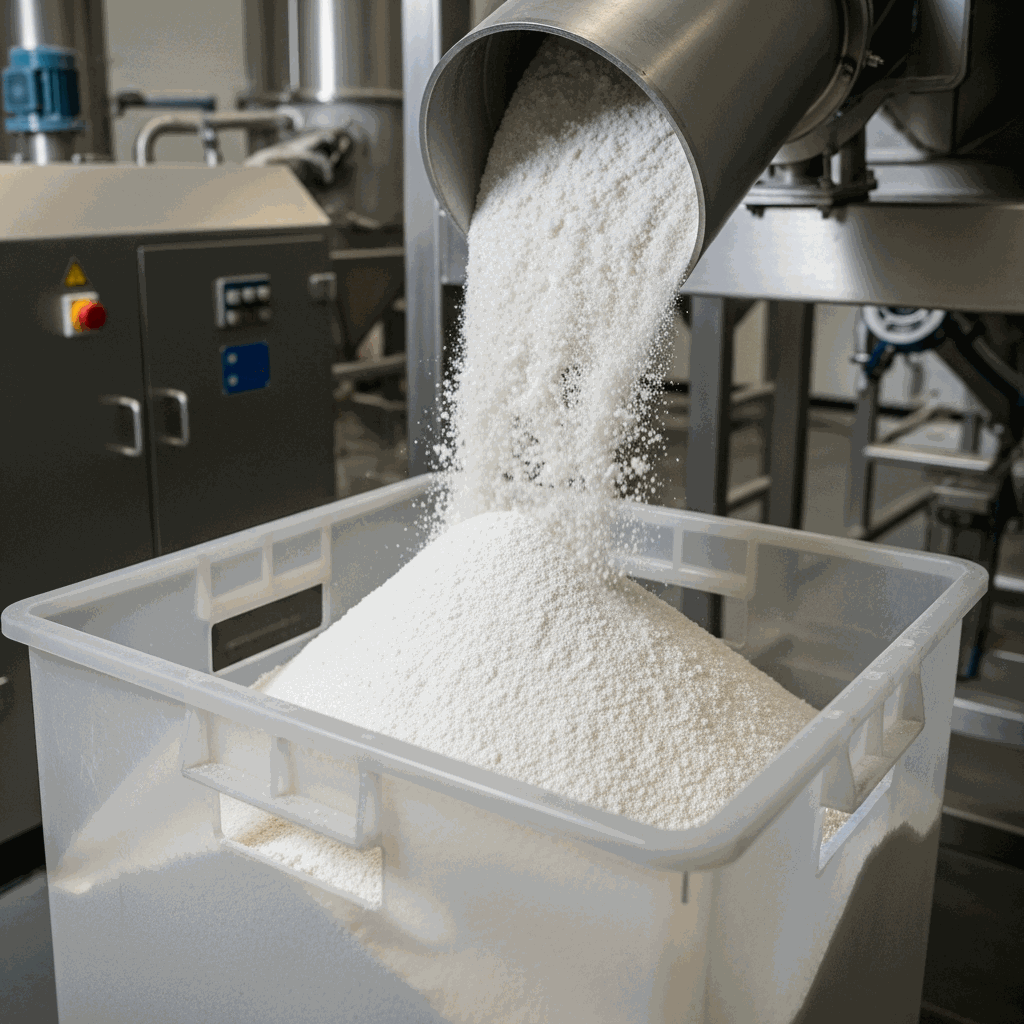
Sodium Lauryl Ether Sulfate, commonly known as SLES, is an anionic surfactant and detergent found in many personal care products such as soaps, shampoos, and toothpaste. It is an inexpensive and highly effective foaming agent derived from ethoxylated lauryl alcohol. Chemically, it consists of a hydrophobic tail and a hydrophilic head, making it ideal for lowering surface tension between liquids or between a liquid and a solid. Unlike its relative, Sodium Lauryl Sulfate (SLS), SLES undergoes a process called ethoxylation, which makes it significantly milder and less irritating to the skin and eyes. This chemical modification enhances its solubility and compatibility with other surfactants in various formulations. Due to its excellent cleansing, emulsifying, and foaming properties, SLES is a foundational ingredient in the global cosmetic and industrial cleaning industries. It is produced by reacting ethylene oxide with dodecyl alcohol followed by sulfonation and neutralization with sodium hydroxide for industrial applications.
Attributes

Key Features and Benefits

  • High foaming capacity provides rich lather in cleansing products.
  • Excellent grease-cutting properties make it a powerful degreaser.
  • Superior solubility ensures easy formulation in water-based solutions.
  • Low skin irritation profile compared to standard SLS alternatives.
  • Strong emulsification capabilities help blend oil and water.
  • Cost-effective surfactant that reduces overall production expenses.
  • Wide pH tolerance maintains performance in acidic and alkaline conditions.
  • Broad compatibility with cationic, nonionic, and other anionic surfactants.
  • Hard water resistance prevents soap scum formation.
  • Biodegradable nature supports environmentally conscious product development strategies for modern consumer brands.
  • Exceptional thickening response when combined with simple electrolytes like sodium chloride salts industrially.
Specifications

Technical Highlights

  • Appearance: Colorless to pale yellow viscous liquid or paste form.
  • Active Matter: Standard commercial grades typically range between 28% and 70%.
  • Chemical Formula: CH3(CH2)10CH2(OCH2CH2)nOSO3Na (average n is 2 or 3).
  • pH Value: Typically ranges from 7.0 to 9.5 in 10% solutions.
  • Unsulfonated Matter: Maximum 2.0% to 3.5% depending on concentration.
  • Sodium Sulfate Content: Maximum 1.5% to 5.0% relative to concentration.
  • 1,4-Dioxane Content: Strict limits maintained below 30 ppm for safety compliance.
  • Molecular Weight: Approximately 376.48 g/mol for the 2EO ethoxylation variant.
  • Solubility: Highly soluble in water at room temperature without heating.
  • Stability: Stable in acidic and alkaline media under storage.

Download Technical Data Sheet (TDS)

Practical industry uses

Applications

  • Personal Care: Primary surfactant in shampoos, body washes, and bubble baths.
  • Oral Care: Used as a foaming agent in many commercial toothpaste brands.
  • Household Cleaning: Active ingredient in dishwashing liquids and laundry detergents.
  • Industrial Cleaning: Effective degreaser for metal surfaces and engine maintenance.
  • Textile Industry: Used as a wetting and scouring agent during processing.
  • Leather Industry: Employed as an emulsifier in leather degreasing operations.
  • Construction: Air-entraining agent for concrete to improve durability and workability.
  • Agriculture: Wetting agent and emulsifier for pesticide and herbicide formulations.
  • Cosmetics: Integrated into facial cleansers, shaving creams, and liquid soaps.
  • Printing Inks: Dispersant in specialty inks.
Key Sectors

Target Industries

Discover more

Related products

Key Sectors

We’re Here to Support Your Chemical Sourcing Needs

Have a question or need a quote? Our team is here to help with product details, pricing, and global delivery options.

Send a message to us

Your email address will not be published. Required fields are marked *