High-Purity Solvents, Personal Care

Sodium Tripolyphosphate (STPP)

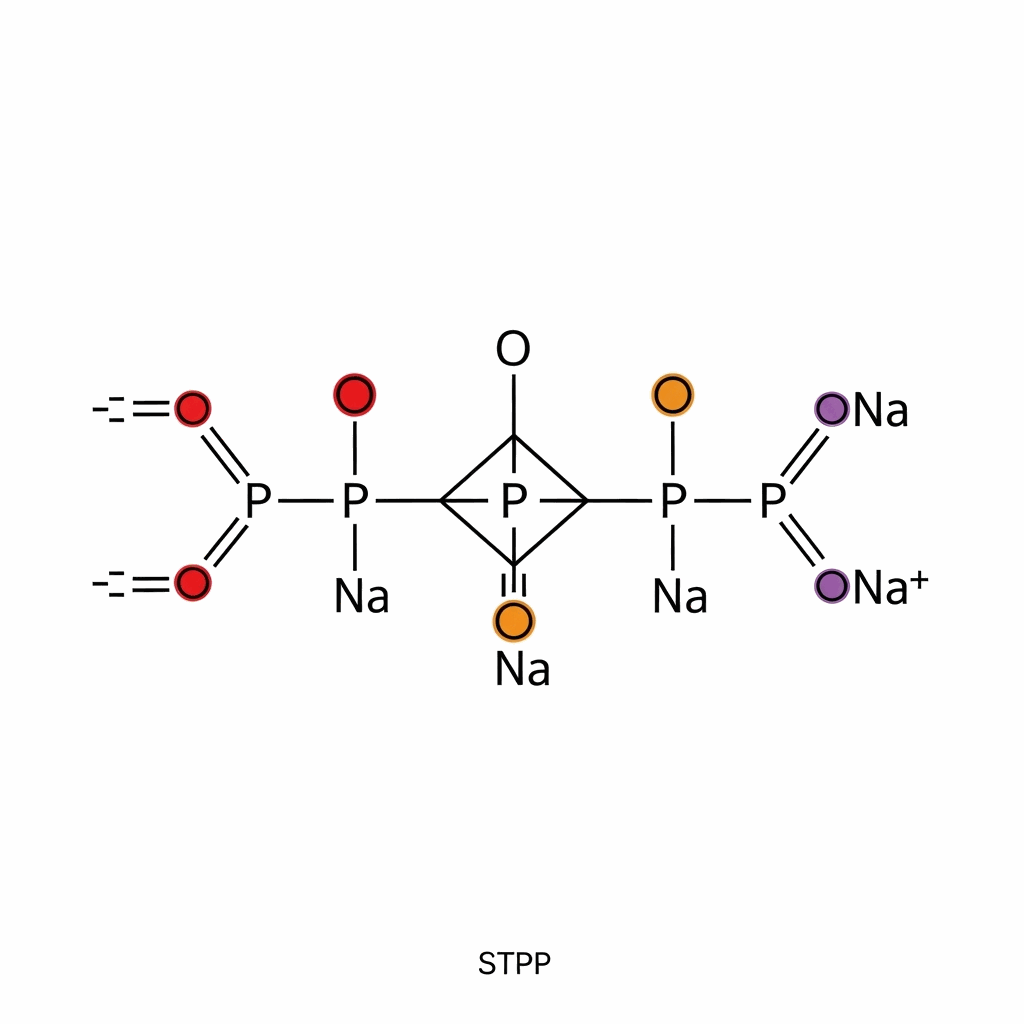
Sodium Tripolyphosphate (STPP), identified by CAS number 7758-29-4, is a versatile inorganic polyphosphate compound with the chemical formula $Na_5P_3O_{10}$. It is produced industrially by the neutralized heating of orthophosphoric acid with sodium carbonate or sodium hydroxide. STPP typically appears as a white, odorless, crystalline powder or granular material. Its primary chemical utility stems from its high affinity for multivalent metal cations, making it an exceptional sequestering and chelating agent. Historically, STPP has been the cornerstone “builder” in synthetic detergents, significantly enhancing cleaning efficiency by softening hard water. Beyond detergents, it serves critical roles in food preservation, ceramics, and water treatment. While highly effective, its use in consumer detergents has faced regulatory scrutiny in several regions due to its role in nutrient loading and eutrophication in aquatic ecosystems. Despite this, it remains an essential industrial chemical globally due to its unique ability to disperse solids, buffer pH, and stabilize emulsions.

Attributes

Key Features and Benefits

  • Superior Sequestration: Effectively binds calcium ($Ca^{2+}$) and magnesium ($Mg^{2+}$) ions, preventing lime scale formation and enhancing surfactant performance in hard water.
  • Excellent Dispersing Power: Acts as a deflocculant by increasing the negative surface charge of particles, preventing soil redeposition on fabrics or surfaces.
  • pH Buffering: Maintains an alkaline environment (typically pH 9-10), which is optimal for grease saponification and protein removal.
  • Moisture Retention: In food-grade applications, it increases the water-holding capacity of proteins, improving the texture and yield of meat and seafood.
  • Synergistic Effects: Enhances the performance of anionic surfactants, reducing the total volume of chemicals required for cleaning.
Specifications

Technical Highlights

  • Molecular Weight: 367.86 g/mol.
  • Solubility: Highly soluble in water (~14.5 g/100 mL at 25°C), with solubility increasing significantly at higher temperatures.
  • Phase Polymorphism: Exists in two crystalline forms: Phase I (high-temperature, fast-hydrating) and Phase II (low-temperature, slow-hydrating), allowing for specific selection based on manufacturing requirements.
  • Hydrolytic Stability: While stable in dry conditions, STPP slowly hydrolyzes into pyrophosphate and orthophosphate in the presence of moisture or acidic environments.
  • Purity Standards: Available in technical grade for industrial use and Food Grade (FCC/E451) compliant with global safety standards for human consumption.
  • Bulk Density: Typically ranges from 0.7 to 1.0 g/cm³ depending on the physical form (granular vs. powder).

Download Technical Data Sheet (TDS)

Practical industry uses

Applications

  • Cleaning and Detergents: Used as a primary builder in laundry powders, dishwashing detergents, and industrial cleaners to improve soil suspension.
  • Food Industry: Applied as a preservative and texturizer in processed seafood, poultry, and meat to retain moisture and prevent rancidity.
  • Ceramic Production: Functions as a potent deflocculant in ceramic slips, reducing viscosity and water requirements during processing.
  • Water Treatment: Utilized for scale inhibition and corrosion control in industrial boilers and municipal water systems.
  • Leather Tanning: Acts as a pre-tanning agent and buffering medium to improve the penetration of tanning salts.
  • Paints and Coatings: Serves as a pigment dispersant to ensure uniform color distribution and shelf stability.
Key Sectors

Target Industries

Discover more

Related products

Key Sectors

We’re Here to Support Your Chemical Sourcing Needs

Have a question or need a quote? Our team is here to help with product details, pricing, and global delivery options.

Send a message to us

Your email address will not be published. Required fields are marked *