Bio - Based / Green Solvents, High-Purity Solvents

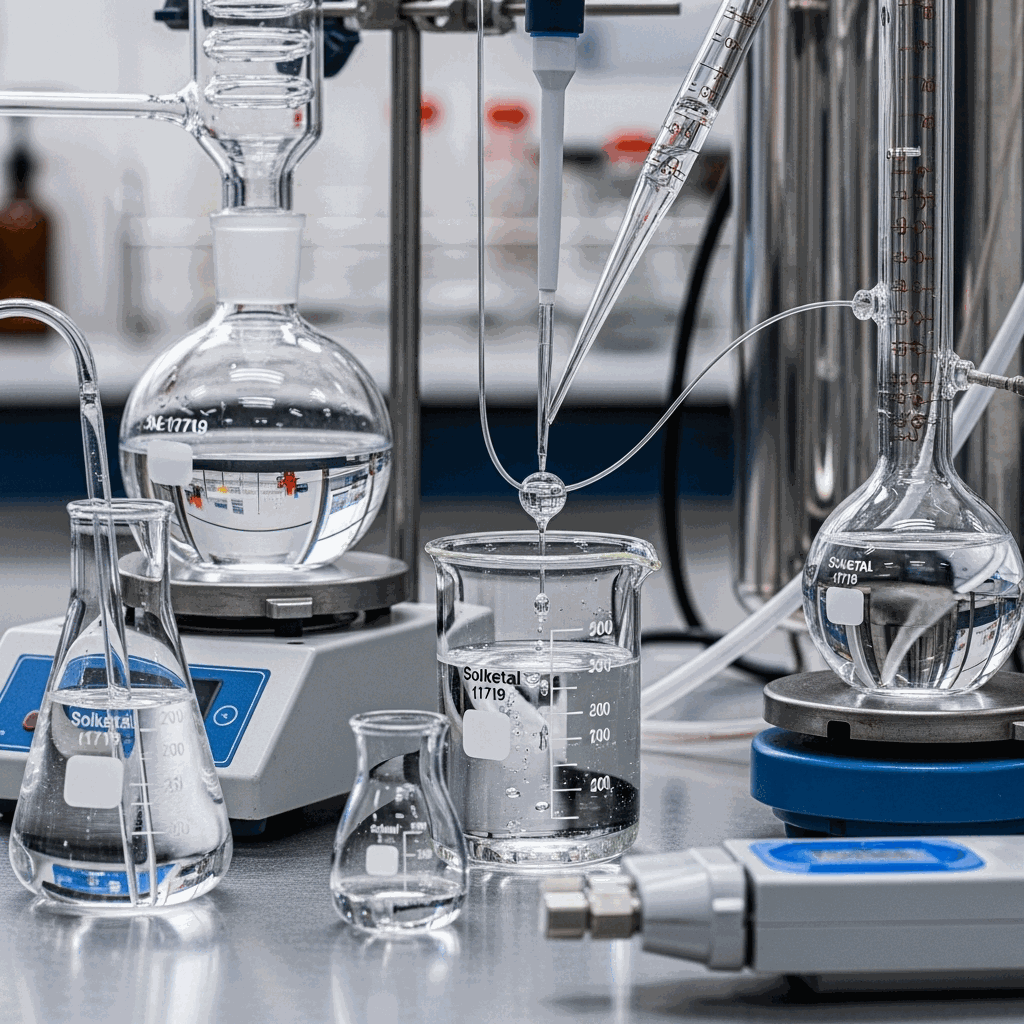
Solketal (1719)

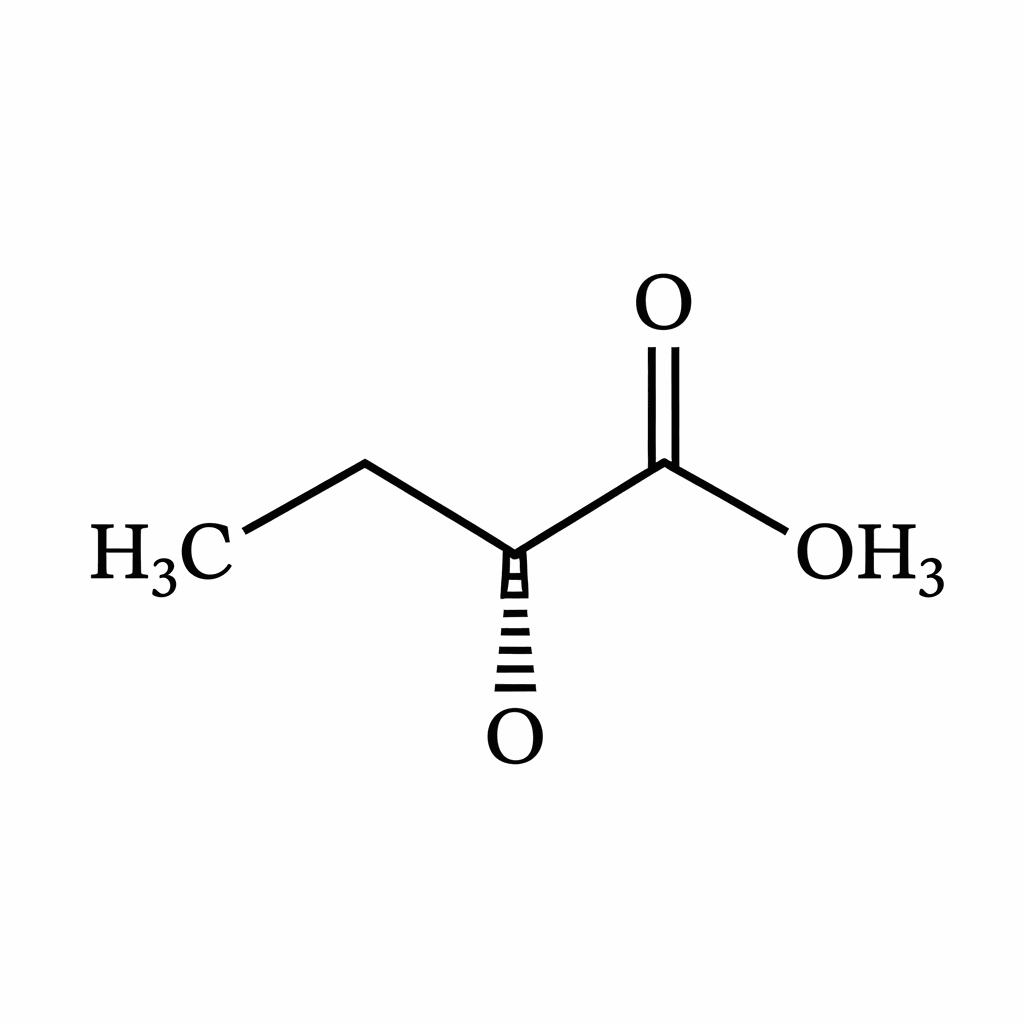
Solketal, known chemically as 2,2-dimethyl-1,3-dioxolane-4-methanol, is a versatile heterocyclic compound derived from the condensation of glycerol with acetone. As a chiral acetal, it serves as a crucial protected form of glycerol, exhibiting a unique molecular structure that features a five-membered dioxolane ring. This colorless, hygroscopic liquid is highly valued in green chemistry due to its bio-based origins, specifically being a primary derivative of crude glycerol, a byproduct of biodiesel production. Solketal possesses remarkable solvent properties, characterized by its high boiling point, low toxicity, and complete miscibility with water and common organic solvents. Its chemical stability under basic and neutral conditions makes it an excellent intermediate for synthesizing various polymers, surfactants, and pharmaceutical intermediates. The presence of a primary hydroxyl group allows for further functionalization, while the acetal linkage provides a stable yet reversible protection mechanism, which is critical in multi-step organic synthesis and high-performance chemical manufacturing processes today globally now.

Attributes

Key Features and Benefits

  • Bio-based Origin: Derived from glycerol, it is a sustainable, renewable building block for various green chemical applications.
  • Low Volatility: Characterized by a high boiling point and low vapor pressure, reducing VOC emissions in industrial processes.
  • Excellent Solvency: Acts as a powerful solvent for resins, oils, and polymers due to its polar nature and compatibility.
  • Chemical Stability: Remains stable under alkaline conditions, protecting the glycerol backbone during complex chemical reactions and processing stages.
  • Environmental Safety: Exhibits low toxicity profiles and high biodegradability, making it a safer alternative to traditional petrochemical solvents.
Specifications

Technical Highlights

  • Chemical Formula and Mass: C6H12O3 with a molecular weight of 132.16 g/mol, ensuring consistent stoichiometric calculations in manufacturing.
  • Boiling Point: Approximately 188-191°C at atmospheric pressure, providing a wide liquid range for diverse high-temperature reaction environments.
  • Solubility Profile: Fully miscible in water, alcohols, ethers, and hydrocarbons, facilitating versatile formulation across different chemical phase systems.
  • Density and Refractive Index: Typically displays a density of 1.06 g/cm³ and a refractive index of 1.43, essential for quality control.
  • Flash Point: High flash point of 80°C (closed cup), enhancing safety during storage, handling, and transportation in industrial facilities.

Download Technical Data Sheet (TDS)

Practical industry uses

Applications

  • Biodiesel Additive: Used as a fuel oxygenate to reduce viscosity and improve cold-flow properties in modern diesel engine fuels.
  • Pharmaceutical Synthesis: Serves as a key intermediate for the production of mono-, di-, and triglycerides and complex chiral drugs.
  • Polymer Industry: Employed as a plasticizer and monomer in the development of sustainable polyesters and specialized coating resins.
  • Industrial Solvent: Utilized in paint strippers, cleaners, and printing inks due to its high efficacy and favorable environmental profile.
  • Personal Care: Integrated into cosmetic formulations as a humectant and solvent for fragrances, providing non-irritating, bio-derived product benefits.
Key Sectors

Target Industries

Discover more

Related products

Key Sectors

We’re Here to Support Your Chemical Sourcing Needs

Have a question or need a quote? Our team is here to help with product details, pricing, and global delivery options.

Send a message to us

Your email address will not be published. Required fields are marked *