High-Purity Solvents, Polyurethane (PU) and Resin

Styrene

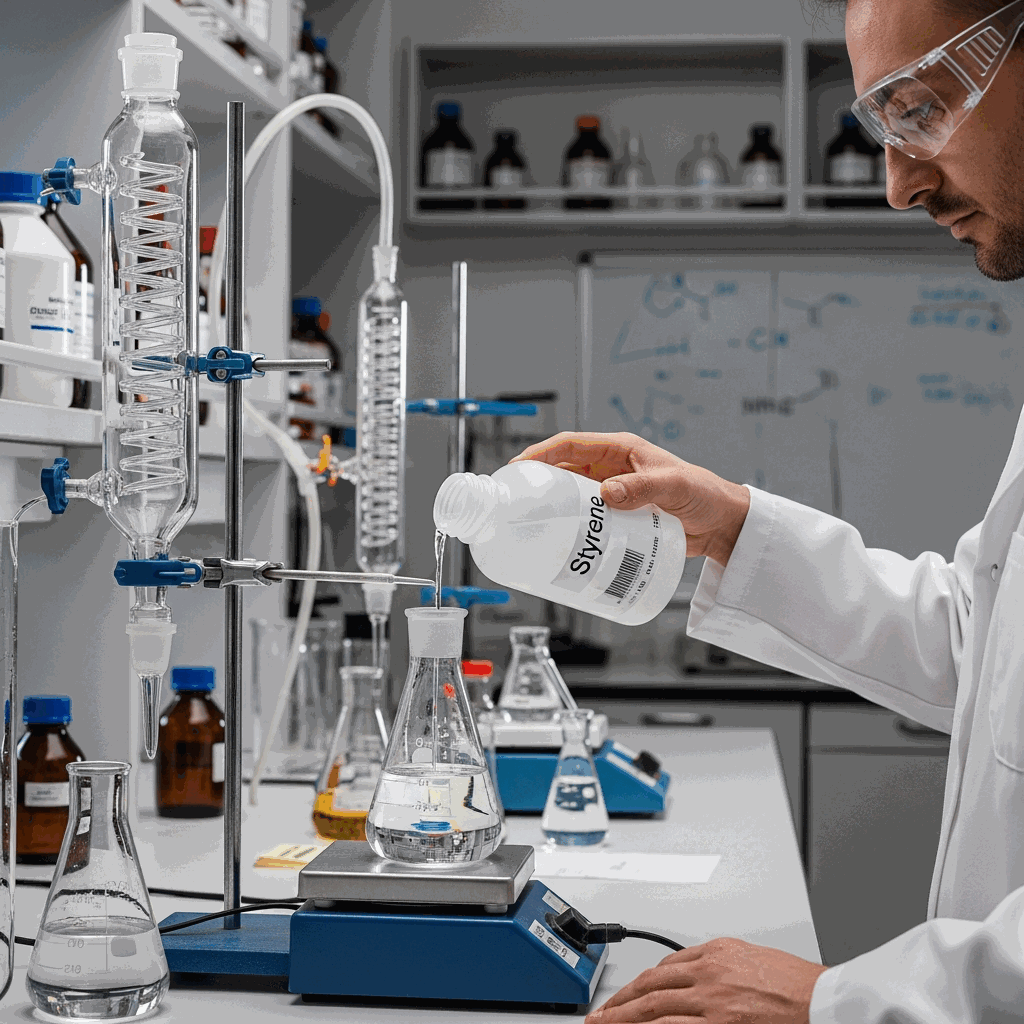
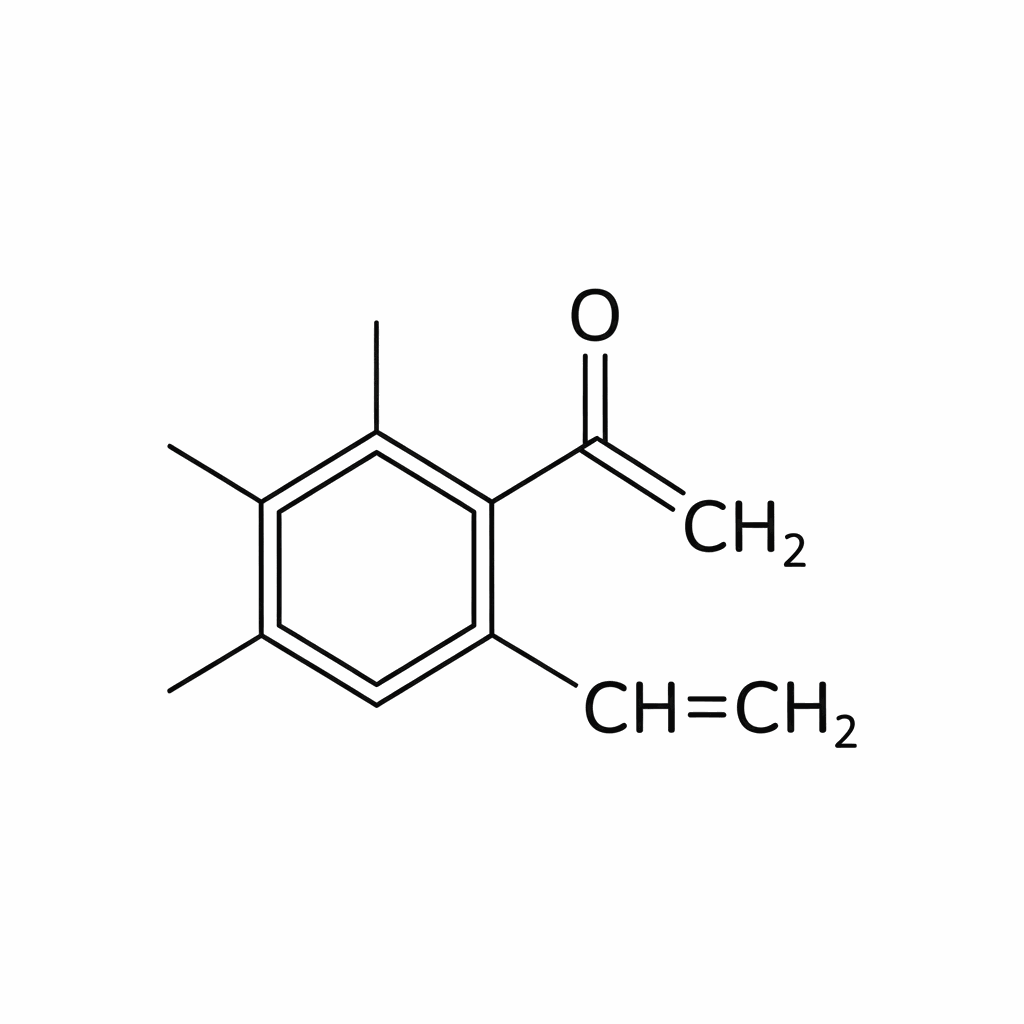
Styrene, also known as ethenylbenzene or vinylbenzene (CAS: 100-42-5), is a foundational organic compound in the global petrochemical industry. It is a colorless, oily liquid characterized by a distinct, sweet aromatic odor at low concentrations, though it becomes pungent at higher levels. Historically produced via the catalytic dehydrogenation of ethylbenzene, styrene serves as the essential monomer for a vast array of homopolymers and copolymers. Its chemical structure features a benzene ring attached to a vinyl group, making it highly reactive and prone to spontaneous polymerization. To ensure safe transport and storage, it is typically treated with polymerization inhibitors such as 4-tert-butylcatechol (TBC). While styrene is indispensable for modern materials science—bridging the gap between crude oil derivatives and consumer plastics—it requires rigorous industrial hygiene. It is classified as a flammable liquid and is recognized by the IARC as a Group 1 carcinogen, necessitating stringent regulatory compliance and environmental monitoring.
Attributes

Key Features and Benefits

  • Polymerization Versatility: Readily undergoes radical, anionic, and cationic polymerization, allowing for the creation of diverse plastic and rubber formulations.
  • Optical Clarity: Provides high transparency and surface gloss in polystyrene, making it ideal for consumer aesthetics and visibility.
  • Structural Rigidity: Enhances the dimensional stability, hardness, and impact resistance of copolymers like ABS and SAN.
  • Low Viscosity: Its liquid state at room temperature facilitates easy handling and efficient processing in injection molding and extrusion.
  • Thermal Insulation: Enables the production of expanded foams (EPS) with exceptionally low thermal conductivity.
  • Economic Scalability: High-volume production pathways ensure cost-effectiveness for mass-market manufacturing applications.
Specifications

Technical Highlights

  • Molecular Profile: Chemical formula $C_8H_8$ with a molecular weight of 104.15 g/mol.
  • Volatility: Vapor pressure of 5 mmHg at 20°C, requiring sealed systems to manage volatile organic compound (VOC) emissions.
  • Flammability Data: Flash point of 31°C (88°F) and an auto-ignition temperature of 490°C; classified as a Class IC flammable liquid.
  • Solubility: Negligible solubility in water (approx. 0.03%), but exhibits high miscibility with organic solvents such as acetone, ether, and ethanol.
  • Boiling/Melting Point: Boils at 145°C and freezes at -30.6°C.
  • Stabilization: Typically requires 10–50 ppm of TBC inhibitor to prevent hazardous exothermic autopolymerization during storage.

Download Technical Data Sheet (TDS)

Practical industry uses

Applications

  • Polystyrene (PS): Production of GPPS and HIPS for food packaging, laboratory ware, and consumer electronics.
  • Acrylonitrile Butadiene Styrene (ABS): Manufacturing of durable automotive components, toy building blocks, and appliance housings.
  • Unsaturated Polyester Resins (UPR): Serves as a reactive diluent for fiberglass-reinforced plastics (FRP) used in boat hulls and wind turbine blades.
  • Synthetic Rubber (SBR): Critical component in the production of automotive tires, conveyor belts, and footwear soles.
  • Expandable Polystyrene (EPS): Utilized extensively for building insulation boards and protective “Styrofoam” packaging.
  • Styrene-Acrylonitrile (SAN): Used in chemical-resistant kitchenware, medical syringes, and cosmetic containers.
  • Benzoic Acid
Key Sectors

Target Industries

Discover more

Related products

Key Sectors

We’re Here to Support Your Chemical Sourcing Needs

Have a question or need a quote? Our team is here to help with product details, pricing, and global delivery options.

Send a message to us

Your email address will not be published. Required fields are marked *