High-Purity Solvents, Water Treatments

Sulfamic Acid

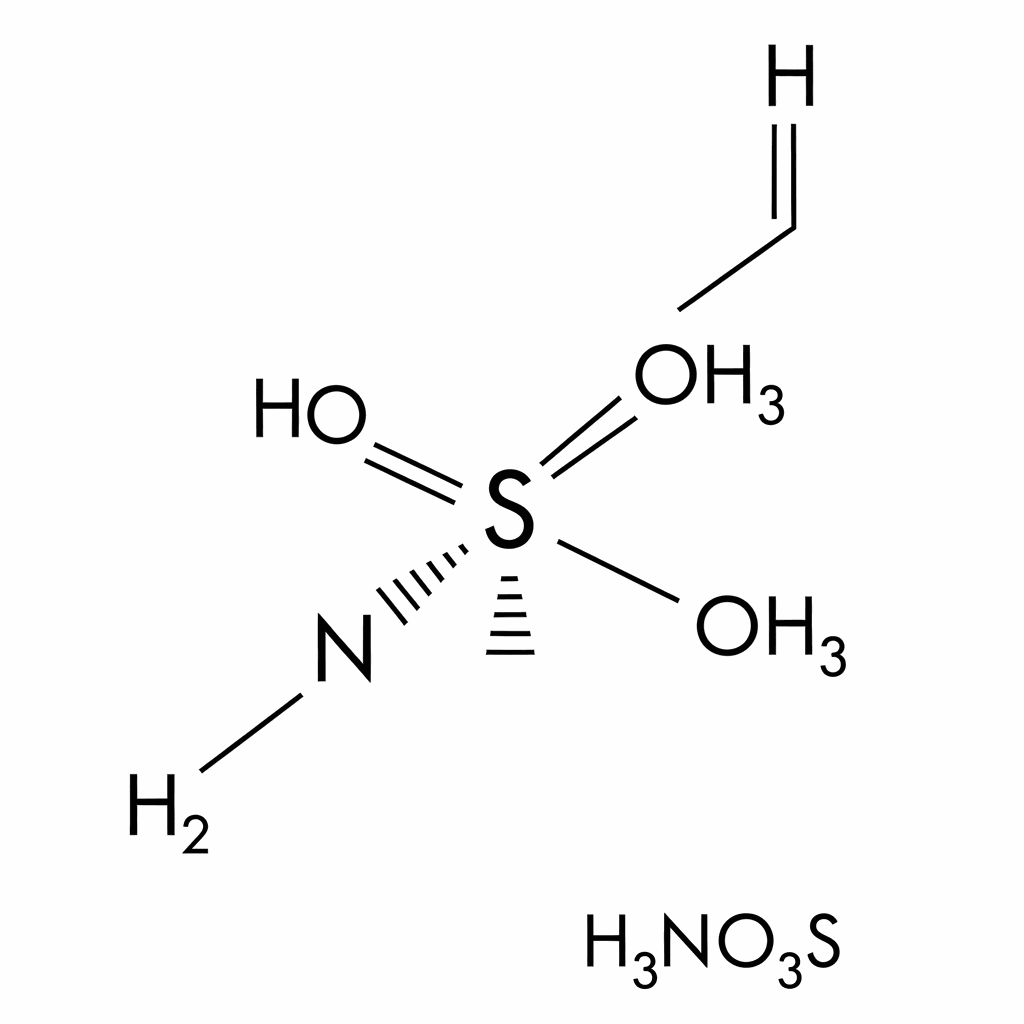
Sulfamic acid, also known as amidosulfonic acid, is a colorless, water-soluble compound with the chemical formula H3NSO3. It exists as a dry crystalline solid, making it significantly safer and easier to handle than liquid mineral acids like hydrochloric or sulfuric acid. This zwitterionic compound serves as an intermediate between sulfuric acid and sulfamide, exhibiting strong acidic properties when dissolved in water. Its non-volatile nature and long shelf life enhance its utility across various industrial sectors. Primarily recognized for its efficiency in descaling operations, it effectively removes calcium, magnesium, and iron oxide deposits without causing excessive corrosion to metallic surfaces. Furthermore, sulfamic acid plays a vital role in chemical synthesis, acting as a precursor to sweeteners like sodium cyclamate and various dyes. Its ability to remain stable under ambient conditions while providing high reactivity in solution makes it an indispensable reagent in both laboratory settings and large-scale manufacturing processes

Attributes

Key Features and Benefits

  • High safety profile as a non-volatile, odorless crystalline solid.
  • Superior descaling efficiency against carbonate and phosphate scales.
  • Reduced corrosiveness to stainless steel and copper compared to hydrochloric acid.
  • Compatible with various corrosion inhibitors for enhanced metal protection.
  • Excellent shelf stability and ease of storage in dry conditions.
  • Rapidly soluble in water, allowing for precise concentration control.
  • Cost-effective alternative for industrial cleaning and maintenance tasks.
  • Environmentally manageable with lower toxicity than concentrated liquid mineral acids.
  • Minimal fuming during application ensures a safer working environment for operators in confined spaces.
  • Versatile pH adjustment capabilities across diverse aqueous systems requiring reliable, strong acidity.
Specifications

Technical Highlights

  • Molecular Weight: 97.10 g/mol.
  • Melting Point: 205 degrees Celsius (decomposition starts).
  • Solubility: 213 g/L in water at 20 degrees Celsius.
  • pH: 1.18 for a 1% aqueous solution at room temperature.
  • Density: 2.15 g/cm3 in its solid crystalline form.
  • Chemical Structure: Orthofhombic crystals with zwitterionic molecular arrangements.
  • Dissociation Constant: Strong monobasic acid with a pKa of approximately 1.0.
  • Stability: Highly stable when kept dry; hydrolyzes slowly to ammonium bisulfate in hot aqueous solutions.
  • Reactivity: Reacts with metal oxides, carbonates, and hydroxides to form highly soluble sulfamate salts.
  • It is an excellent primary standard for acid-base titrations due to its high purity.

Download Technical Data Sheet (TDS)

Practical industry uses

Applications

  • Industrial Descaling: Removes scale from boilers, heat exchangers, and cooling towers.
  • Household Cleaners: Primary active ingredient in many domestic descalers and toilet cleaners.
  • Pulp and Paper: Used for bleaching wood pulp and removing lime scale.
  • Metal Finishing: Effective for pickling and cleaning metallic surfaces before electroplating or painting.
  • Chemical Synthesis: Key intermediate for producing artificial sweeteners and flame retardants.
  • Agriculture: Used as a herbicide and in the formulation of various agricultural chemicals.
  • Plastic Industry: Acts as a curing agent for urea-formaldehyde resins.
  • Dyeing: Standardizes dye solutions and facilitates color fixation processes.
  • Essential for stabilizing chlorine in swimming pools and spas.
Key Sectors

Target Industries

Discover more

Related products

Key Sectors

We’re Here to Support Your Chemical Sourcing Needs

Have a question or need a quote? Our team is here to help with product details, pricing, and global delivery options.

Send a message to us

Your email address will not be published. Required fields are marked *