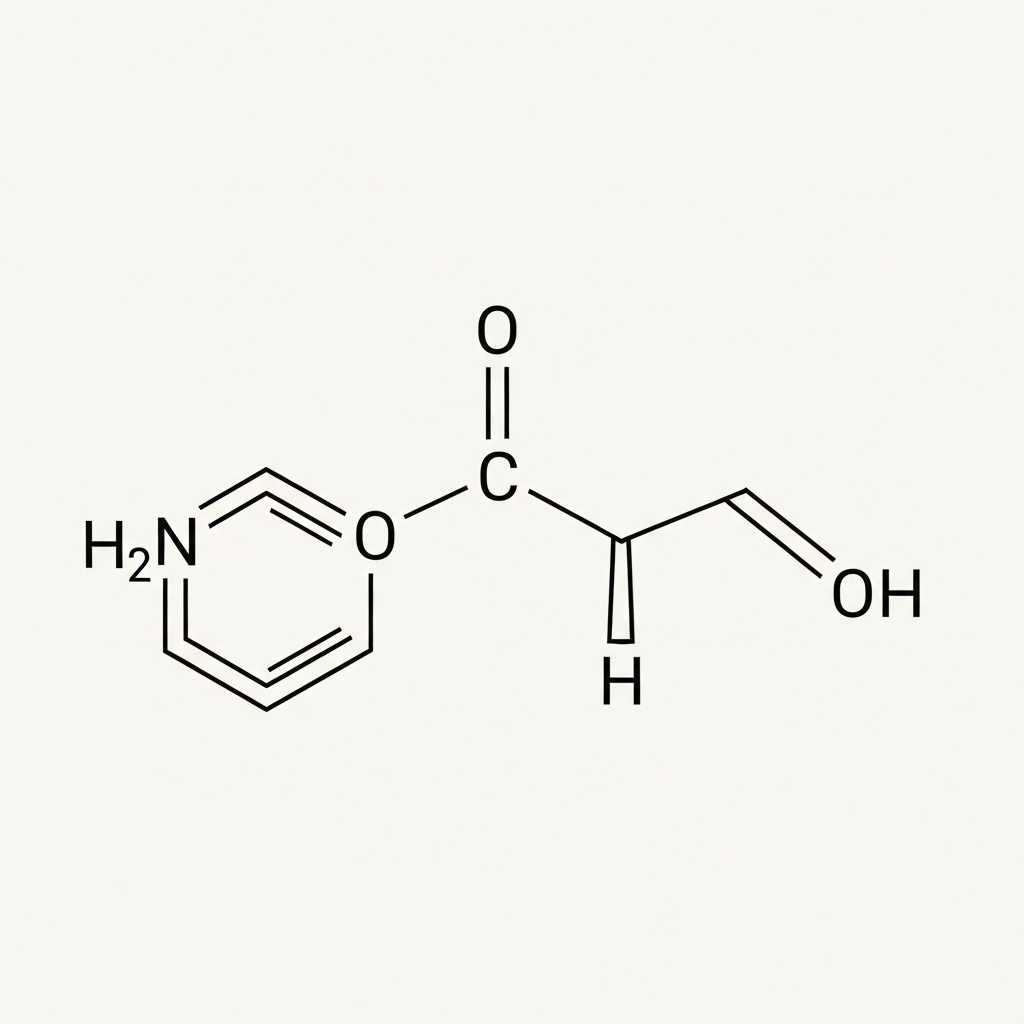
Acrylates, High-Purity Solvents

Tertiary Butyl Acrylate

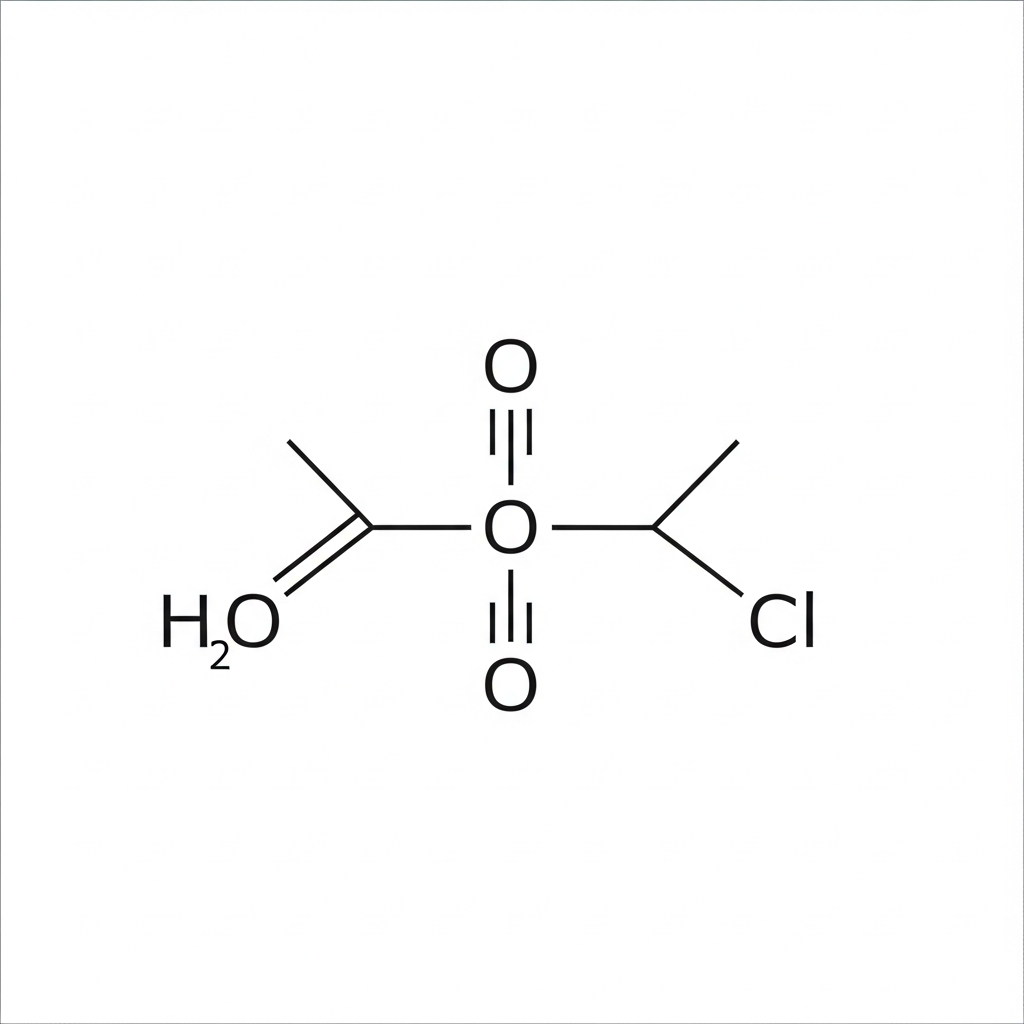
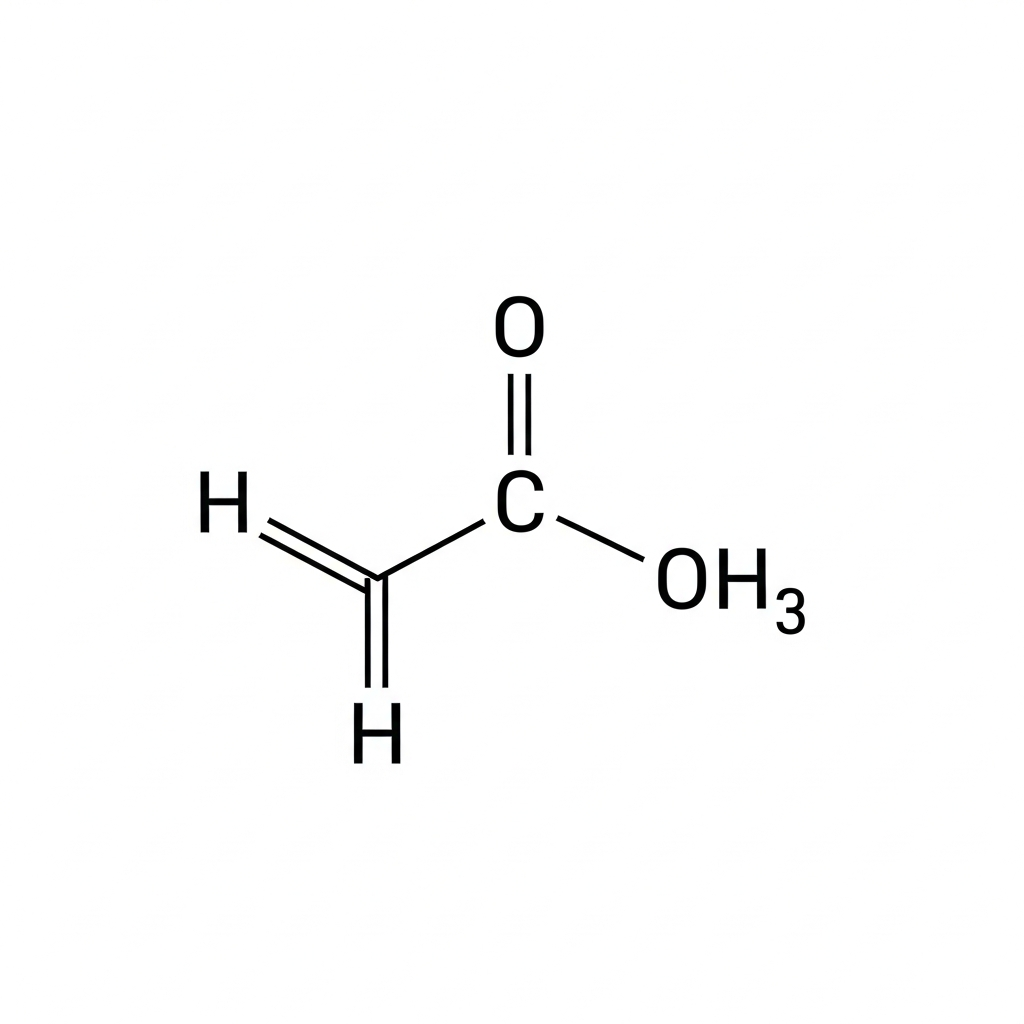
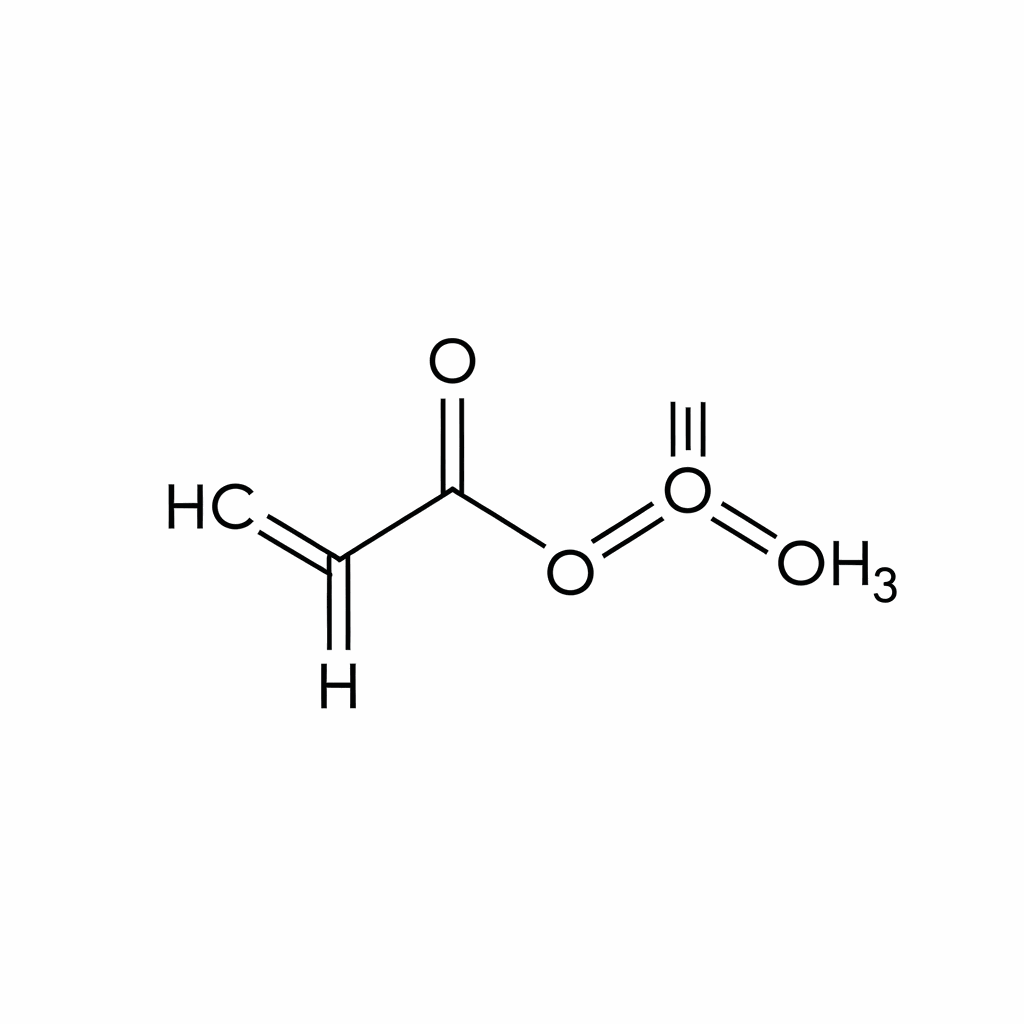
Tertiary Butyl Acrylate, identified by CAS number 1663-39-4, is a clear, colorless liquid ester that belongs to the acrylate family, characterized by its distinctive pungent odor and low viscosity. It is synthesized through the acid-catalyzed esterification of acrylic acid with isobutylene, resulting in a monomer with a bulky tertiary butyl group. This specific branched structure significantly influences its reactivity and the physical properties of the resulting polymers, particularly by providing a high glass transition temperature compared to its linear counterparts. Due to its hydrophobic nature and excellent chemical resistance, tertiary butyl acrylate serves as a versatile building block in radical polymerization processes. It is inherently prone to spontaneous polymerization, requiring stabilization with inhibitors like hydroquinone monomethyl ether for safe storage and transport. Its unique chemical profile allows for the production of polymers with tailored rigidity and adhesion, making it indispensable in modern chemical manufacturing, specialty coatings, and advanced material science.

Attributes

Key Features and Benefits

  • High Reactivity: The monomer exhibits rapid polymerization rates via free-radical initiators, enabling efficient high-yield industrial production cycles.
  • Thermal Stability: Polymers derived from tBA demonstrate exceptional thermal resistance, maintaining structural integrity under high-temperature processing conditions.
  • Steric Hindrance: The bulky tertiary-butyl side group provides significant steric hindrance, influencing the polymer morphology and overall chain flexibility.
  • Chemical Resistance: It offers superior resistance to hydrolysis and weathering, ensuring the longevity of coatings in harsh environmental exposures.
  • Hydrophobicity: The non-polar nature of the tert-butyl group imparts excellent water-repelling characteristics to the synthesized copolymers and resins.
Specifications

Technical Highlights

  • Molecular Formula: The chemical composition is represented as C7H12O2 with a precise molecular weight of 128.17 grams per mole.
  • Boiling Point: This monomer features a boiling point of approximately 121 degrees Celsius at standard atmospheric pressure for high purity.
  • Flash Point: With a flash point around 17 degrees Celsius, it is classified as a highly flammable liquid requiring explosion-proof handling.
  • Glass Transition: The homopolymer possesses a glass transition temperature (Tg) of approximately 45 to 50 degrees Celsius for mechanical rigidity.
  • Specific Gravity: It exhibits a density of 0.875 g/cm3 at 20 degrees Celsius, facilitating accurate volumetric measurements in chemical batching.

Download Technical Data Sheet (TDS)

Practical industry uses

Applications

  • Automotive Coatings: Used in high-performance clear coats to enhance scratch resistance and maintain a high-gloss finish on vehicle surfaces.
  • Pressure Sensitive Adhesives: Incorporating tBA improves the tackiness and shear strength of adhesives used in medical tapes and labels.
  • Textile Auxiliaries: Applied in fabric finishes to provide water repellency and increase the durability of industrial and outdoor garments.
  • Polymer Synthesis: Serves as a crucial comonomer in the production of specialty acrylic resins for electronics and optics manufacturing.
  • Chemical Intermediates: Utilized as a precursor in the synthesis of complex organic molecules and functionalized polymeric materials for research.
Key Sectors

Target Industries

Discover more

Related products

Key Sectors

We’re Here to Support Your Chemical Sourcing Needs

Have a question or need a quote? Our team is here to help with product details, pricing, and global delivery options.

Send a message to us

Your email address will not be published. Required fields are marked *