BDO and Its Derivatives, High-Purity Solvents

Tetrahydrofuran(THF)

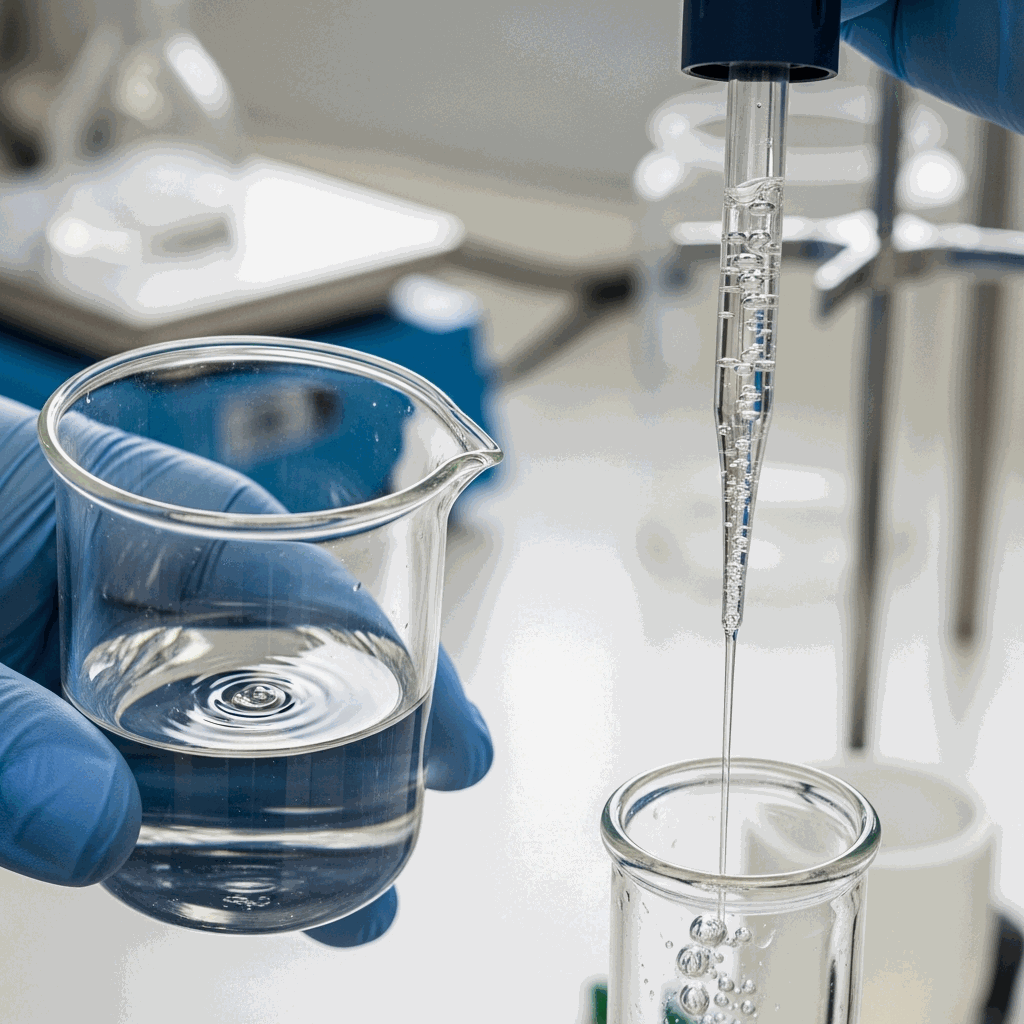
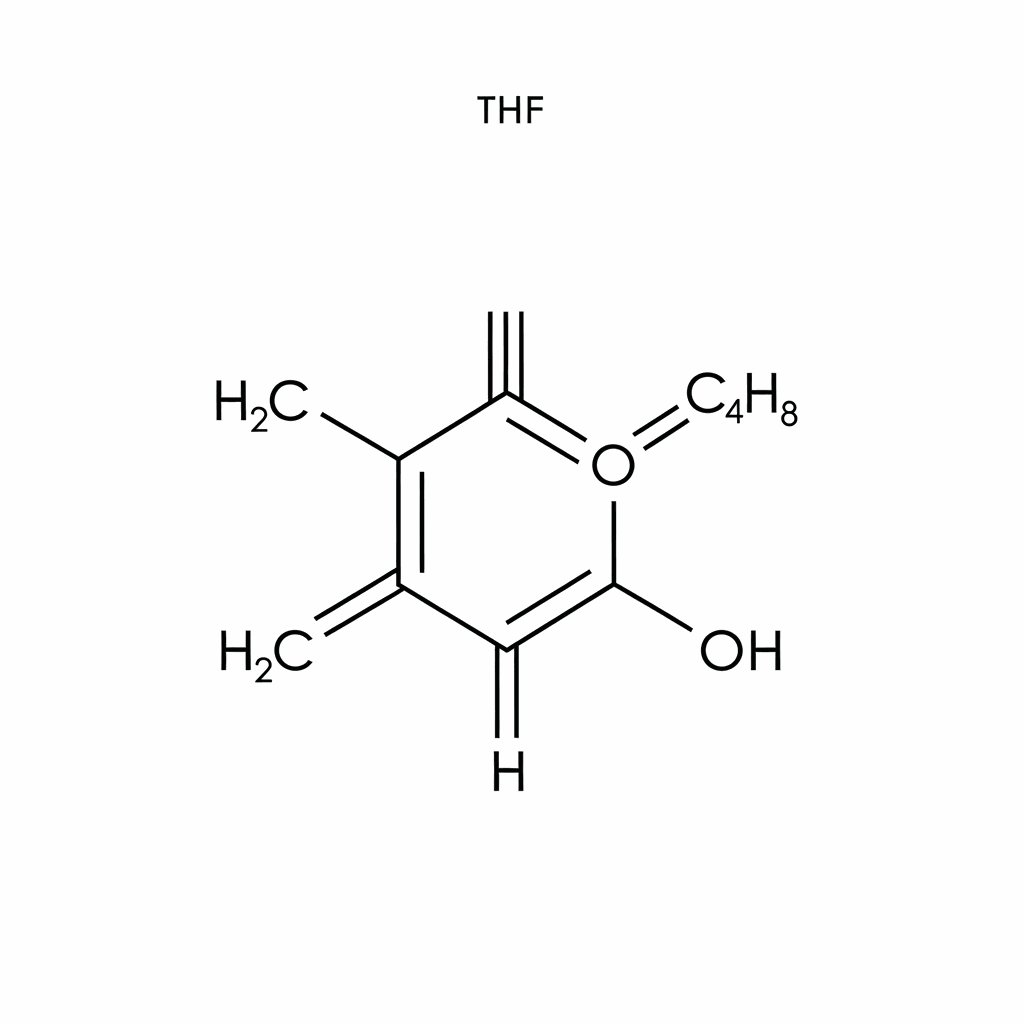
Tetrahydrofuran, or THF, is a heterocyclic organic compound with the molecular formula (CH2)4O, classified as a cyclic ether. It is a colorless, water-miscible liquid with a low viscosity and a characteristic ethereal odor reminiscent of diethyl ether. As a polar aprotic solvent, THF is highly valued in chemical synthesis due to its wide liquid range and ability to dissolve a diverse array of polar and non-polar substances. It is primarily produced via the acid-catalyzed dehydration of 1,4-butanediol or the hydrogenation of furan. THF is notoriously prone to forming explosive peroxides upon exposure to air and light, necessitating the addition of stabilizers like BHT for safe storage. Its medium dielectric constant and coordination capabilities make it a preferred medium for Grignard reactions and organometallic syntheses. Despite its utility, THF is highly flammable and requires stringent handling protocols to mitigate fire risks and potential health hazards associated with inhalation or skin exposure.

Attributes

Key Features and Benefits

  • Exceptional Solubility: THF is a versatile solvent capable of dissolving many organic compounds, including polymers like PVC and polyurethanes, facilitating efficient processing.
  • High Reactivity: It acts as a Lewis base, coordinating with metal ions to stabilize reactive intermediates in various complex chemical transformations.
  • Low Boiling Point: With a boiling point of 66°C, THF is easily removed from reaction mixtures via evaporation or distillation, streamlining purification steps.
  • Miscibility: It is completely miscible with water and most organic solvents, allowing for flexible formulation across a wide range of industrial applications.
  • Peroxide Formation: THF reacts with atmospheric oxygen over time to form explosive peroxides; thus, it must be stored with inhibitors for safety.
Specifications

Technical Highlights

  • Molecular Formula: C4H8O with a molar mass of 72.11 g/mol, providing a compact structure for efficient molecular interactions and solvation properties.
  • Vapor Pressure: Exhibits a high vapor pressure of 19.3 kPa at 20°C, contributing to its high volatility and rapid evaporation rates in coatings.
  • Flash Point: Highly flammable liquid with a flash point of -14.5°C (closed cup), requiring explosion-proof equipment and strictly controlled environments during handling.
  • Dielectric Constant: Features a moderate dielectric constant of 7.6 at 25°C, balancing polarity and non-polar character for diverse solvating power in labs.
  • Viscosity: Extremely low dynamic viscosity of 0.48 mPa·s at 20°C ensures excellent flow characteristics and ease of pumping in industrial scale manufacturing.

Download Technical Data Sheet (TDS)

Practical industry uses

Applications

  • Polymer Production: Extensively used as a solvent for manufacturing polyvinyl chloride (PVC) and as a precursor for polytetramethylene ether glycol (PTMEG) in fibers.
  • Chemical Synthesis: Serves as a vital medium for Grignard reagents and lithium aluminum hydride reductions, where its coordinating properties stabilize the reactive species.
  • Adhesive Formulations: Applied as a solvent in PVC cements and adhesives for bonding plastic pipes and components due to its high polymer solubility.
  • Laboratory Analysis: Utilized in High-Performance Liquid Chromatography (HPLC) and Gel Permeation Chromatography (GPC) as a mobile phase for analyzing complex organic polymers.
  • Coatings and Finishes: Employed in the formulation of protective coatings and industrial finishes where rapid drying and strong solvent action are critical requirements.
Key Sectors

Target Industries

Discover more

Related products

Key Sectors

We’re Here to Support Your Chemical Sourcing Needs

Have a question or need a quote? Our team is here to help with product details, pricing, and global delivery options.

Send a message to us

Your email address will not be published. Required fields are marked *