High-Purity Solvents, Polyurethane (PU) and Resin

Triacetin

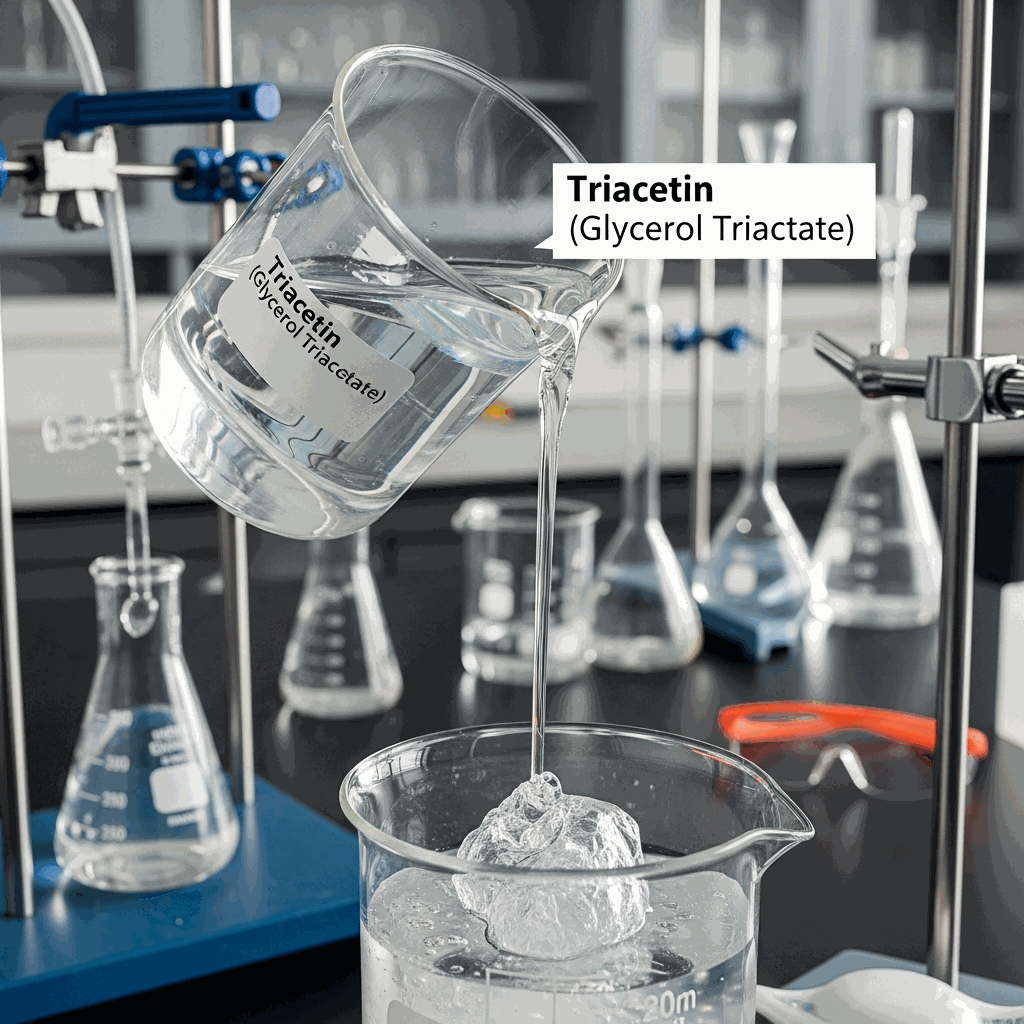
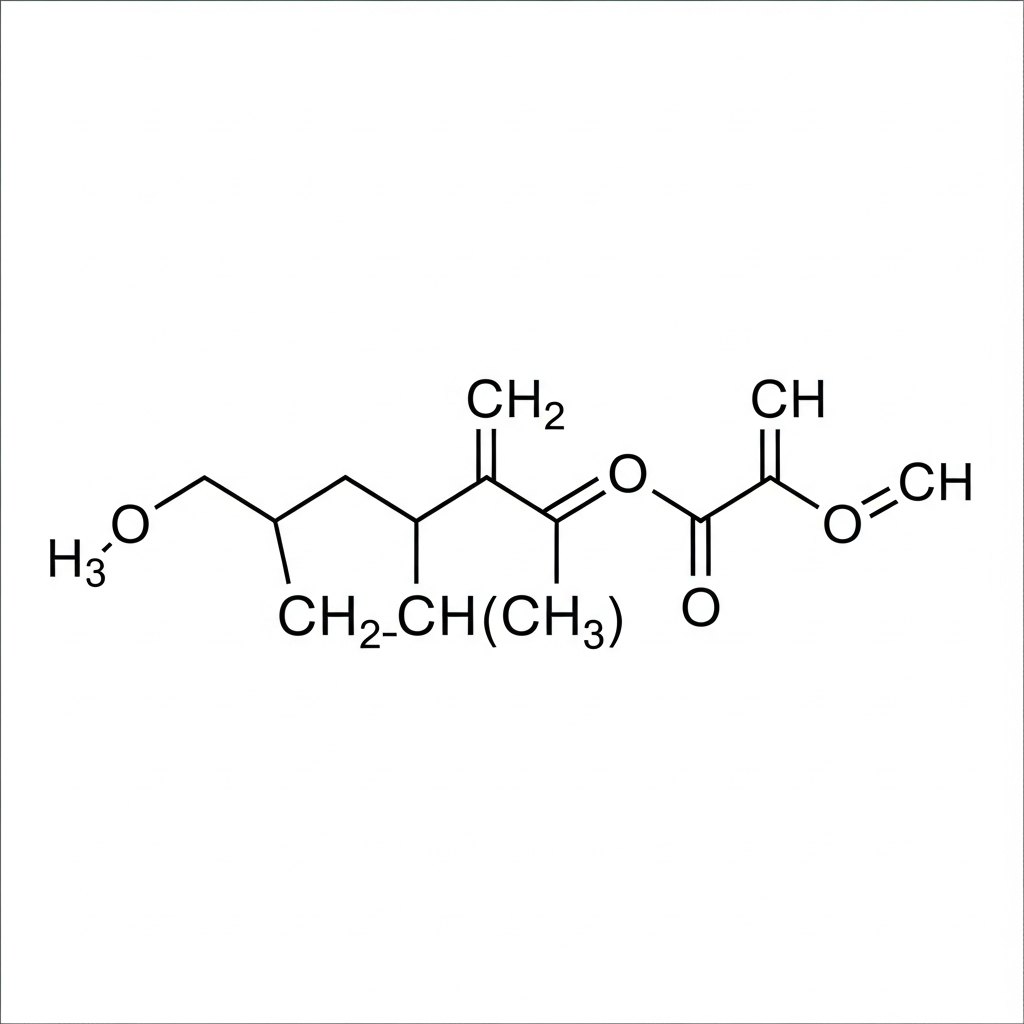
Triacetin, chemically identified as glyceryl triacetate (CAS: 102-76-1), is a clear, colorless, and odorless oily liquid. It is the triester formed by the esterification of high-purity glycerin with acetic acid or acetic anhydride. As a versatile organic compound, Triacetin is highly valued in industrial chemistry due to its unique combination of low volatility, high boiling point, and significant solvency for various organic substances.

Classified as “Generally Recognized as Safe” (GRAS) by the U.S. Food and Drug Administration (FDA) and approved as a food additive (E1518) in the European Union, it is a cornerstone in the food, pharmaceutical, and cosmetic industries. Beyond its biological safety, Triacetin acts as an efficient plasticizer and humectant. Its chemical stability and compatibility with various polymers, particularly cellulose acetate, make it indispensable in manufacturing. Furthermore, its biodegradable nature ensures it meets modern environmental standards for sustainable chemical processing and product formulation.

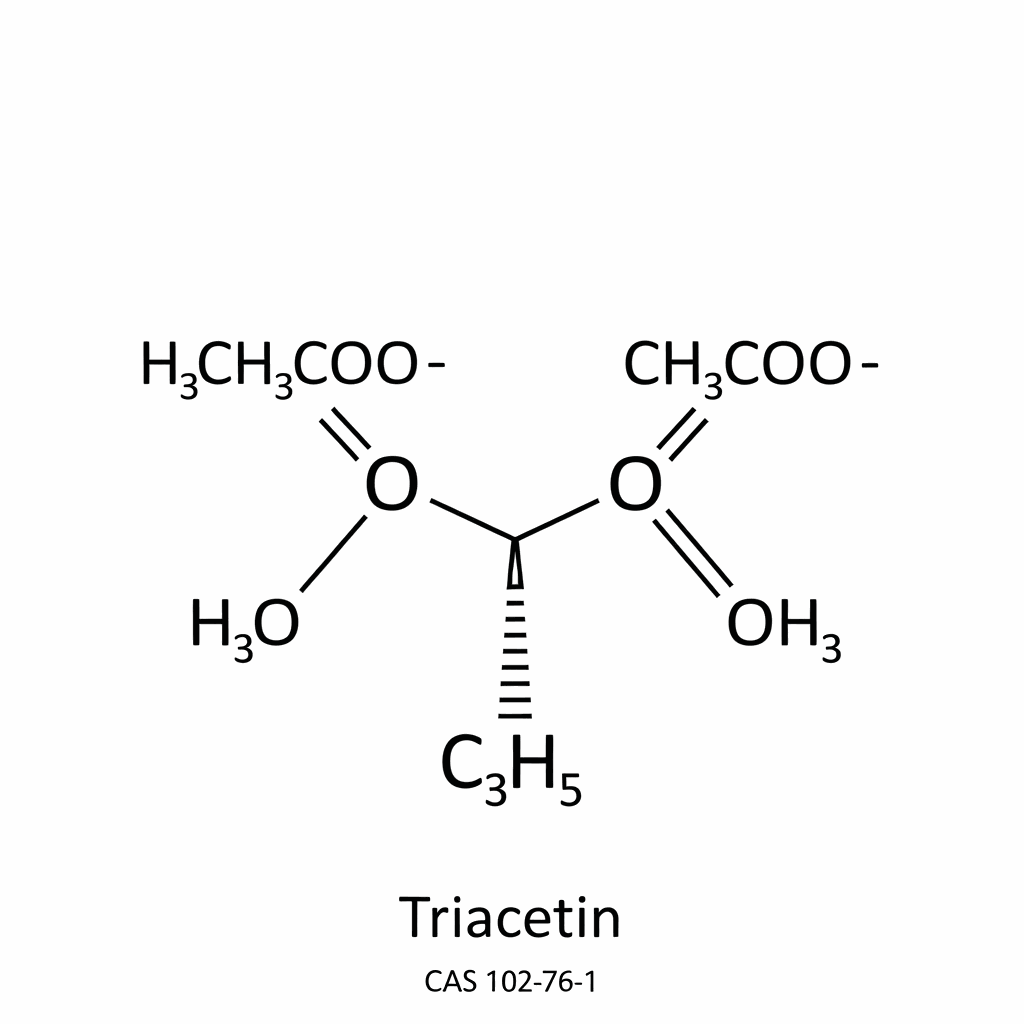
Attributes

Key Features and Benefits

  • GRAS Status: Recognized globally as non-toxic and safe for human ingestion and topical application, making it ideal for regulated industries.
  • Superior Plasticization: Offers excellent flexibility and durability when used with cellulose-based resins and plastic materials.
  • High Solvency: Acts as an effective solvent and carrier for specialized flavors, fragrances, and active pharmaceutical ingredients (APIs).
  • Humectancy: Exhibits strong moisture-retaining properties, preventing product desiccation in food and cosmetic formulations.
  • Environmental Compatibility: Fully biodegradable and possesses a low environmental impact profile compared to phthalate-based plasticizers.
  • Chemical Stability: Resists oxidation and maintains integrity under standard storage conditions, ensuring long shelf-life for end products.
Specifications

Technical Highlights

  • Chemical Formula: $C_9H_{14}O_6$
  • Molecular Weight: 218.21 g/mol
  • Boiling Point: Approximately 258–259°C (500°F) at 760 mmHg, indicating very low volatility at ambient temperatures.
  • Density: 1.155–1.160 g/cm³ at 20°C.
  • Refractive Index: 1.430–1.434 ($n_D^{20}$), critical for quality control and purity verification.
  • Solubility: Slightly soluble in water (approx. 6.1 g/100 mL at 25°C); highly miscible with ethanol, ether, chloroform, and most organic solvents.
  • Flash Point: ~138°C (280°F) (Closed Cup), providing a high margin of safety regarding flammability during industrial processing.
  • Purity Standards: Typically supplied at ≥99% purity for pharmaceutical and food-grade applications.

Download Technical Data Sheet (TDS)

Practical industry uses

Applications

  • Tobacco Industry: Primarily used as a plasticizer for cellulose acetate cigarette filter rods to provide structural rigidity and smoke filtration.
  • Food and Beverage: Functions as a solvent for liquid flavors, a humectant in baked goods, and an antifungal agent (as it can release acetic acid).
  • Pharmaceuticals: Employed as a plasticizer for tablet coatings (aqueous and organic) and as a vehicle for drug delivery systems.
  • Cosmetics: Used as a fixative for perfumes and a solvent in nail polishes and skincare formulations.
  • Fuel Additives: Acts as an anti-knock agent to reduce engine knocking in gasoline and improves the cold-flow properties of biodiesel.
  • Foundry Industry: Serves as a hardening agent in the production of metal casting molds using the ester-cured phenolic resin process.
Key Sectors

Target Industries

Discover more

Related products

Key Sectors

We’re Here to Support Your Chemical Sourcing Needs

Have a question or need a quote? Our team is here to help with product details, pricing, and global delivery options.

Send a message to us

Your email address will not be published. Required fields are marked *