Triethylamine (TEA)
Amines

Triethylamine (TEA)

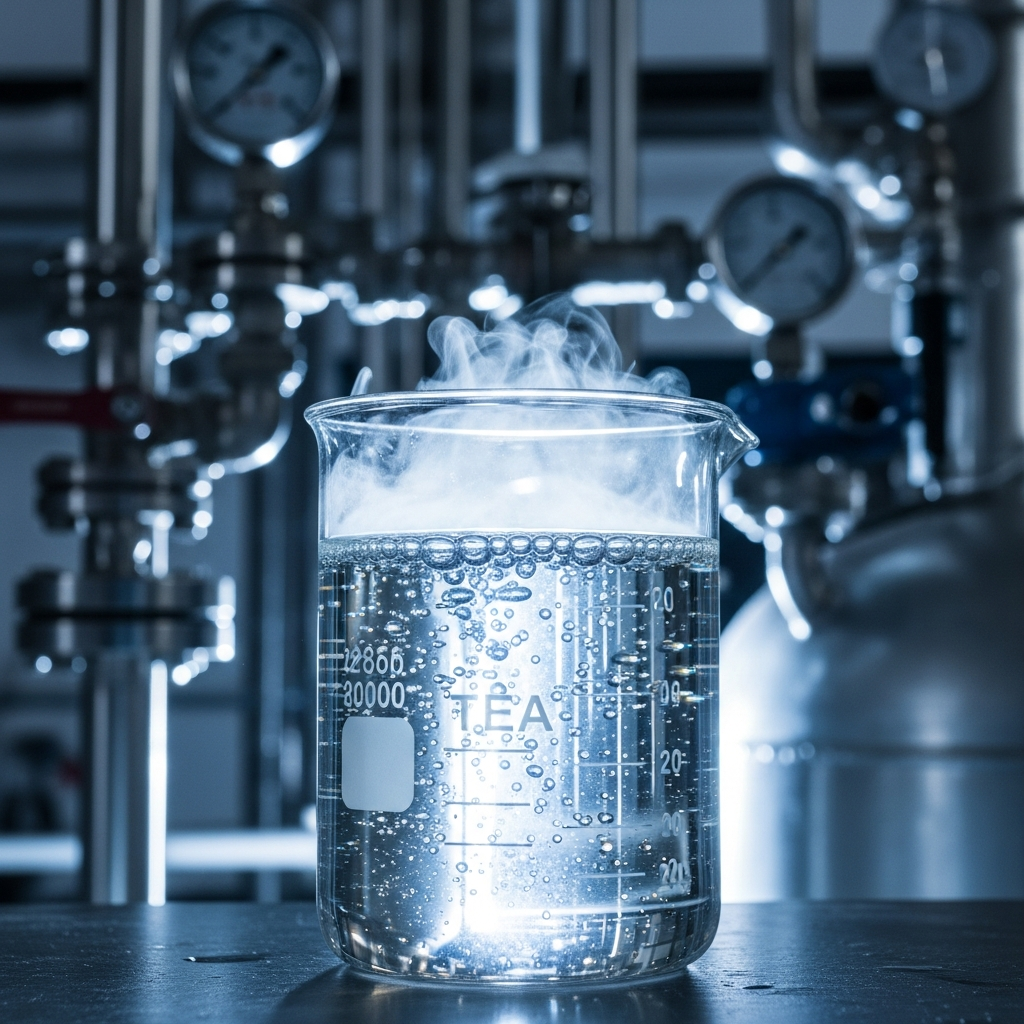
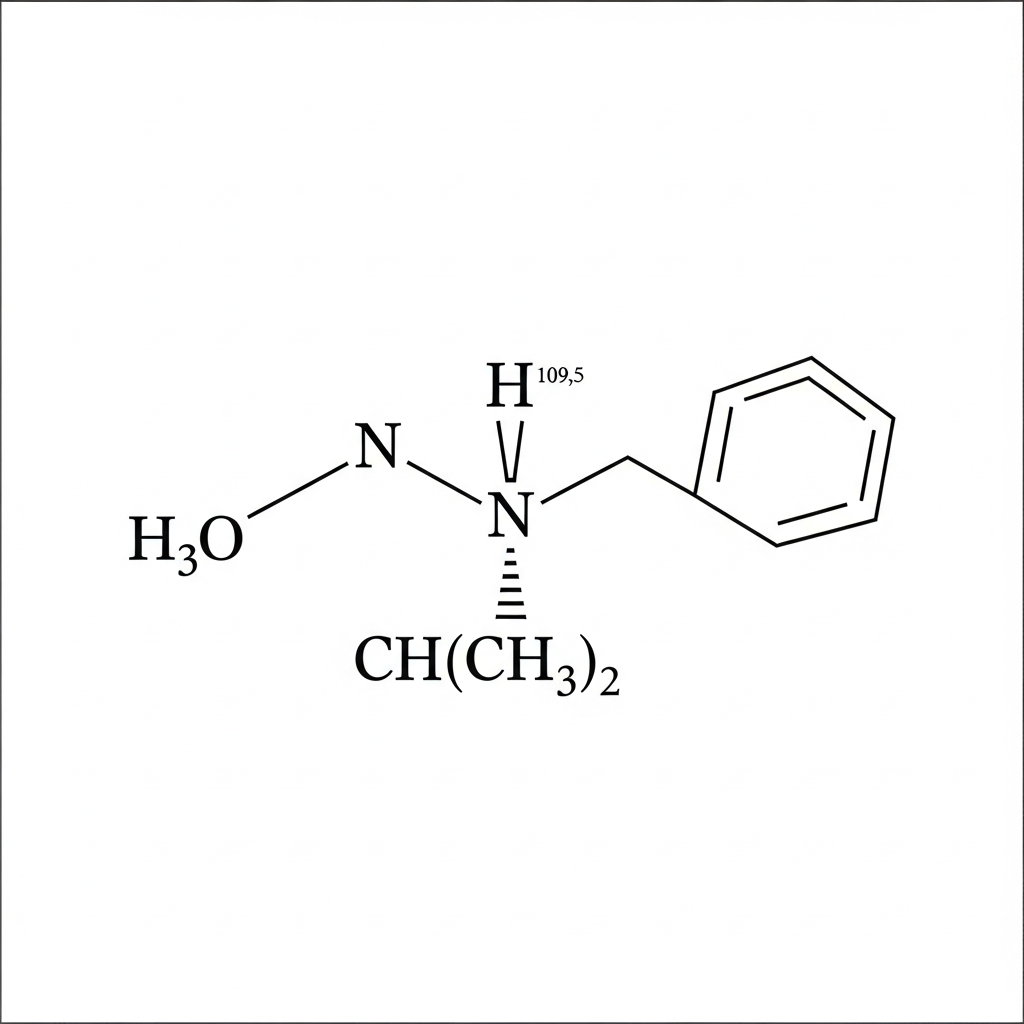
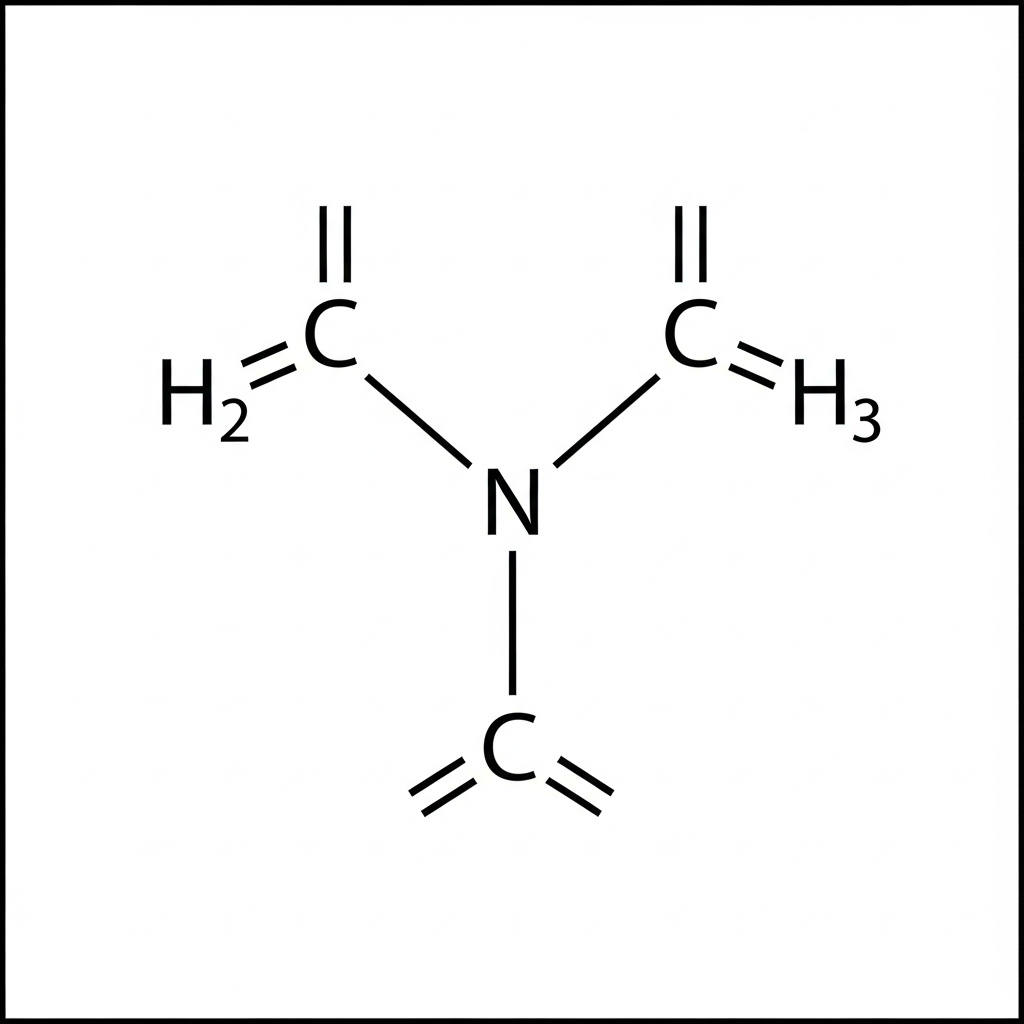
Triethylamine (TEA), identified by CAS number 121-44-8, is a prominent tertiary amine characterized by its distinct, pungent fishy or ammoniacal odor. This colorless, volatile liquid is a fundamental building block in organic synthesis and industrial chemistry. Structurally, it consists of three ethyl groups bonded to a central nitrogen atom, rendering it a relatively strong base (pKa of conjugate acid ≈ 10.75).

Triethylamine is highly valued for its ability to act as an acid scavenger, particularly in reactions involving the release of hydrogen halides. It is miscible with most organic solvents and exhibits moderate solubility in water below 18.7°C. Industrially, TEA is produced via the alkylation of ammonia with ethanol. Due to its high vapor pressure and low flash point, it is classified as a highly flammable and corrosive substance, requiring stringent safety protocols, including explosion-proof equipment and robust ventilation. Its versatility extends across pharmaceuticals, agrochemicals, and polymer science, making it one of the most widely utilized aliphatic amines globally.

Attributes

Key Features and Benefits

* Achieves high purity levels for reliable and consistent performance.
* Features very low water content to ensure product stability and reactivity.
* Serves as a potent catalyst for various polymerization and curing processes.
* Acts as an effective hardener and curing agent for epoxy resins.
* Provides excellent corrosion inhibition for polymers and coatings.
* Functions as a versatile solvent for organic synthesis and various materials.
* Crucial intermediate for pharmaceuticals, pesticides, and specialty chemicals.
* Efficiently neutralizes acids, improving reaction outcomes and purity.

Specifications

Technical Highlights

* CAS No.: 121-44-8
* Molecular Formula: (C2H5)3N
* Molecular Weight: 101.19
* Purity (GC): 99.5% min.
* Water Content (KF): 0.1% max.
* Color (APHA): 10 max.
* Specific Gravity @ 20°C: 0.726 – 0.729
* Distillation Range (IBP-DP): 88.5°C – 90.0°C

Download Technical Data Sheet (TDS)

Practical industry uses

Applications

* **Catalyst:** Acts as a catalyst in various chemical reactions, including the production of polyurethane foams and the curing of epoxy resins.
* **Intermediate:** Serves as a key intermediate in the synthesis of pharmaceuticals, pesticides, and quaternary ammonium compounds.
* **Solvent:** Utilized as a solvent for resins, paints, and other organic compounds in various industrial processes.
* **Corrosion Inhibitor:** Functions as a corrosion inhibitor, particularly in boilers and cooling water systems to protect metal surfaces.
* **Rubber Accelerator:** Used as an accelerator in the vulcanization process of rubber, speeding up the curing time.
* **Acid Scavenger:** Acts as an acid scavenger, neutralizing acidic byproducts in chemical processes to improve yield and purity.

Key Sectors

Target Industries

Discover more

Related products

Key Sectors

We’re Here to Support Your Chemical Sourcing Needs

Have a question or need a quote? Our team is here to help with product details, pricing, and global delivery options.

Send a message to us

Your email address will not be published. Required fields are marked *