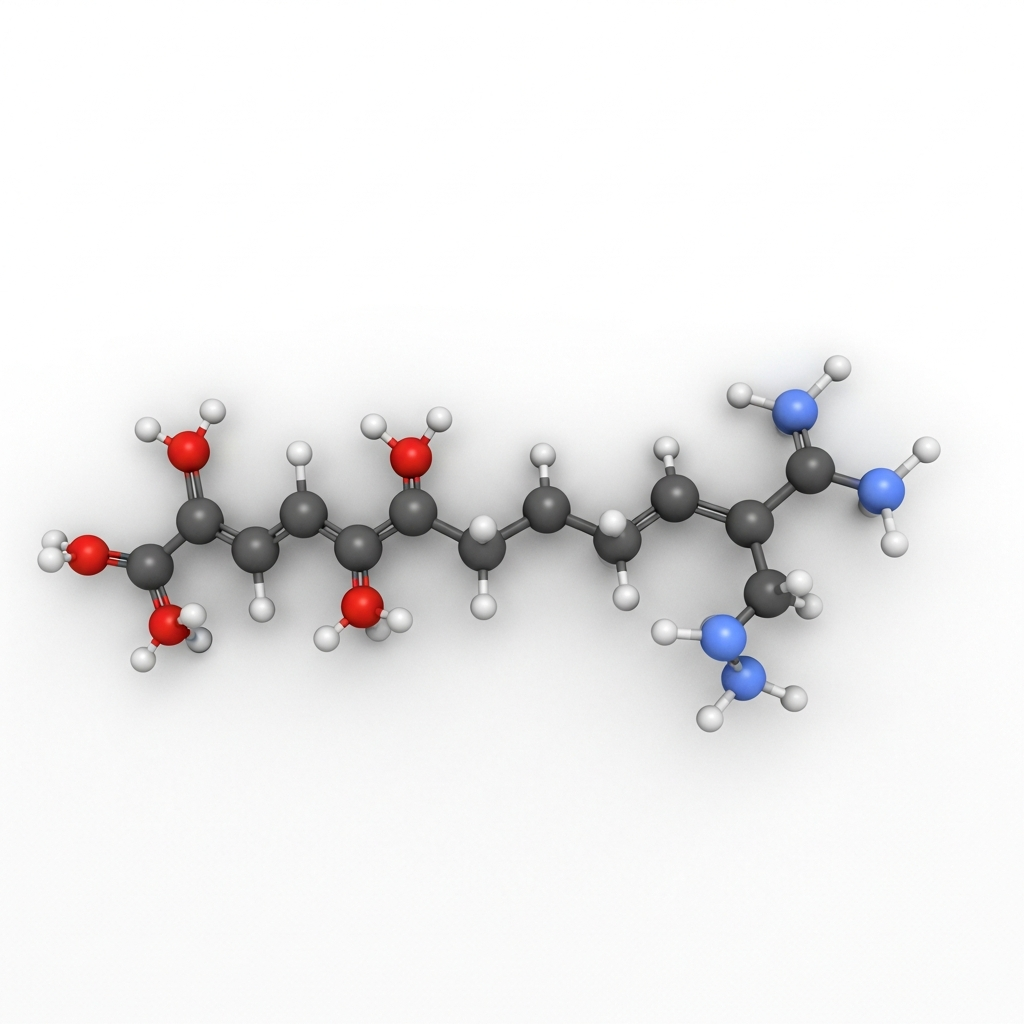
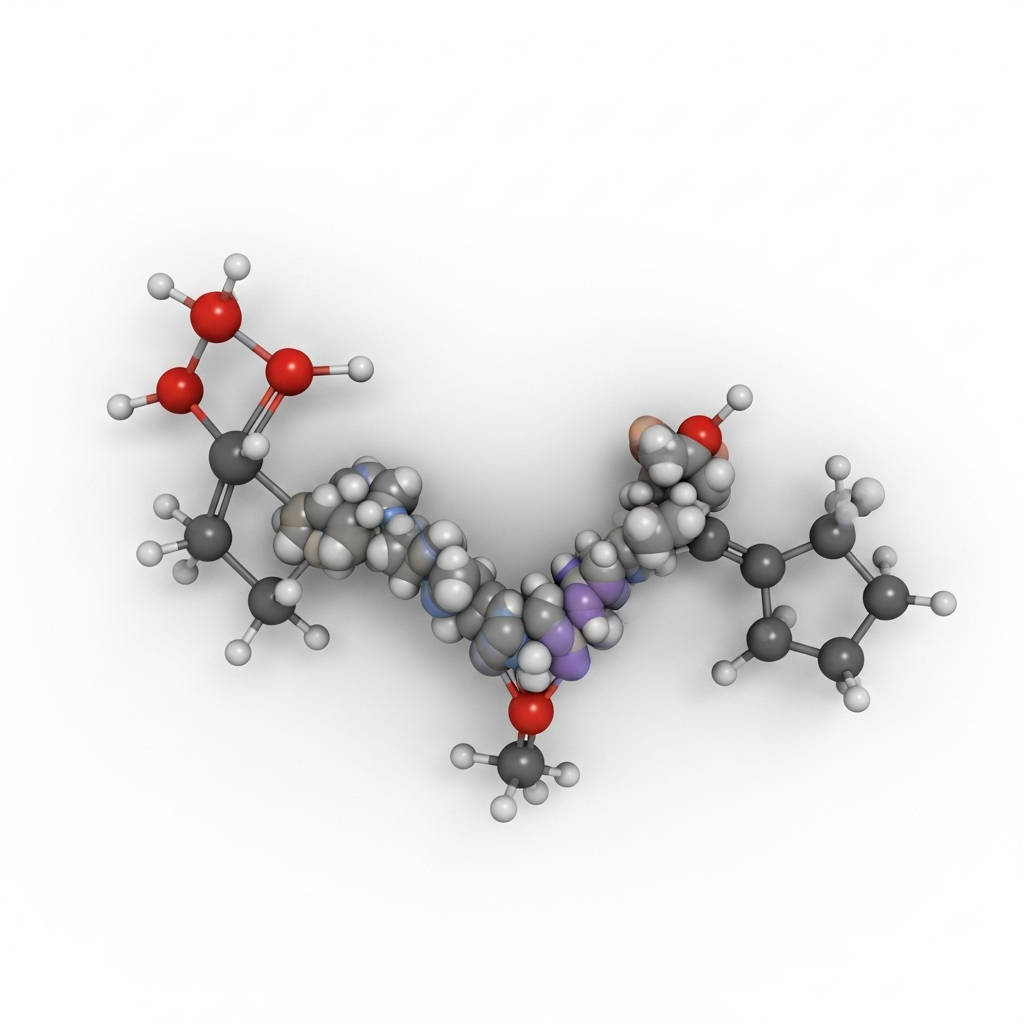
Polymeric dispersants represent a sophisticated class of high-molecular-weight chemical additives engineered to stabilize solid particles within liquid media. Unlike traditional low-molecular-weight surfactants that rely primarily on electrostatic repulsion, polymeric dispersants function through steric stabilization. This mechanism involves the adsorption of the polymer’s anchoring groups onto the particle surface, while the solvated stabilizing chains extend into the medium, creating a physical barrier that prevents particle agglomeration and flocculation. These chemicals are critical in modern industrial formulations where high pigment or filler loading is required without compromising flow characteristics. By optimizing particle distribution, they enhance color strength, gloss, and transparency in finished products. As an industrial chemist, I recognize these polymers as essential for achieving rheological control and long-term shelf stability in demanding environments, including high-electrolyte concentrations and extreme pH ranges. Their versatile architecture allows for tailoring to specific solvent systems, ranging from aqueous to high-polarity organic environments.