High-Purity Solvents, Personal Care

Alkyl Polyglucosides (APG)

Alkyl Polyglucosides, identified by CAS number 68515-73-1, represent a unique class of non-ionic surfactants derived entirely from renewable plant-based raw materials. These surfactants are synthesized through the acid-catalyzed Fischer glycosidation of fatty alcohols, typically sourced from coconut or palm oil, with glucose derived from corn starch or wheat. Characterized by their exceptional environmental profile, these compounds are fully biodegradable under both aerobic and anaerobic conditions, exhibiting remarkably low aquatic toxicity. Chemically, they consist of a hydrophilic sugar head group and a hydrophobic alkyl chain, providing excellent surface-activity properties. Unlike traditional synthetic surfactants, they offer superior dermatological compatibility and are known for being exceptionally mild to human skin and eyes. Their stability in highly alkaline environments and concentrated electrolyte solutions makes them indispensable in modern chemical formulations. As the global industry shifts toward sustainable chemistry, Alkyl Polyglucosides serve as a benchmark for high-performance, eco-friendly alternatives in diverse cleaning applications within industry.

Attributes

Key Features and Benefits

  • Exceptional ecological safety with 100% renewable feedstock origins.
  • Rapid and complete biodegradability minimizes environmental impact.
  • Outstanding dermatological mildness ideal for sensitive skin products.
  • Excellent wetting, dispersing, and surface tension reduction capabilities.
  • Synergistic effects when combined with other surfactant classes.
  • High tolerance to concentrated electrolytes and builders.
  • Superior cleaning performance on hard surfaces and textiles.
  • Rich and stable foam profile even in hard water.
  • Resistance to hydrolysis across a wide pH range, especially alkaline.
  • Non-toxic nature and low irritation potential for eyes and mucous membranes.
  • Effectively lowers formulation viscosity.
  • Provides excellent compatibility with biological systems and reduces overall chemical exposure risks.
Specifications

Technical Highlights

  • CAS Registry Number: 68515-73-1.
  • Active Substance Content: Typically 50% to 70%.
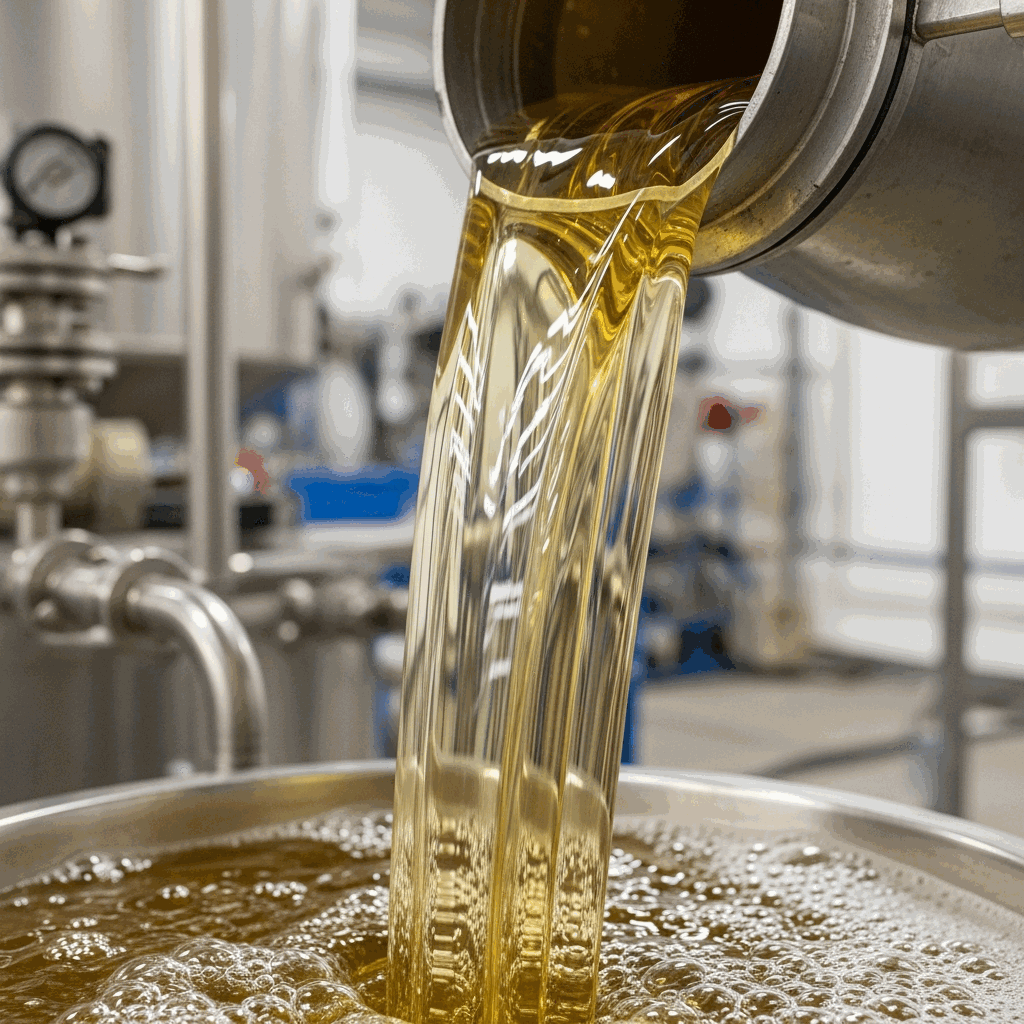
  • Appearance: Clear to slightly cloudy yellow liquid.
  • pH Value (10% aqueous): Range 11.5 to 12.5.
  • Viscosity at 20°C: 200 to 800 mPa.s.
  • Density at 25°C: 1.08 to 1.15 g/cm3.
  • Residual Fatty Alcohol: Maximum 1.0%.
  • Sulfated Ash Content: Maximum 3.0%.
  • Moisture Content: 30% to 50%.
  • Surface Tension: 28 to 30 mN/m.
  • HLB Value: Calculated between 13 and 16.
  • Degree of Polymerization: Approximately 1.1 to 1.8 units.
  • Solubility: Completely soluble in water.
  • Thermal stability: High.
  • Storage: Store at room temperature in sealed containers for stability.

Download Technical Data Sheet (TDS)

Practical industry uses

Applications

  • Personal Care: Used in shampoos, body washes, and facial cleansers.
  • Home Care: Primary ingredient in liquid dish detergents and floor cleaners.
  • Industrial Cleaning: Effective in alkaline degreasers and metal surface treatments.
  • Cosmetics: Functions as a mild emulsifier in creams and lotions.
  • Agricultural Chemicals: Serves as a wetting agent for pesticides and herbicides.
  • Textile Industry: Used for scouring and wetting during fabric processing stages.
  • Oil and Gas: Applied as a foam booster in enhanced oil recovery.
  • Institutional: Formulation of high-performance janitorial and hospital-grade sanitizing solutions.
  • Car Care: Incorporated into high-foaming vehicle shampoos and wheel cleaners.
  • Food Processing: Employed for equipment sanitation.
Key Sectors

Target Industries

Discover more

Related products

Key Sectors

We’re Here to Support Your Chemical Sourcing Needs

Have a question or need a quote? Our team is here to help with product details, pricing, and global delivery options.

Send a message to us

Your email address will not be published. Required fields are marked *