Bio - Based / Green Solvents, High-Purity Solvents

Azelaic Acid

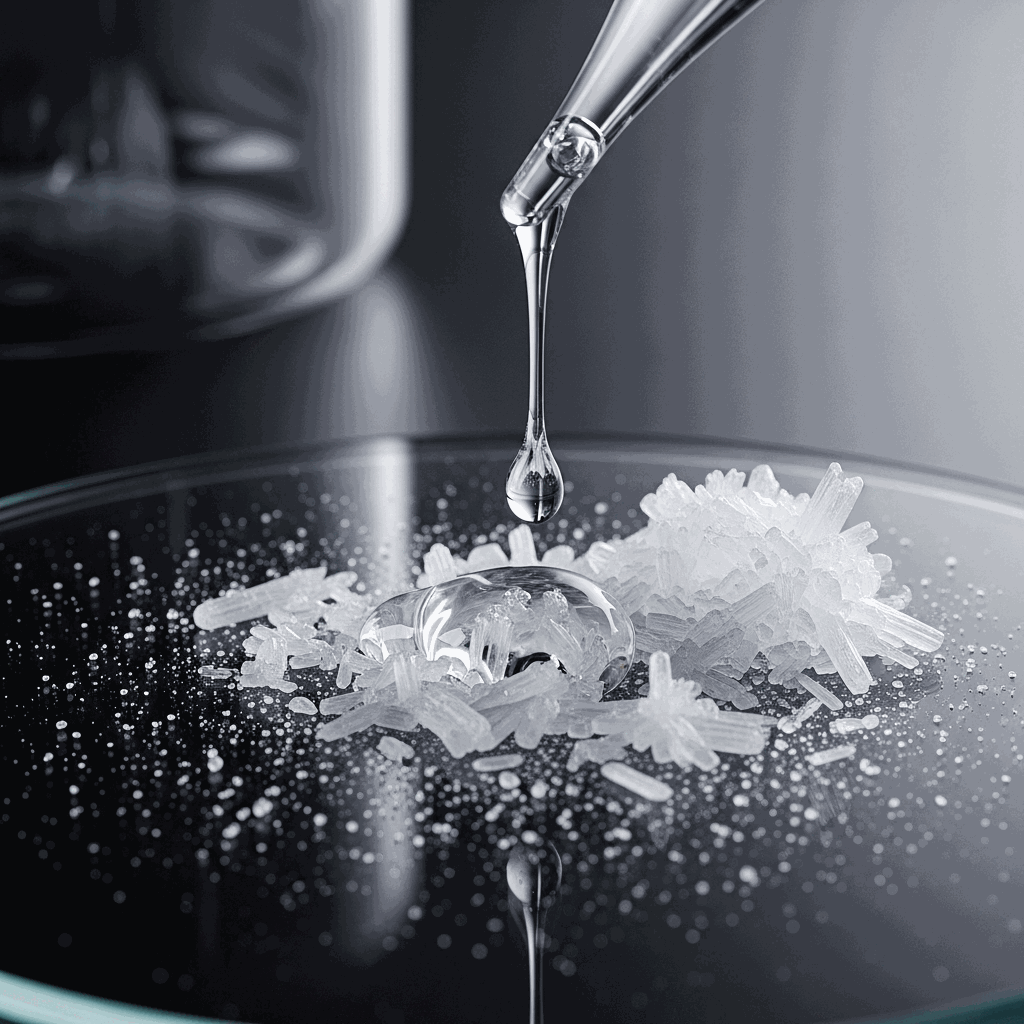
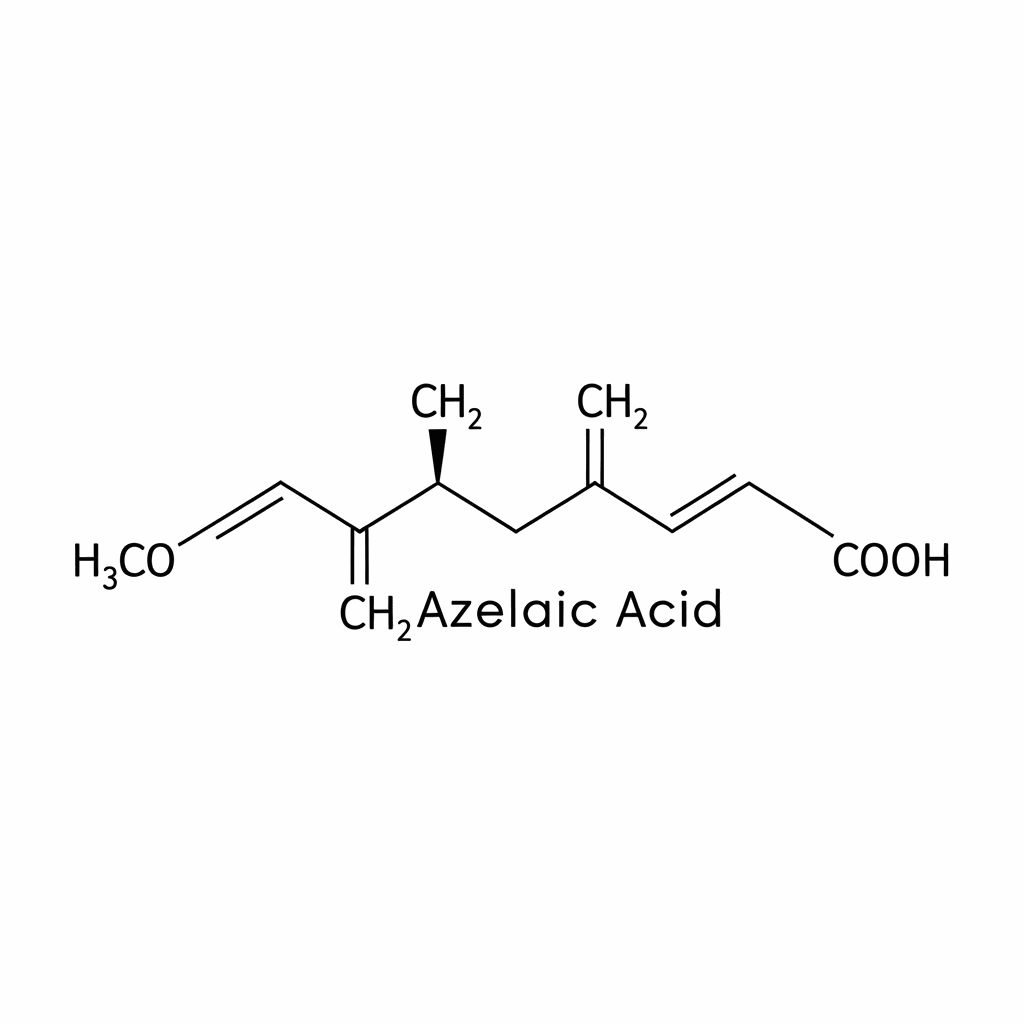
Azelaic acid, chemically identified as nonanedioic acid, is a naturally occurring saturated dicarboxylic acid with the molecular formula C9H16O4. It manifests as a white, crystalline powder and is found naturally in grains like wheat, rye, and barley. Produced industrially through the ozonolysis of oleic acid, it serves as a crucial intermediate in organic synthesis. This chemical is renowned for its multifunctional properties, acting as a precursor to polymers and plasticizers while possessing significant dermatological benefits. Due to its unique carbon chain length, it exhibits moderate solubility in water but dissolves readily in alcohols and organic solvents. Azelaic acid is prized for its stability and non-toxic profile, making it a versatile compound in both industrial chemistry and pharmaceutical formulations. Its dicarboxylic nature allows it to participate in esterification and condensation reactions, facilitating the production of nylon and high-performance lubricants. Its biochemical role includes inhibiting specific enzymes, contributing to its widespread utility.

Attributes

Key Features and Benefits

  • Exhibits exceptional oxidative stability due to its saturated aliphatic chain, ensuring long-term performance in various formulations.
  • Demonstrates significant antimicrobial and anti-inflammatory properties, making it highly effective for targeted dermatological and skincare treatments.
  • Functions as a versatile intermediate for producing biodegradable plasticizers, enhancing the flexibility and durability of specialized polymers.
  • Possesses a low toxicity profile and high biocompatibility, making it safe for use in food-contact materials and cosmetics.
  • Offers reactive dual-carboxyl groups that facilitate efficient cross-linking in the synthesis of high-performance polyamides and advanced coatings.
Specifications

Technical Highlights

  • Molecular Weight and Formula: C9H16O4 with a molar mass of 188.22 g/mol, characterized by its linear dicarboxylic structure.
  • Melting and Boiling Points: Typically features a melting point range of 106-110 degrees Celsius and a boiling point of 286 degrees Celsius.
  • Solubility Parameters: Low solubility in water at 2.4 g/L at 20 degrees Celsius, but highly soluble in ethanol and ether.
  • Acidity and Dissociation: Features pKa values of approximately 4.55 and 5.41, indicating its behavior as a typical weak organic diacid.
  • Purity and Grade: Standard industrial grades maintain a purity of 85-95 percent, while pharmaceutical grades exceed 99 percent purity levels.

Download Technical Data Sheet (TDS)

Practical industry uses

Applications

  • Pharmaceutical Formulations: Used extensively as an active ingredient in topical creams to treat acne vulgaris and rosacea skin conditions.
  • Polymer Production: Serves as a fundamental monomer in the manufacturing of Nylon 6,9 and other high-performance biodegradable specialty plastics.
  • Lubricant Additives: Utilized in the synthesis of complex grease thickeners and high-temperature lubricants for demanding automotive and industrial applications.
  • Plasticizer Manufacturing: Reacted with alcohols to create non-phthalate plasticizers that improve the elasticity of polyvinyl chloride and synthetic rubbers.
  • Herbicide Intermediates: Employed in the chemical synthesis of specific herbicides and plant growth regulators within the global agricultural sector.
Key Sectors

Target Industries

Discover more

Related products

Key Sectors

We’re Here to Support Your Chemical Sourcing Needs

Have a question or need a quote? Our team is here to help with product details, pricing, and global delivery options.

Send a message to us

Your email address will not be published. Required fields are marked *