Electro Plating, High-Purity Solvents

Benzylidene Acetone

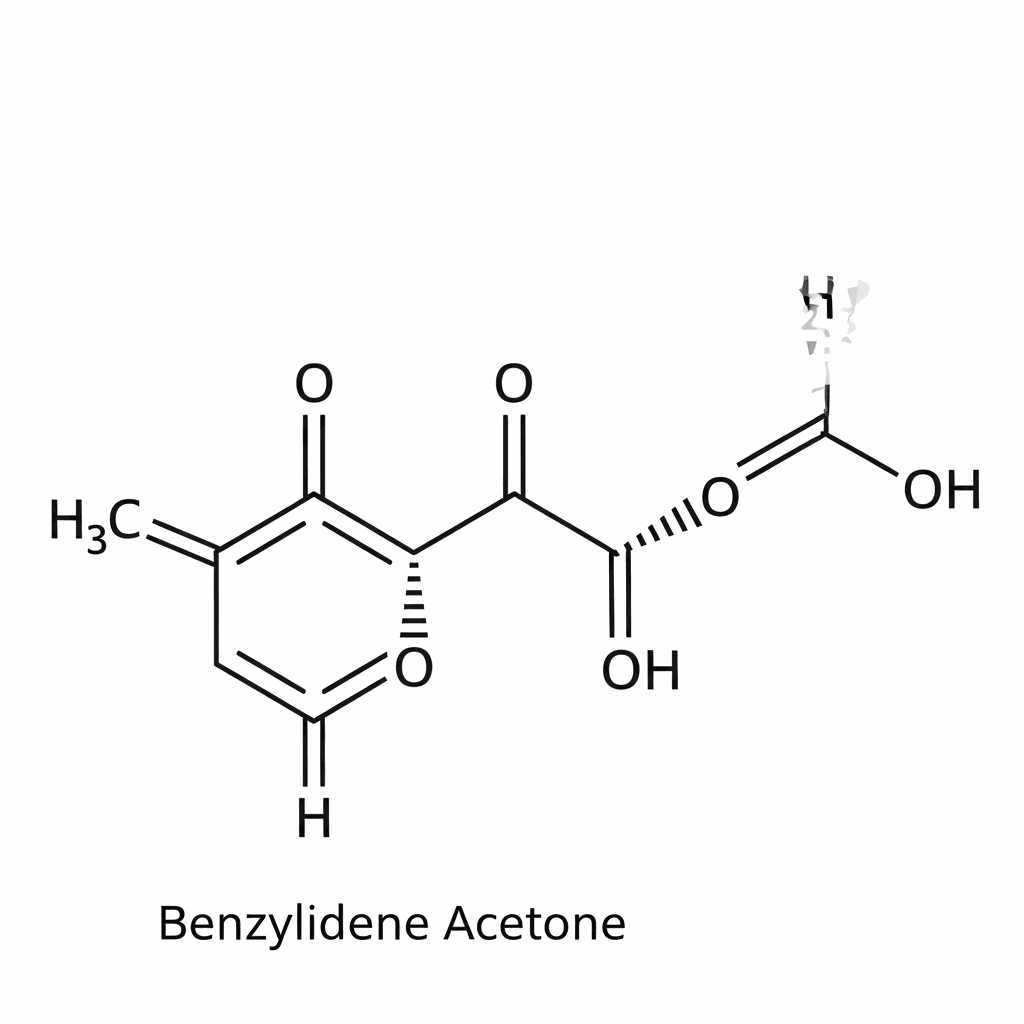
Benzylidene acetone, chemically known as 4-phenyl-3-buten-2-one and often abbreviated as BZA, is an alpha, beta-unsaturated ketone characterized by its distinct sweet, floral odor reminiscent of sweet peas and balsamic undertones. With the CAS number 122-57-6, this organic compound serves as a vital building block in synthetic organic chemistry and the fragrance industry. It appears as pale yellow crystals at room temperature, possessing a relatively low melting point which facilitates its handling in industrial processes. Beyond its aromatic properties, it functions as a primary brightening agent in the electroplating industry, particularly within acid zinc plating baths, where it ensures uniform coating and high luster. The molecule consists of a phenyl group attached to a butenone chain, providing a reactive site for various chemical transformations, including Michael additions and hydrogenations. Its versatility across perfumery, metal finishing, and pharmaceutical synthesis underscores its industrial importance. Safety precautions are necessary during handling due to its potential as a skin sensitizer.

Attributes

Key Features and Benefits

  • Exceptional brightening efficiency in electroplating applications.
  • Characteristic sweet-floral aroma profile for high-end perfumery.
  • High purity levels ensure consistent performance in synthetic reactions.
  • Excellent solubility in common organic solvents like ethanol and ethers.
  • Acts as a stable intermediate for flavoring agent production.
  • Low melting point allows for easy melting and dosing in liquid formulations.
  • Enhances the visual aesthetics of metal coatings with superior gloss.
  • Provides a versatile scaffold for the synthesis of complex organic molecules.
  • Proven efficacy in leveling and grain refinement during electrochemical deposition.
  • Cost-effective solution for large-scale industrial chemical manufacturing processes.
Specifications

Technical Highlights

  • Molecular formula: C10H10O with a molar mass of 146.19 g/mol.
  • Melting point range: 39°C to 42°C for high-grade material.
  • Boiling point: Approximately 260°C to 262°C at atmospheric pressure.
  • Refractive index: Typically 1.5836 at 20 degrees Celsius.
  • Chemical structure: Phenyl ring conjugated with an unsaturated carbonyl system.
  • Assay: Minimum 99% purity achieved through vacuum distillation methods.
  • Flash point: Measures approximately 121°C, ensuring manageable thermal stability.
  • Water solubility: Poorly soluble in water but highly miscible in lipids.
  • Reactivity: Undergoes rapid polymerization if exposed to extreme heat or light.
  • Storage: Stable when kept in cool, dark, airtight environments.

Download Technical Data Sheet (TDS)

Practical industry uses

Applications

  • Electroplating: Primary brightener and leveling agent in acidic zinc plating.
  • Fragrance: Used in soap, detergent, and fine fragrance formulations for floral notes.
  • Flavors: Intermediate in the creation of spice and fruit flavor profiles.
  • Organic Synthesis: Precursor for producing pharmaceuticals and agricultural chemicals via hydrogenation.
  • Polymers: Acts as a monomer or additive in specialized resin systems.
  • Laboratory Reagent: Utilized in academic research for studying alpha-beta unsaturated ketone reactivity.
  • Cosmetics: Scent component in various personal care products and lotions.
  • Coatings: Ingredient in protective finishes requiring specific refractive properties or gloss.
Key Sectors

Target Industries

Discover more

Related products

Key Sectors

We’re Here to Support Your Chemical Sourcing Needs

Have a question or need a quote? Our team is here to help with product details, pricing, and global delivery options.

Send a message to us

Your email address will not be published. Required fields are marked *