Acrylates, High-Purity Solvents

Butyl Acrylate (BA)

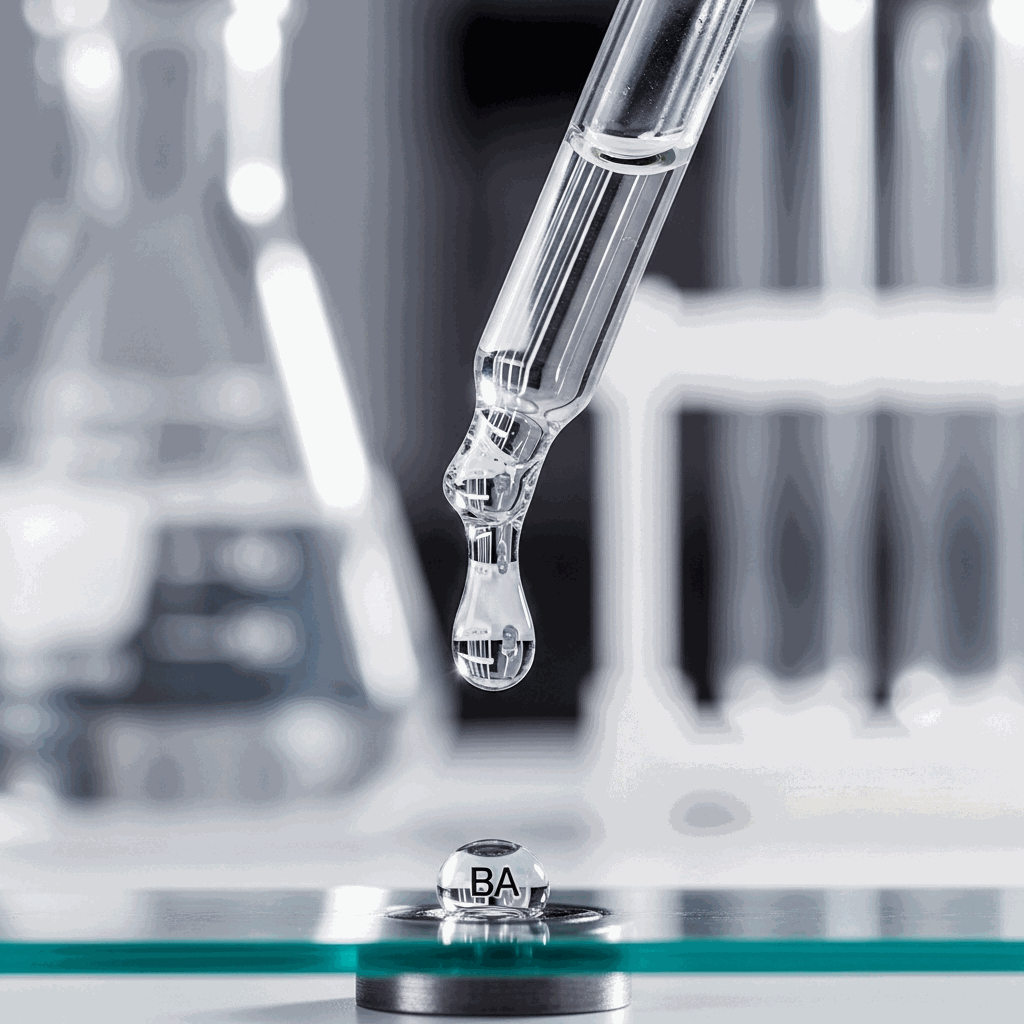
Butyl Acrylate (CAS No: 141-32-2) is a clear, colorless liquid ester characterized by a distinct, sharp odor. It is primarily used as a monomer in the production of polymers and resins. As an alpha, beta-unsaturated ester, it is highly reactive and susceptible to polymerization when exposed to heat, light, or peroxides, which necessitates the use of inhibitors like hydroquinone monomethyl ether (MEHQ) for safe storage and transport. Chemically, it consists of an acrylate group attached to a butyl group, providing a balance of flexibility and durability in finished products. It is relatively insoluble in water but highly miscible with organic solvents like alcohols, ethers, and hydrocarbons. Its low glass transition temperature makes it a crucial component for manufacturing soft, tacky, and flexible acrylic polymers. Due to its volatility and reactivity, strict safety protocols are required during handling to prevent accidental polymerization or exposure to hazardous vapors in industrial environments daily.

Attributes

Key Features and Benefits

  • Low Glass Transition Temperature: With a Tg of approximately -54 degrees Celsius, it imparts exceptional flexibility and softness to copolymer structures.
  • High Reactivity: The vinyl group allows for rapid free-radical polymerization, making it efficient for producing various high-molecular-weight acrylic resins.
  • Good Weathering Resistance: Polymers derived from butyl acrylate exhibit excellent resistance to UV radiation and oxidation, ensuring long-term outdoor durability.
  • Strong Adhesion Properties: It enhances the adhesive strength of coatings and sealants, particularly on low-energy surfaces and polar substrates.
  • Versatile Copolymerization: Easily copolymerizes with other monomers like methyl methacrylate, styrene, or vinyl acetate to tailor mechanical and chemical properties.
Specifications

Technical Highlights

  • Molecular Formula and Weight: The chemical formula is C7H12O2 with a molecular weight of 128.17 g/mol, appearing as a mobile liquid.
  • Boiling and Melting Points: It has a boiling point of 145 degrees Celsius at atmospheric pressure and a melting point of -64.6 degrees Celsius.
  • Density and Viscosity: The specific gravity is 0.894 at 20 degrees Celsius, and it possesses a low dynamic viscosity of approximately 0.92 cP.
  • Vapor Pressure: It exhibits a vapor pressure of 4.3 mmHg at 20 degrees Celsius, indicating moderate volatility and requiring sealed storage.
  • Purity and Inhibitors: Standard industrial grades typically offer 99.5 percent purity minimum, stabilized with 10 to 100 ppm of MEHQ inhibitor.

Download Technical Data Sheet (TDS)

Practical industry uses

Applications

  • Surface Coatings: Extensively used in the formulation of architectural paints, automotive finishes, and industrial coatings for improved gloss and flexibility.
  • Adhesive Formulations: A primary monomer for pressure-sensitive adhesives (PSAs), laminating adhesives, and construction glues due to its inherent tackiness.
  • Textile and Leather: Utilized in textile finishing agents and leather tanning processes to provide water resistance and a soft, supple hand-feel.
  • Plastics and Resins: Serves as a chemical intermediate in the synthesis of impact modifiers and processing aids for various thermoplastic materials.
  • Paper Coatings: Applied in the paper industry to enhance surface smoothness, ink receptivity, and moisture resistance in high-quality printed paper products.
Key Sectors

Target Industries

Discover more

Related products

Key Sectors

We’re Here to Support Your Chemical Sourcing Needs

Have a question or need a quote? Our team is here to help with product details, pricing, and global delivery options.

Send a message to us

Your email address will not be published. Required fields are marked *