Acrylates, High-Purity Solvents

Butyl Methacrylate (BMA)

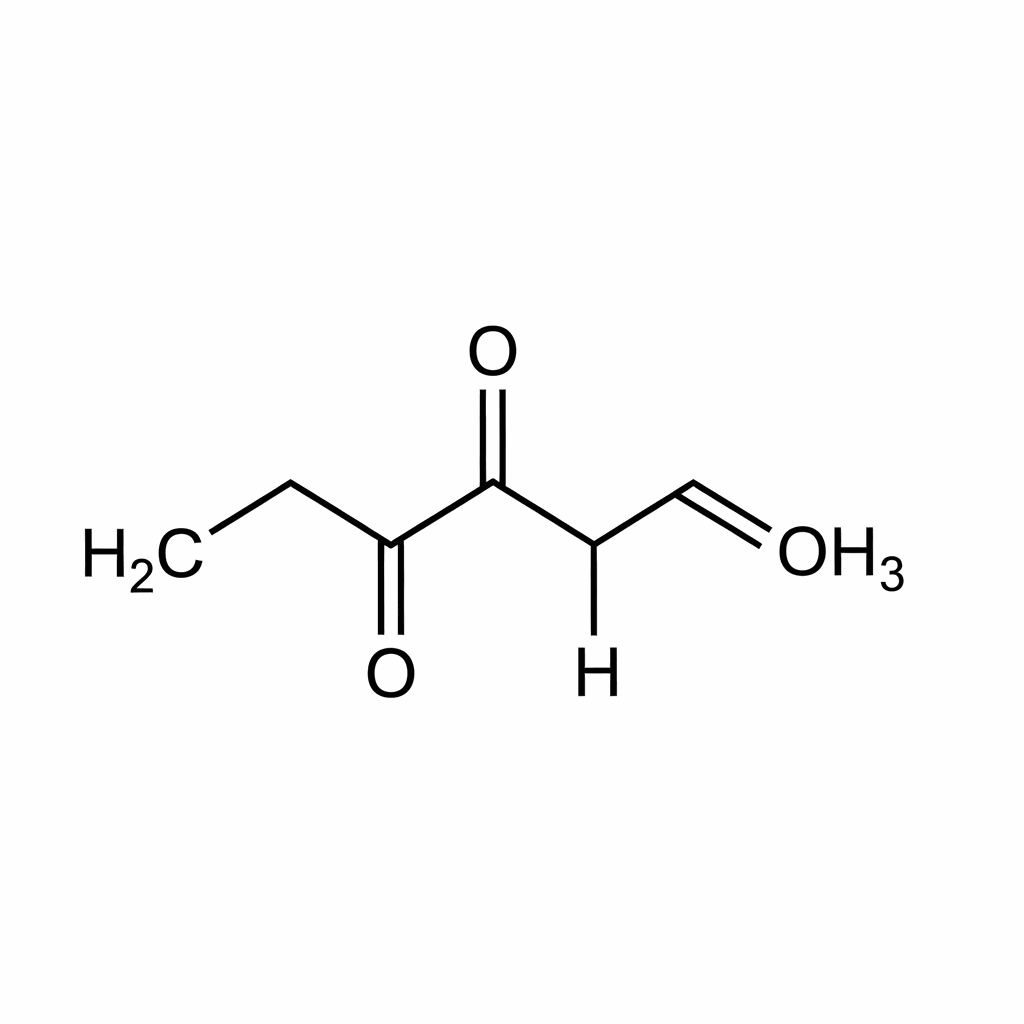
Butyl Methacrylate, identified by CAS number 97-88-1, is a versatile monomer belonging to the methacrylate ester family. This colorless, flammable liquid possesses a characteristic ester-like odor and serves as a fundamental building block in the synthesis of various high-performance polymers and copolymers. Chemically, it consists of a methacrylate group attached to a n-butyl chain, providing a balance between flexibility and durability in finished products. As an acrylic monomer, it undergoes smooth free-radical polymerization, often co-polymerizing with other monomers like methyl methacrylate or styrene to tailor specific material properties. Its lower glass transition temperature compared to methyl methacrylate imparts internal plasticization, enhancing the flexibility and impact resistance of the resulting resin systems. Furthermore, BMA exhibits excellent weathering resistance, UV stability, and chemical resistance, making it indispensable in modern chemical manufacturing. Its role in producing clear, hydrophobic, and adhesive coatings underscores its importance across multiple industrial sectors, ranging from automotive finishes worldwide.

Attributes

Key Features and Benefits

  • Exhibits low glass transition temperature of approximately 20 degrees Celsius, which provides inherent internal plasticization and enhances film flexibility.
  • Demonstrates exceptional water resistance and hydrophobicity, significantly reducing moisture sensitivity in various polymerized coatings and resins.
  • Offers superior resistance to ultraviolet radiation and oxidative degradation, ensuring long-term clarity and preventing yellowing in outdoor applications.
  • Functions as a versatile reactive monomer that copolymerizes easily with various acrylics and methacrylates to customize mechanical performance.
  • Possesses a characteristic sweet, ester-like odor and low vapor pressure, making it manageable for large-scale industrial handling processes.
Specifications

Technical Highlights

  • Chemical formula: C8H14O2; Molecular weight: 142.20 grams per mole; CAS Registry number: 97-88-1; Appearance: Clear, colorless liquid.
  • Boiling point: Approximately 163 degrees Celsius at standard atmospheric pressure; Freezing point: Approximately -75 degrees Celsius.
  • Refractive index: 1.424 at 20 degrees Celsius; Density: Approximately 0.894 grams per milliliter at 20 degrees Celsius.
  • Solubility: Extremely low solubility in water (0.6 grams per liter); Highly miscible with most common organic solvents.
  • Stabilization: Typically inhibited with 10 to 100 parts per million of Hydroquinone Monomethyl Ether (MEHQ) for storage safety.

Download Technical Data Sheet (TDS)

Practical industry uses

Applications

  • Extensively utilized in automotive topcoats and industrial finishes to improve gloss retention, weatherability, and overall mechanical durability.
  • Primary ingredient in the production of contact lenses and optical materials due to its high clarity and biocompatibility.
  • Component in solvent-borne adhesives and pressure-sensitive tapes, providing necessary tackiness and adhesive strength for diverse substrates.
  • Used in the formulation of textile finishing agents to improve the hand-feel, water repellency, and elasticity of fabrics.
  • Critical monomer for oil additives and viscosity index improvers, enhancing the performance and stability of high-grade lubricating oils.
Key Sectors

Target Industries

Discover more

Related products

Key Sectors

We’re Here to Support Your Chemical Sourcing Needs

Have a question or need a quote? Our team is here to help with product details, pricing, and global delivery options.

Send a message to us

Your email address will not be published. Required fields are marked *