Acetates & Esters, High-Purity Solvents

Di-n-butyl phthalate (DBP)

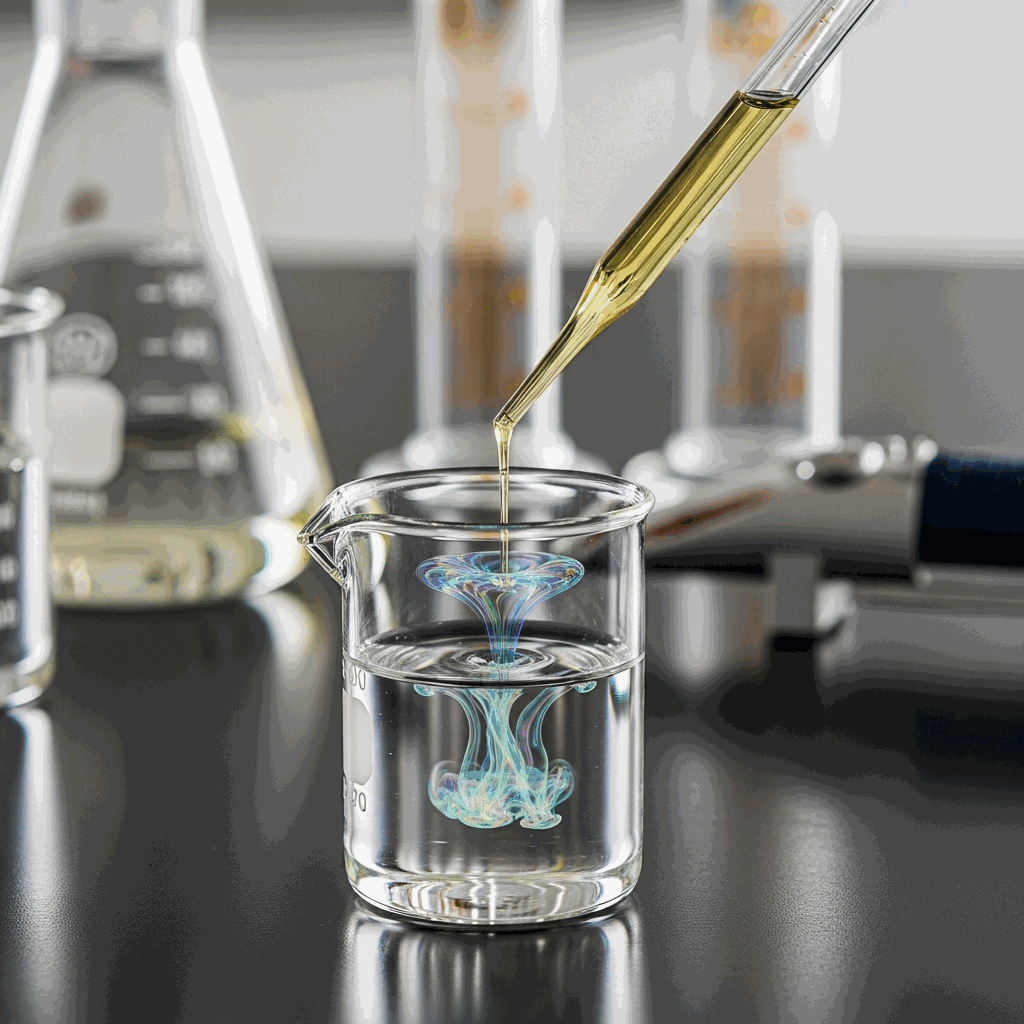
Di-n-butyl phthalate, commonly known as DBP, is a colorless to faint yellow, oily liquid that belongs to the phthalate ester family. Identified by the CAS number 84-74-2, it serves as a ubiquitous plasticizer known for its excellent compatibility with various polymers. DBP is characterized by its low volatility, high stability, and relative insolubility in water, though it remains highly soluble in organic solvents such as ethanol, diethyl ether, and benzene. Chemically, it is the diester of phthalic acid and n-butanol. It functions by embedding between polymer chains, increasing the molecular volume and significantly enhancing the flexibility and workability of the host material. Despite its utility, DBP has faced increased scrutiny and regulatory restrictions due to environmental concerns and its classification as a reproductive toxicant in many jurisdictions. Nevertheless, its role in specialized industrial formulations, coatings, and specific resin systems remains technically significant for many chemical engineering applications globally across industries.

Attributes

Key Features and Benefits

  • Exhibits superior plasticizing efficiency, particularly with nitrocellulose and polyvinyl acetate, effectively reducing the glass transition temperature of polymers.
  • Features low vapor pressure and high boiling point, which minimizes evaporation losses during high-temperature processing stages and long-term product use.
  • Offers exceptional solvency for a wide range of organic dyes and pigments, ensuring uniform dispersion in various ink and paint formulations.
  • Provides excellent oil and grease resistance in finished plastic products, making it suitable for specialized industrial gaskets and mechanical seals.
  • Maintains high chemical stability under standard storage conditions, resisting hydrolysis and oxidation when protected from excessive heat and direct sunlight.
Specifications

Technical Highlights

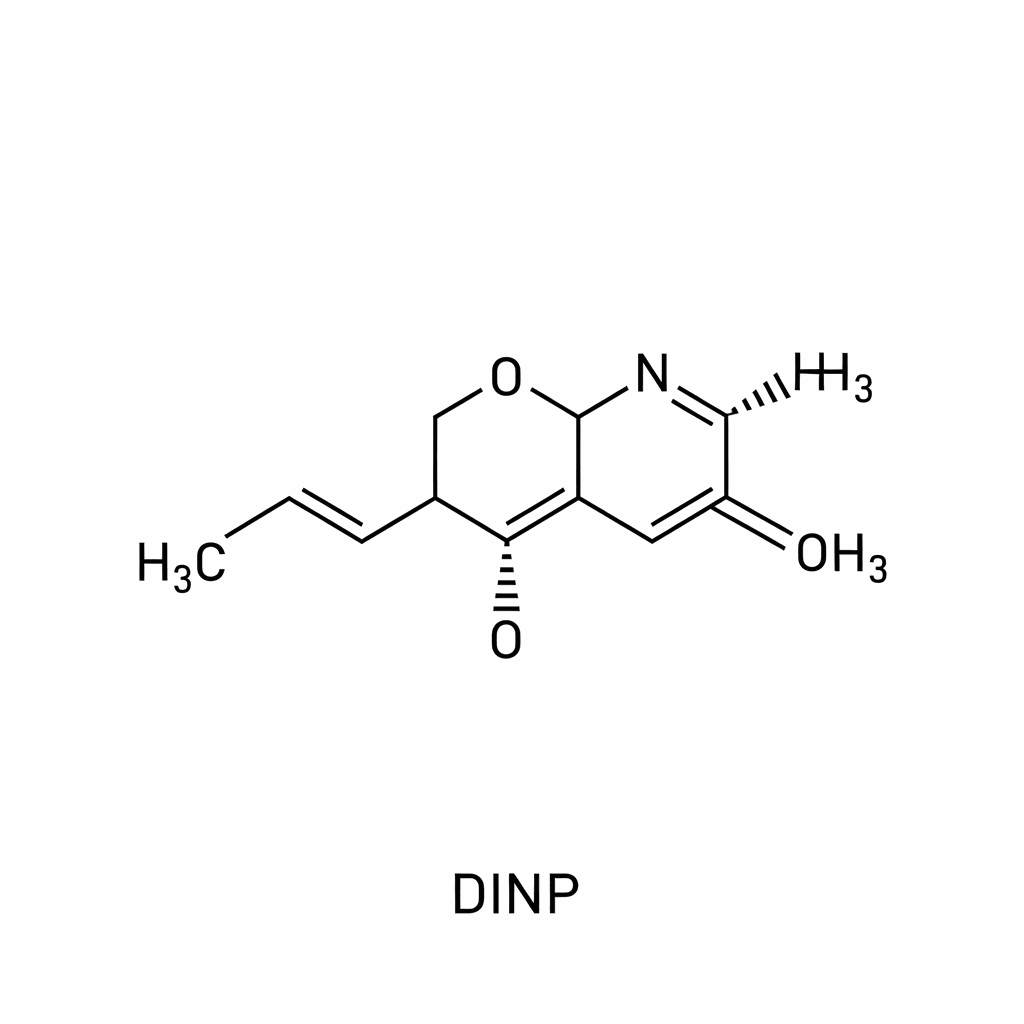
  • Molecular formula is C16H22O4 with a molecular weight of approximately 278.34 grams per mole, confirming its status as a medium-chain phthalate.
  • Possesses a density of 1.043 to 1.048 grams per cubic centimeter at 20 degrees Celsius, allowing for predictable volume-weight calculations in batching.
  • Boiling point is recorded at 340 degrees Celsius under standard atmospheric pressure, indicating low volatility and high thermal endurance during manufacturing.
  • Maintains a refractive index between 1.491 and 1.493 at 20 degrees Celsius, which is critical for optical clarity in plastic films.
  • Flash point of approximately 171 degrees Celsius (closed cup) necessitates specific safety protocols regarding fire prevention and localized ventilation in workspaces.

Download Technical Data Sheet (TDS)

Practical industry uses

Applications

  • Extensively used as a primary plasticizer in nitrocellulose lacquers to improve film flexibility and prevent cracking or peeling over time.
  • Serves as a vital component in the manufacturing of polyvinyl acetate adhesives, enhancing the bond strength and durability of wood glues.
  • Utilized in the production of specific printing inks to ensure proper flow characteristics and to prevent the ink from becoming brittle.
  • Employed in the formulation of solid rocket propellants as a burning rate modifier and fuel binder for aerospace and defense sectors.
  • Applied in the glass fiber industry as a coating agent to improve fiber handling and reduce friction during textile weaving processes.
Key Sectors

Target Industries

Discover more

Related products

Key Sectors

We’re Here to Support Your Chemical Sourcing Needs

Have a question or need a quote? Our team is here to help with product details, pricing, and global delivery options.

Send a message to us

Your email address will not be published. Required fields are marked *