Acetates & Esters, High-Purity Solvents

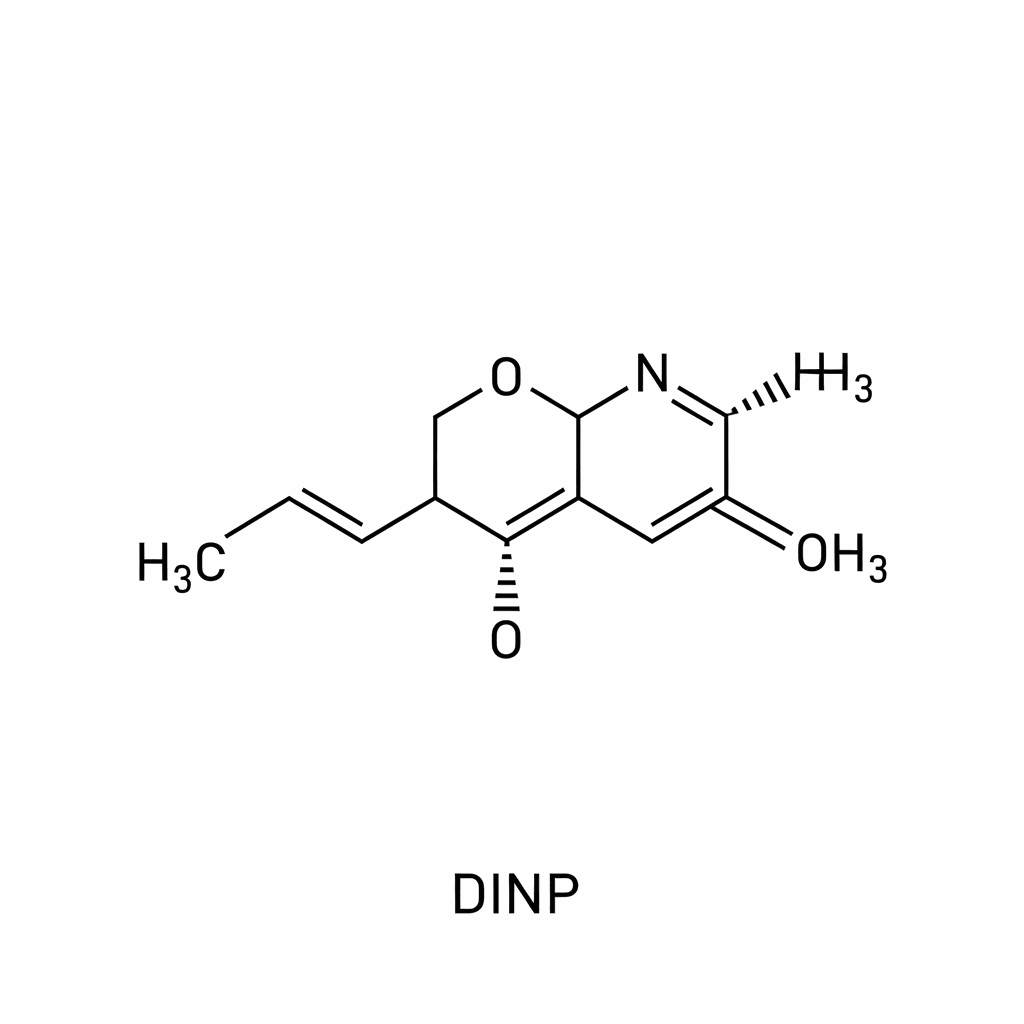
Diisononyl phthalate (DINP)

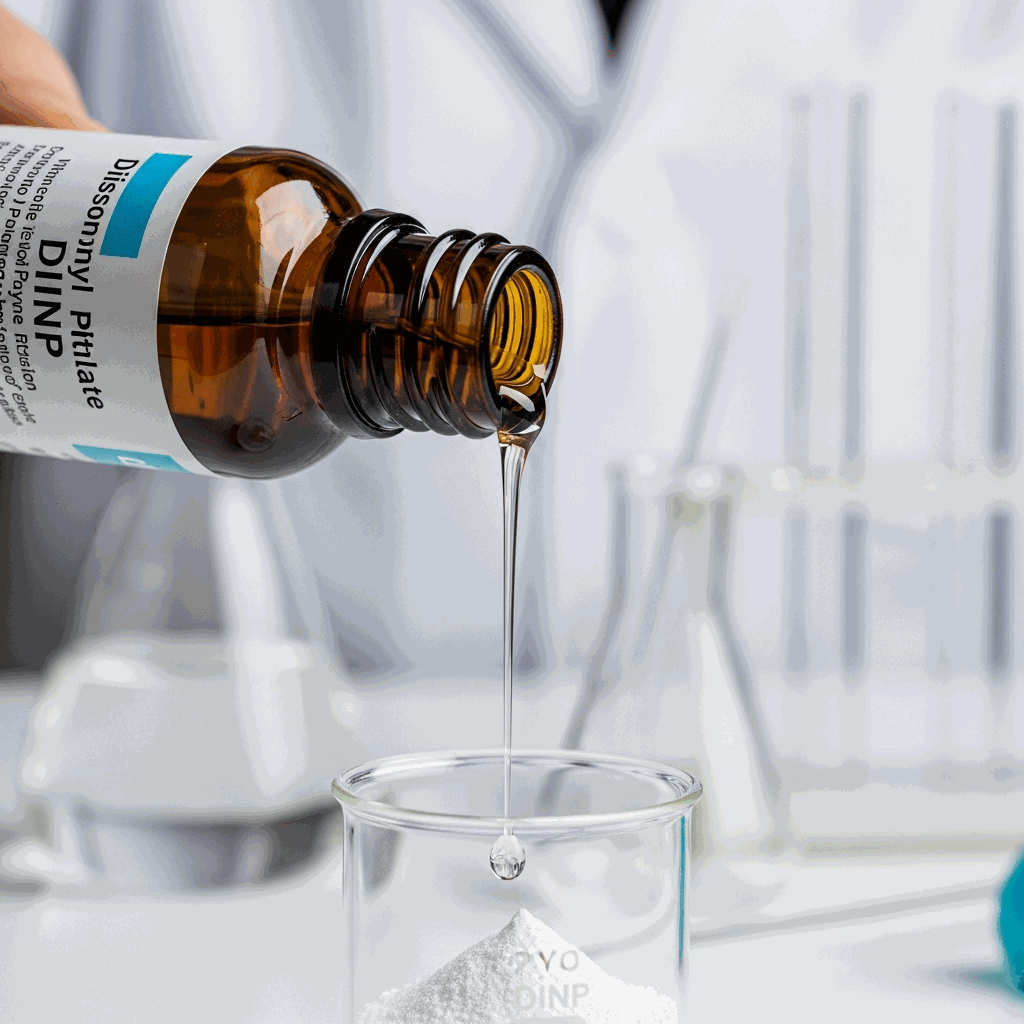
Diisononyl phthalate, commonly referred to as DINP, is a high molecular weight phthalate ester primarily utilized as a versatile plasticizer in polymer science. Characterized by its clear, colorless, and nearly odorless liquid state, DINP belongs to a class of organic compounds synthesized through the esterification of phthalic anhydride with isononyl alcohol. This chemical exhibits a remarkably low volatility profile and possesses high thermal stability, making it an ideal additive for enhancing the flexibility and durability of polyvinyl chloride resins. Unlike lower molecular weight phthalates, DINP offers superior resistance to extraction by soapy water and demonstrates excellent dielectric properties, which are critical for electrical insulation applications. From a chemical perspective, its branched alkyl chains contribute to its high compatibility with various polymer matrices, ensuring efficient processing during extrusion or injection molding. Consequently, DINP remains a fundamental component in industrial manufacturing, balancing performance characteristics with a well-documented safety profile for long-term usage.
Attributes

Key Features and Benefits

  • Superior Permanence: Exhibits exceptionally low volatility and migration rates compared to lower phthalates, ensuring long-term flexibility in end products.
  • Enhanced Weathering: Provides excellent resistance to ultraviolet radiation and oxidative degradation, extending the service life of outdoor plastic components.
  • Processing Efficiency: Acts as a high-efficiency plasticizer with a low viscosity-low shear rate profile, facilitating rapid fusion and smooth extrusion cycles.
  • Low Temperature Performance: Maintains polymer flexibility and prevents brittleness in cold environments, making it suitable for automotive and refrigeration applications.
  • Environmental Stability: Shows significant resistance to extraction by aqueous solutions and fats, ensuring the material integrity of flexible PVC coatings
Specifications

Technical Highlights

  • Chemical Formula and Molecular Weight: C26H42O4 with a molar mass of approximately 418.61 g/mol, characterized by its isomeric alkyl chains.
  • Density and Refractive Index: Displays a specific gravity ranging from 0.970 to 0.980 and a refractive index of approximately 1.485.
  • Boiling and Flash Point: Features a high boiling point above 250 degrees Celsius and a flash point exceeding 200 degrees Celsius for safety.
  • Solubility Profile: Practically insoluble in water (<0.001 mg/L) but highly soluble in common organic solvents like ethanol, ether, and acetone.
  • Viscosity Data: Exhibits a kinematic viscosity of 70 to 95 mPa.s at 20 degrees Celsius, crucial for liquid-state handling and mixing.

Download Technical Data Sheet (TDS)

Practical industry uses

Applications

  • Wire and Cable Insulation: Widely used in the electrical industry to produce flexible jacketing and insulation with high dielectric strength.
  • Automotive Components: Applied in the manufacturing of interior trims, door panels, and underbody coatings for improved durability and heat resistance.
  • Construction Materials: Essential for producing vinyl flooring, waterproof membranes, and weatherstripping profiles due to its excellent weathering properties.
  • Industrial Coatings: Utilized as a primary plasticizer in plastisols, sealants, and adhesives to enhance adhesion and flexibility across various substrates.
  • Consumer Goods: Found in footwear, luggage, and stationary products, providing the necessary softness and longevity required for everyday plastic items.
Key Sectors

Target Industries

Discover more

Related products

Key Sectors

We’re Here to Support Your Chemical Sourcing Needs

Have a question or need a quote? Our team is here to help with product details, pricing, and global delivery options.

Send a message to us

Your email address will not be published. Required fields are marked *