Propylene Glycol Monomethyl Ether Propionate (PMP)
Glycol Ethers, High-Purity Solvents

Propylene Glycol Monomethyl Ether Propionate (PMP)

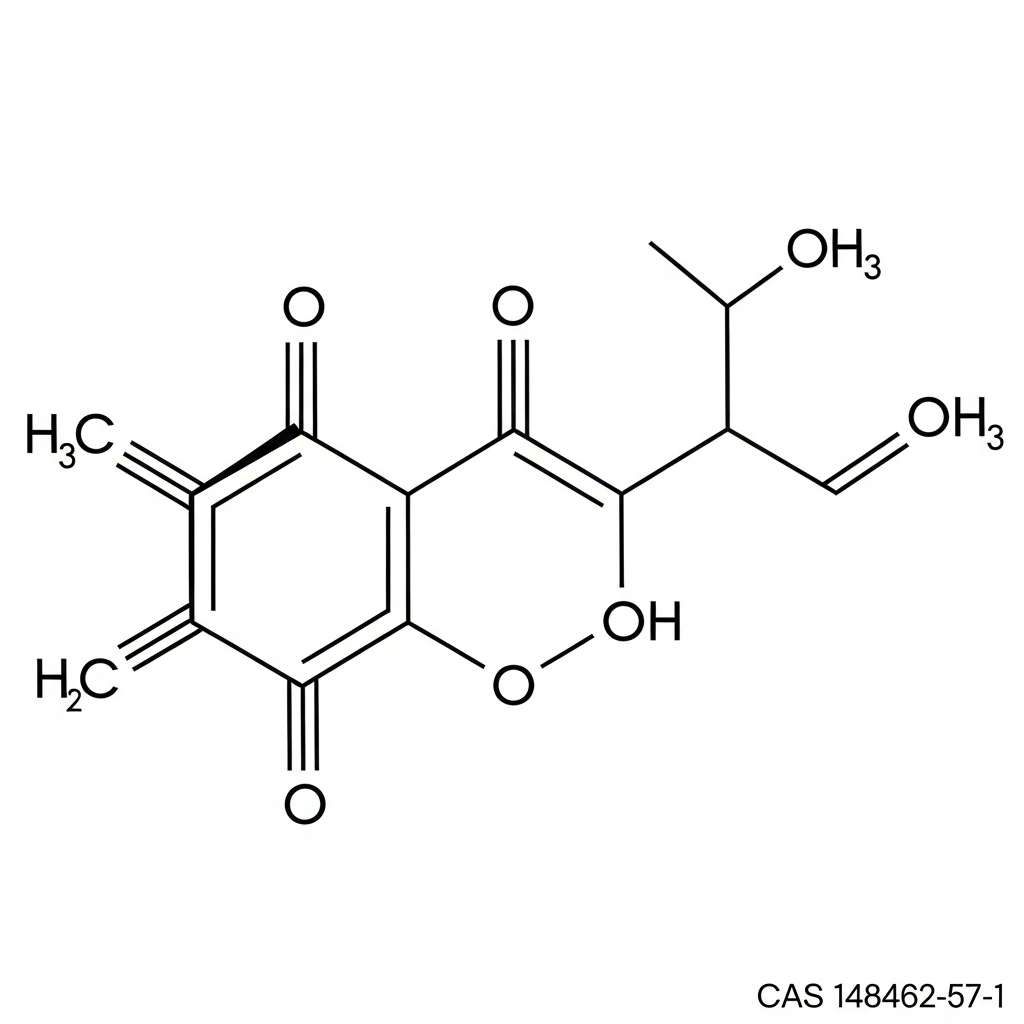
Propylene Glycol Monomethyl Ether Propionate (PMP), identified by CAS number 148462-57-1, is a high-performance, slow-evaporating ether-ester solvent. It is chemically characterized by the combination of an ether linkage and a propionate ester group on a propylene glycol backbone. PMP has gained significant traction in the chemical industry as a superior alternative to ethylene glycol-based solvents (E-series) and certain propylene glycol methyl ether acetates (PMA) due to its favorable toxicological profile and excellent solvency. As a “tailing solvent,” it plays a critical role in controlling the evaporation rate of coatings and inks, ensuring optimal film formation. Its molecular structure provides a unique balance of hydrophobicity and polarity, allowing it to dissolve a wide array of synthetic resins, including acrylics, epoxies, and polyurethanes. Furthermore, PMP is favored in high-tech industries, such as electronics and semiconductor manufacturing, where high purity and precise volatility are mandatory for photoresist applications.

Attributes

Key Features and Benefits

**Superior Solvency:** Exhibits a high capacity to dissolve a broad range of polymers, including nitrocellulose, cellulose acetate butyrate, and thermosetting acrylics.
**Controlled Volatility:** Its slow evaporation rate (approximately 0.2 vs. n-Butyl Acetate = 1) facilitates excellent flow and leveling, preventing surface defects like “orange peel.”
**Enhanced Safety Profile:** Offers lower toxicity and reduced systemic health risks compared to E-series glycol ethers, making it a safer choice for industrial workers.
**Environmental Compatibility:** Features high biodegradability and a lower vapor pressure, which assists in the formulation of low-VOC (Volatile Organic Compound) products.
**Low Surface Tension:** Improves the wetting of substrates and pigment dispersion, leading to higher gloss and color consistency in finishes.
**Mild Odor:** Unlike traditional ketones or acetates, PMP possesses a faint, non-pungent odor, improving the workplace environment.

Specifications

Technical Highlights

**Molecular Formula:** $C_7H_{14}O_3$ with a molecular weight of 146.18 g/mol.
**Boiling Point:** Typically ranges between 160°C and 165°C (320°F–329°F) at atmospheric pressure.
**Flash Point:** Approximately 60°C (140°F) via closed-cup methods, classifying it as a combustible liquid rather than highly flammable.
**Specific Gravity:** Roughly 0.950 at 20°C, ensuring easy integration into standard liquid handling systems.
**Hansen Solubility Parameters:** Demonstrates strong dispersion (15.5), polar (4.5), and hydrogen bonding (7.0) forces.
**Viscosity:** Low kinematic viscosity (approx. 1.1 cSt at 25°C), which aids in reducing the overall viscosity of high-solids resin systems.
**Miscibility:** Fully miscible with most organic solvents; limited solubility in water (approx. 5% at 20°C).

Download Technical Data Sheet (TDS)

Practical industry uses

Applications

• Electrical and electronics
• Connectors, switches, PCB housings, terminal blocks
• Automotive
• Under-hood components, interior assemblies, cable conduits
• Wire and cable
• Insulation layers, sheathing, jacketing materials
• Construction
• Plastic fittings, conduits, insulation panels
• Consumer appliances
• Enclosures, adapters, plugs, casings
• Industrial components
• Fiber-reinforced composites, flame-retardant masterbatches
• Compatible polymers
• PA6, PA66
• PBT, PET
• PE, PP
• Blends and copolymers requiring halogen-free flame retardancy

Key Sectors

Target Industries

Discover more

Related products

Key Sectors

We’re Here to Support Your Chemical Sourcing Needs

Have a question or need a quote? Our team is here to help with product details, pricing, and global delivery options.

Send a message to us

Your email address will not be published. Required fields are marked *