Acrylates, High-Purity Solvents

2-Hydroxypropyl Acrylate (2 – HPA)

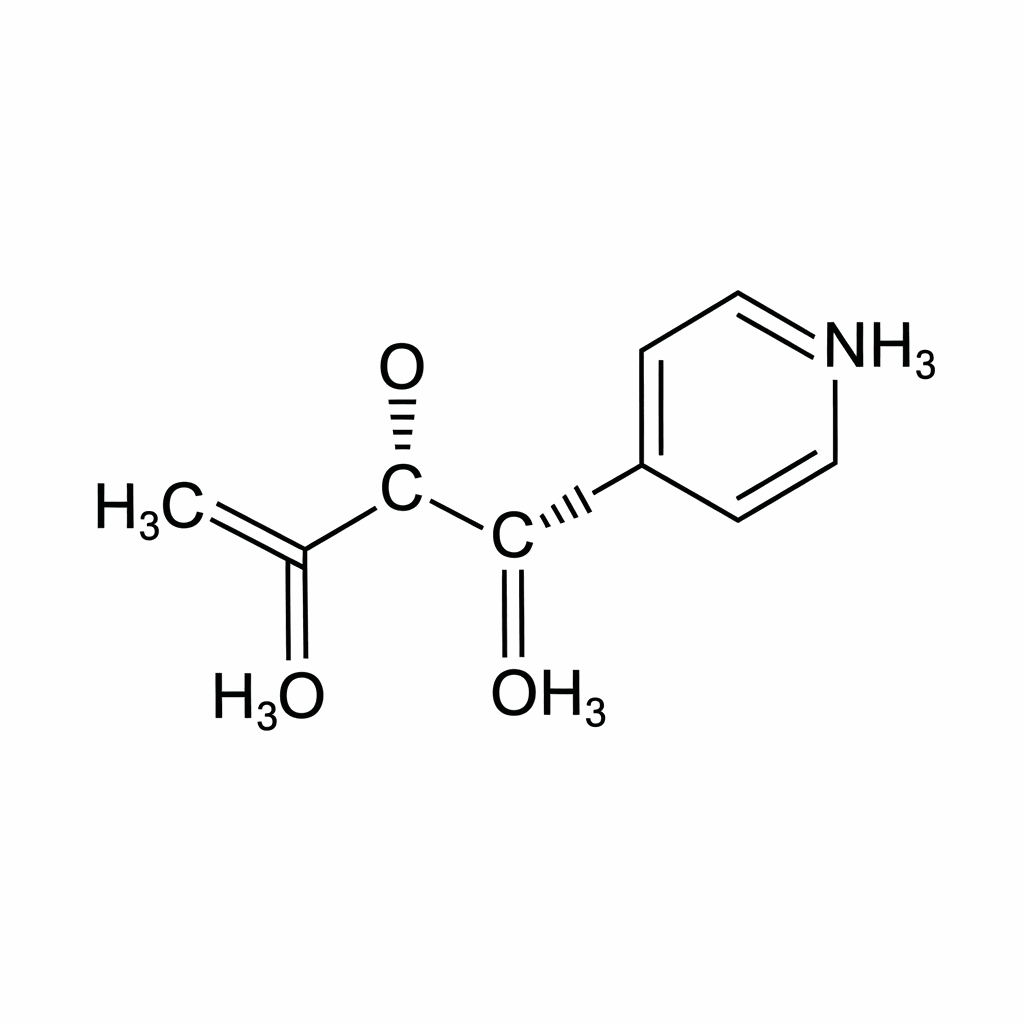
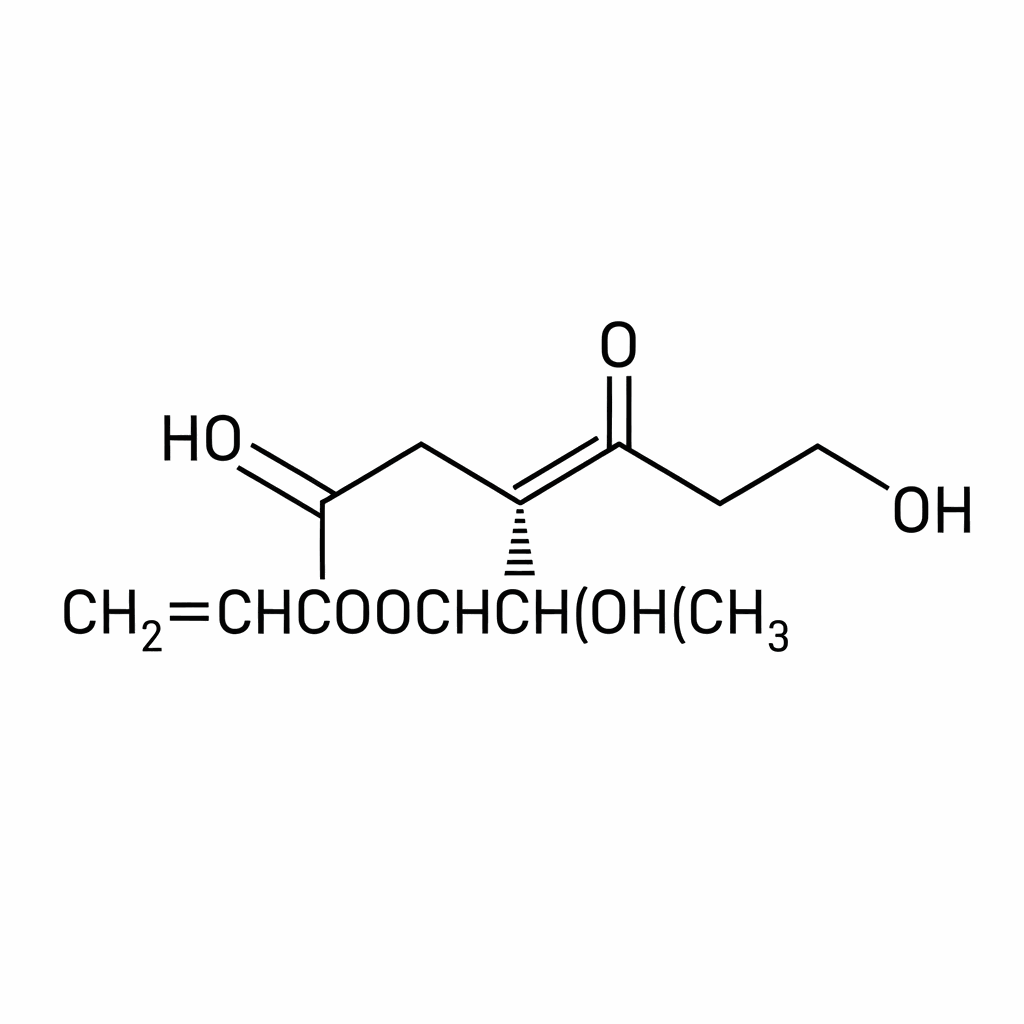
2-Hydroxypropyl Acrylate, commonly abbreviated as 2-HPA, is a versatile functional monomer characterized by its clear, colorless liquid form and distinct ester-like odor. Chemically represented by the formulas C6H10O3, it serves as a crucial building block in polymer chemistry due to its dual-reactivity. The molecule contains both a polymerizable acrylate double bond and a reactive secondary hydroxyl group. This unique structure allows 2-HPA to undergo free-radical polymerization while simultaneously providing sites for subsequent cross-linking or chemical modification with isocyanates, anhydrides, or epoxy resins. It exhibits excellent solubility in water and organic solvents, enhancing its utility across various formulation types. Its ability to improve adhesion, flexibility, and chemical resistance makes it indispensable in the production of high-performance coatings, adhesives, and thermosetting resins. Safety precautions are necessary during handling as it is a skin sensitizer and corrosive agent, requiring stabilized storage conditions to prevent premature polymerization under heat or light. Strict safety protocols.
Attributes

Key Features and Benefits

  • High Reactivity: The vinyl group ensures rapid polymerization during UV curing or thermal processes, facilitating efficient production cycles in industrial manufacturing.
  • Hydroxyl Functionality: Presence of a secondary hydroxyl group enables post-polymerization reactions, allowing for tailored cross-linking with various curing agents.
  • Enhanced Adhesion: Significantly improves bonding strength on polar substrates, including metals, glass, and certain plastics, essential for high-quality protective coatings.
  • Weather Resistance: Provides durability and resistance to UV degradation and moisture, ensuring long-lasting performance in outdoor applications and harsh environments.
  • Excellent Miscibility: Compatible with a wide range of acrylic monomers and solvents, offering flexibility in formulating complex copolymer systems.
Specifications

Technical Highlights

  • Chemical formula is C6H10O3 with a molecular weight of approximately 130.14 g/mol, ensuring consistent molar calculations for batch formulations.
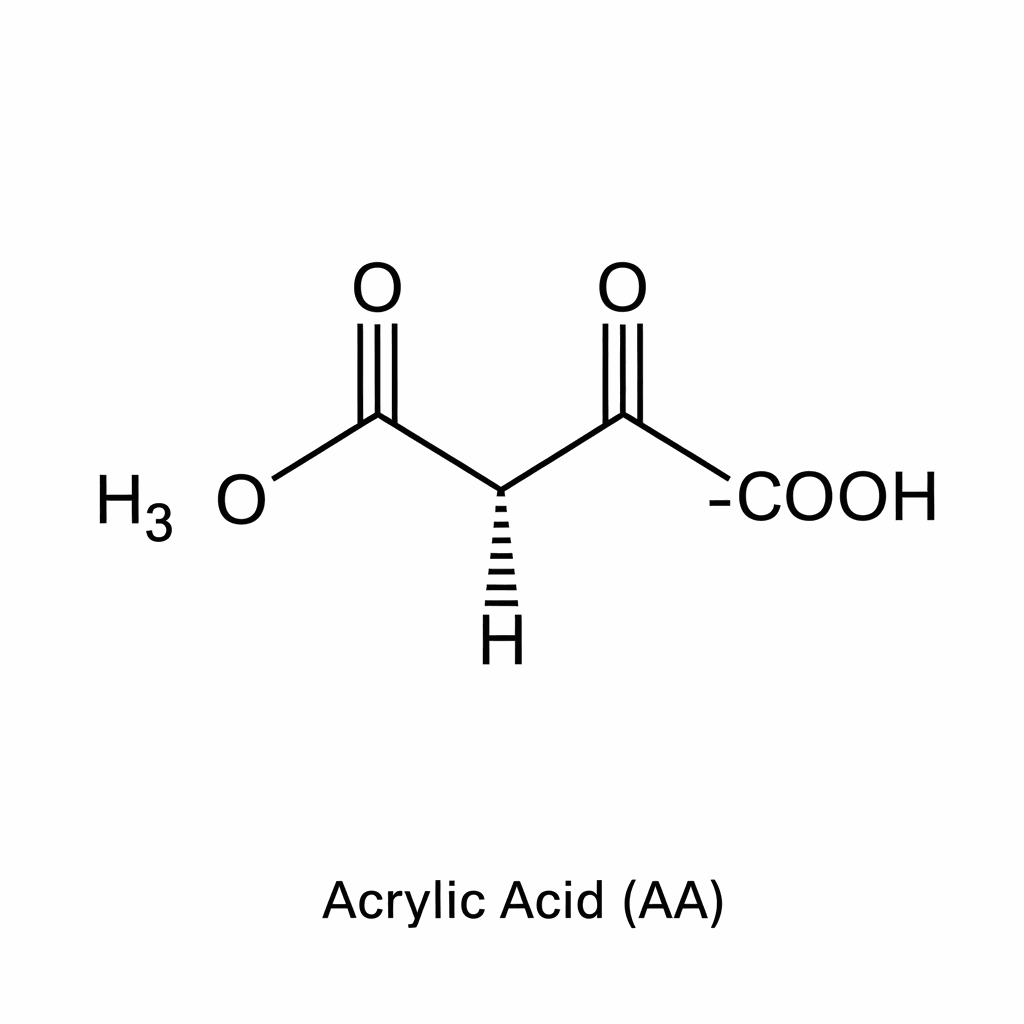
  • Typical purity levels exceed 97%, with low levels of acrylic acid and diacrylates to maintain controlled viscosity and polymerization rates.
  • Physical properties include a boiling point of 77 degrees Celsius at 5 mmHg and a flash point of 99 degrees Celsius.
  • Viscosity is approximately 5-10 mPa.s at 25 degrees Celsius, allowing for easy handling and efficient mixing in liquid resin systems.
  • Inhibitor levels, usually MEHQ (Hydroquinone Monomethyl Ether), are strictly regulated to prevent autopolymerization while ensuring shelf-life stability during transport.

Download Technical Data Sheet (TDS)

Practical industry uses

Applications

  • Automotive Coatings: Used in clear coats and topcoats to provide high gloss, scratch resistance, and robust weatherability for vehicle finishes.
  • Pressure Sensitive Adhesives: Incorporated into adhesive formulations to enhance shear strength and peel adhesion on challenging industrial surfaces and substrates.
  • UV-Curable Inks: Acts as a reactive diluent in printing inks, ensuring rapid curing speeds and improved pigment wetting for high-resolution graphics.
  • Textile Finishes: Employed in the treatment of fabrics to provide durability, wrinkle resistance, and improved dye uptake during the manufacturing process.
  • Thermosetting Resins: Serves as a key component in cross-linkable resin systems used for electronics encapsulation and structural composite materials.
Key Sectors

Target Industries

Discover more

Related products

Key Sectors

We’re Here to Support Your Chemical Sourcing Needs

Have a question or need a quote? Our team is here to help with product details, pricing, and global delivery options.

Send a message to us

Your email address will not be published. Required fields are marked *